Product Description
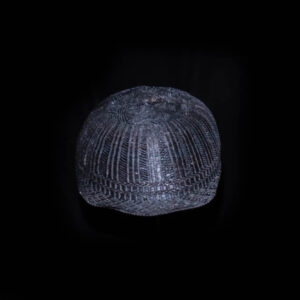
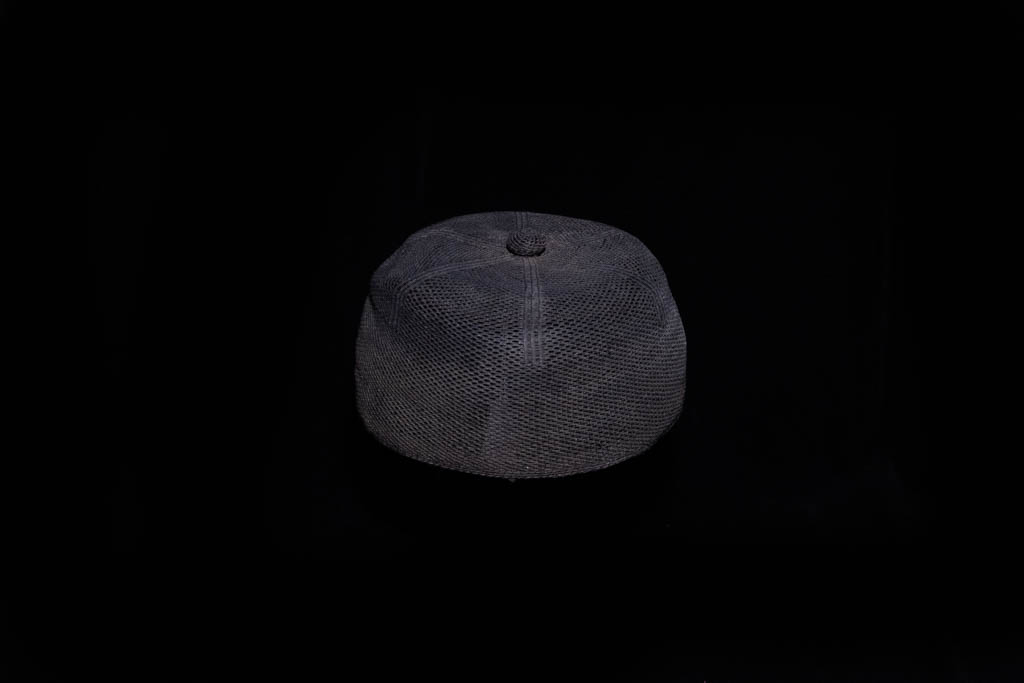
Antique Yao Priest’s Human Hair Hat 1
Material: Human hair
Style: Yunnan, China
Size: Height 8 cm, Diameter 16 cm
Order Number: MHSAYPHHH1
Many visitors to Northern Thailand will have seen Yao people. The women wear turbans and a flowing gown with a red woolly collar and hand embroidered trousers. They carry their youngest child on their backs in a decorated cloth babycarrier. The men wear indigo jackets with silver buttons.
They are scattered in many parts of South China, Vietnam, Thailand and Laos and practise slash and burn agriculture, producing mainly rice for themselves and maize for their poultry and pigs. They also grow opium.
The Yao are a very ancient minority. During the last 1,000 years they have migrated slowly from central China to the southern provinces and from there to north Vietnam, northern Thailand and northern Laos.
Reference to Yao was made first in a T’ang dynasty (618-906 AD) document – mo yao – meaning ‘not subject to compulsory service’. It probably indicates a settlement following a Yao rebellion. The mo was dropped during the Sung dynasty (960-1279 AD).
They broke up into several groups and sub-groups. They speak four main languages. The largest segment, about two-thirds of the Yao population, are the Mien and Mun language speakers.
They practise the Taoist religion. For their ceremonies the priests require a number of ritual objects, which are considered sacred and made by highly qualified people.
The high priests, the Masters of the Tao, also need certain clothes, tunic, cotton belt, skirt, trousers, leggings and a hat. The hat is normally woven from human hair in patterns.
The hats are time consuming and difficult to make. Hair strands are twisted together into thicker ones, dyed dark brown, and then woven into patterns. The flat piece is then cut to size and sewn into the required shape. Human hair is resilient and shows little wear and tear after many years use.
Early – mid 20th century.
There are examples in The Yao, The Mien and Mun Yao in China, Vietnam, Laos and Thailand, Jess G. Pourret, River Books, 2002, page 198.
Please ask for the price (or make an offer).