Antique Beads
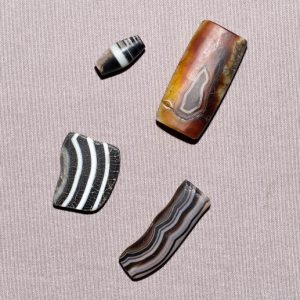
Beads are tiny, beautiful works of art made from a solid material, such as terracotta, wood-resin, ceramic, silver, gold, glass, wood, precious and semi-precious stones (such as banded agate, carnelian amethyst, rock crystal and onyx), shell, bone, seeds, pearl or coral.
They are probably Man’s first work of art and are found in archeological excavations, usually near religious sites, settlements and graves. The earliest bead making centres were in Mesopotamia and Egypt. By 6500 BC they were heavily traded in the Mediterranean and the Arabian Peninsula, Persia and Pakistan. East
Java has many megalithic stone graves with large amounts of beads, some monochrome and some polychrome with various designs and great artistic value, including mutisalah and eye, sunbursts, stripes and mosaic beads. Dealers called them Majapahit beads, looking for a popular label, but they were never found in Majapahit sites from 1300 AD to 1500 AD, and are much older, probably earlier than 900 AD, and could have been 300 AD.
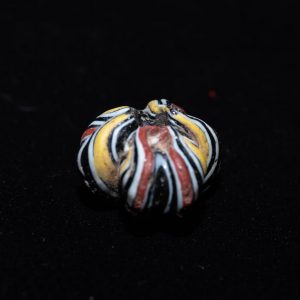
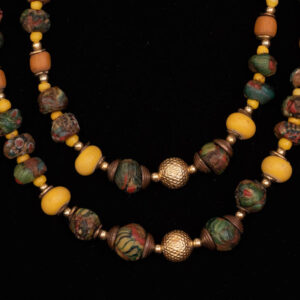
The mosaic beads are also called rainbow (pelangi) beads and are very beautiful. They tend to have 2 or 4 colour combinations, usually blue and white or blue, white, red and yellow, although the blue in the 4 colours may be changed to dark green, dark blue or brown. They tend to be between 2 and 3.5 cm long.
Eyes, sunbursts and stripes can be all in one bead. They come in combinations of 2, 3 and 4 colours: blue, yellow, white, red, green and very dark green. The most common are blackish green and white and in green and yellow. The largest, about 5 cm long, are green and yellow. Some large beads have white flowers around the opening. In Indonesia eye beads seem to be restricted to East Java and could have been trade items.
They have been found in sites in Bali, Java and Sumatra dating back to before 400 AD. Statues have been found wearing them. Stone reliefs in the Buddhist temple of Borobudur in East Java show women wearing bead necklaces as adornment.
It is often hard to date them and trace where they are from. Collar beads were found in Gillimanuk in West Bali (100 BC – 100 AD) and are thought to be from Arikamedu in South India, where there was active bead production. Carnelian and small red brown Indo-Pacific mutisalah type beads were also found at Gillimanuk. Beads from about 200 AD from Egypt, India, China, and West Asia have been found in Indonesia.
Palembang in south Sumatra was the centre of a large bead making site from the 7th century until probably the 13th century, during the powerful Buddhist kingdom of Sriwijaya, which had close ties with China and India.
Small orange beads called mutisalah were highly valued and reserved for chieftains. They were made in India from 250 BC and other Southeast Asia countries until 1200 AD and have been found in Palembang, Sumatra, the Philippines, Vietnam and Malaysia.
Eye beads were probably first made from semi-precious stones in the Eastern Mediterranean countries from 3000 BC. They were treasured because of a belief in the evil eye. Even today some Muslims in West Asia wear them from birth as protective amulets.
Sometimes beads were altered. In East Java large green eye beads were given a yellow coating. In Kalimantan 16th century Chinese monochrome beads were changed into eye beads.
Showing 1–20 of 44 results
-
Agate Beads
Read More -
Antique Afghanistan Bead
Read More -
Antique Amber Bead Necklace
Read More -
Antique Bead Necklace 1
Read More -
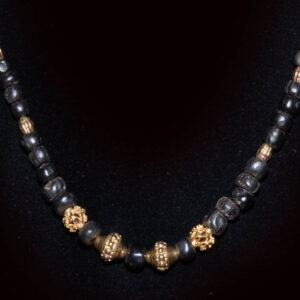
Antique Bead Necklace 10
Read More -
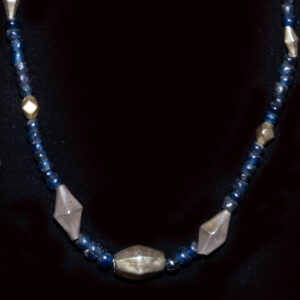
Antique Bead Necklace 11
Read More -
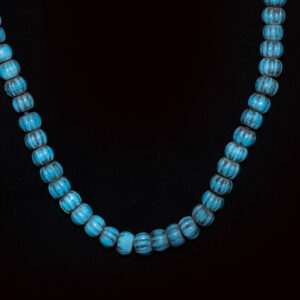
Antique Bead Necklace 12
Read More -
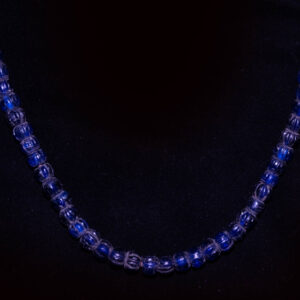
Antique Bead Necklace 13
Read More -
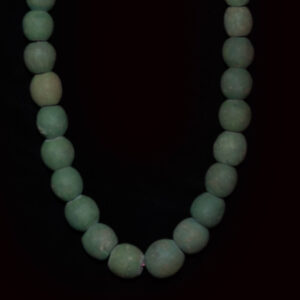
Antique Bead Necklace 14
Read More -
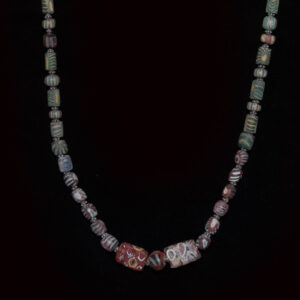
Antique Bead Necklace 15
Read More -
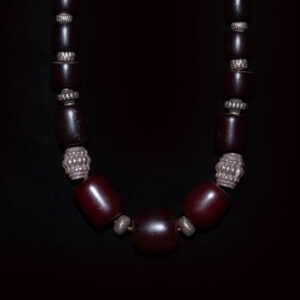
Antique Bead Necklace 16
Read More -
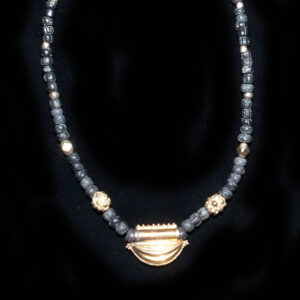
Antique Bead Necklace 17
Read More -
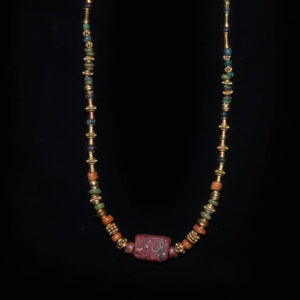
Antique Bead Necklace 18
Read More -
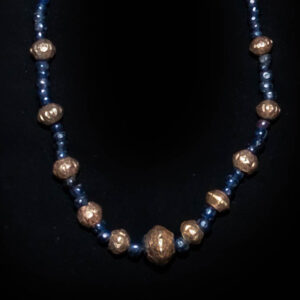
Antique Bead Necklace 19
Read More -
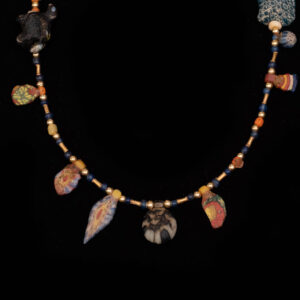
Antique Bead Necklace 2
Read More -
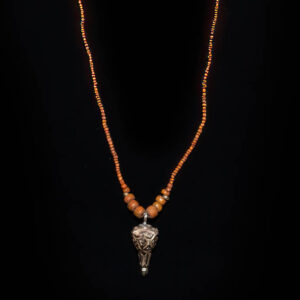
Antique Bead Necklace 20
Read More -
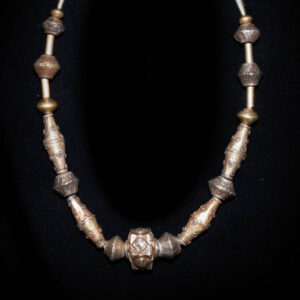
Antique Bead Necklace 21
Read More -
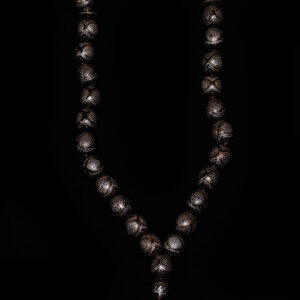
Antique Bead Necklace 3
Read More -
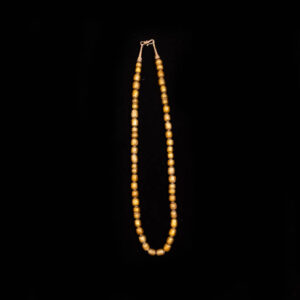
Antique Bead Necklace 4
Read More -
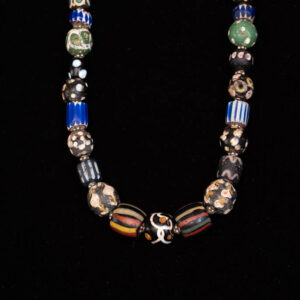
Antique Bead Necklace 5
Read More