Product Description
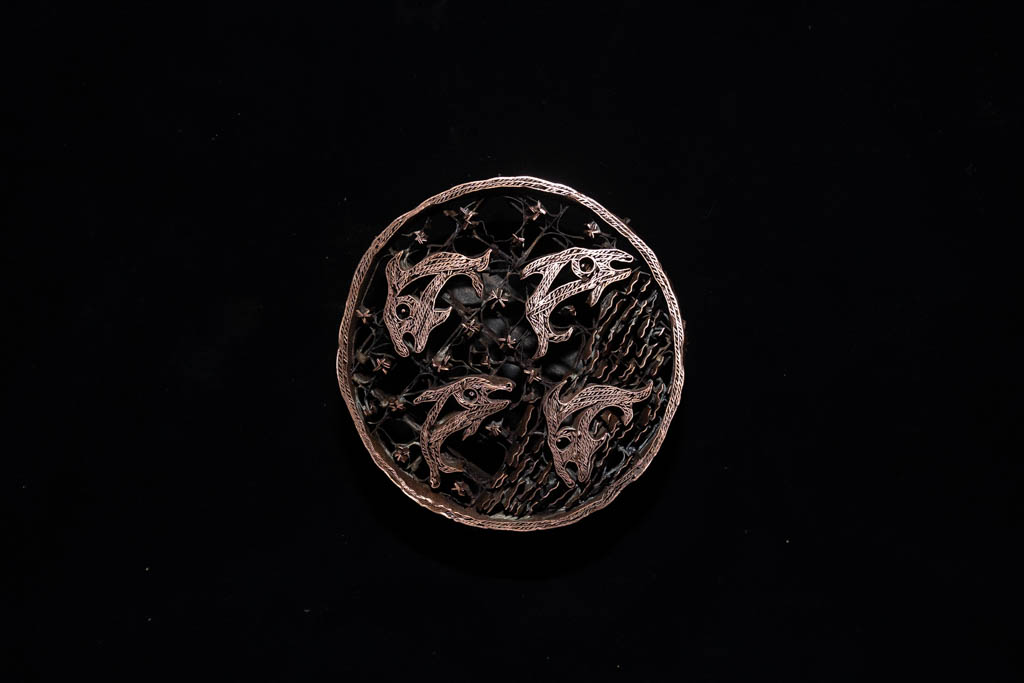
Antique Batik Stamp 66
Material: Copper
Style: Java, Indonesia
Size: Diameter 13.5 cm
Order Number: MHSABS66
From our book From Tattoos to Textiles, Murni’s Guide to Asian Textiles, All You Need to Know … And More
Batik Stamp
The batik makers had another problem: competition. In the 1830s inexpensive machine-printed batiks were beginning to flood the market from Europe. It was cheap and quick. To meet the challenge the batik makers in Java experimented with stamps to apply the wax instead of the canting. Initially they tried stamps made from tubers, but they didn’t last long, then wood, but they weren’t fine enough.
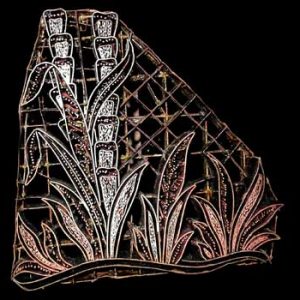
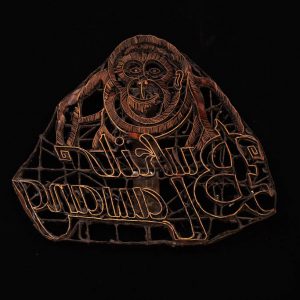
Finally, in about 1845 they invented the cap, made of red copper, which is still used today, and they are collected as works of art in their own right. The pattern is formed from thin metal bands, secured to a frame, to which a handle is attached. The structure was inspired by European wood-block printing stamps.
A good eye is needed to ensure that the impressions of the stamp are properly aligned.
The cap process was revolutionary and enabled a batik maker to wax many cloths a day – maybe up to eight. Speeding up the process made the textiles cheaper. It probably saved the batik industry in the face of increasing competition from imports of cheap European imitation batik. The Dutch and Swiss had set up factories in Europe producing a huge amount of machine-printed batik-patterned fabrics using (before the American Civil War of 1861) imported American cotton. Javanese batik was now set to go commercial.
A good eye is needed to ensure that the impressions of the stamp are properly aligned. It is hard and unhealthy work. Men do batik stamping, perhaps because metal is associated with men’s work. The batik maker presses the cap on to a pad in a round, flat-bottomed basin containing warm wax on a small stove and absorbs it. He then applies the stamp on the cloth at exactly the right temperature to leave an even wax imprint and repeats the process until all the cloth is covered. The caps are applied in pairs – one for each side of the material. He may use several cap. Depending on the pattern, a canting may also be required for certain parts, such as filling in the outline made by the cap. Where both stamp and canting are used, the batik is called combinasi. After the fabric has been stamped, the dyeing and waxing process is the same as for the canting.
Early – mid 20th century.
Please ask for the price (or make an offer)