Product Description
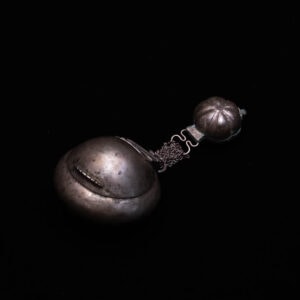
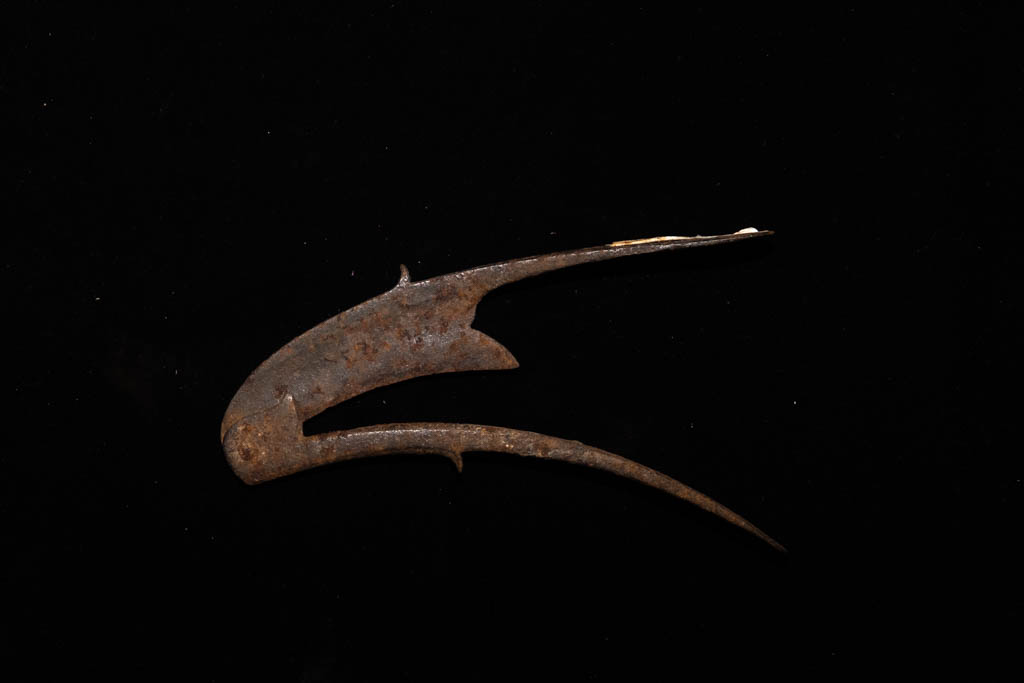
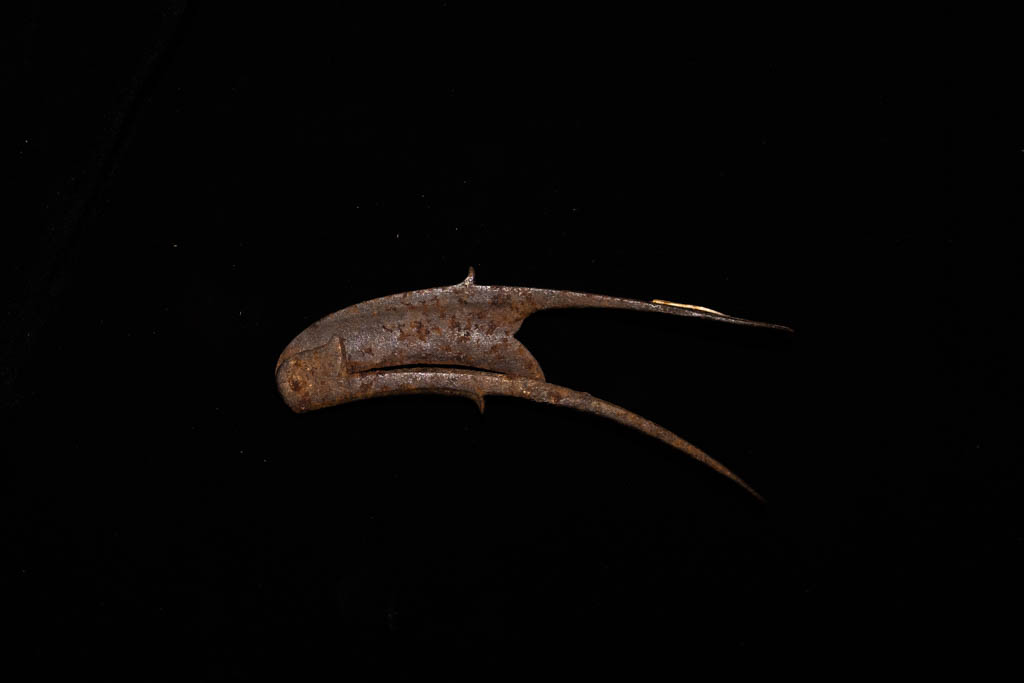
Antique Burmese Betel Cutter 1
Material: Iron
Style: Burma
Size: Height 4.5 cm (closed), Length 14
Order Number: MHSABBC1
The areca nut is one of the ingredients of the betel quid. The basic ingredients are betel leaf, areca nut and lime powder. Gambir and tobacco may be added to make it more fragrant. The hard nut is sliced into small pieces with a hinged cutter (caket). It is used like a small guillotine or a single bladed pair of scissors – with a vertical movement. There are 2 arms, one with an iron blade, and the other with a flat surface against which the blade falls. The rest may be brass or another kind of metal.
There are 2 examples of cutters in Anuradhapura, the old capital of Sri Lanka, which was destroyed in 993 AD by the Cholas. The earliest written reference is in the Indian Basayapurana of Bhima-Khavi of 1369.
They were prestige implements, like the rest of the betel set, and commissioned by aristocrats and rich merchants. There are a multiplicity of designs. Brass and iron require different techniques and craftsmen. Being small, they travelled all over the region. Most are very elegant.
By the 12th century Indian metalworkers were in Bali and Java and impressive craftsmanship was applied to the cutters. In Indonesia, Thailand and Malaysia cutters are made of iron, which may be decorated with other metals.
There are animal motifs – usually horses, peacocks and dragons in iron, with incised mounts, sometimes in gold and silver. They typically have fins and crests with incised designs, inlaid with silver, gold or brass. The horse was probably introduced by Chinese metalworkers during the Bronze Age. The arched heads are similar to T’ang horses.
There are also stags and mythological animals. Mythical dragon birds are peculiar to Thailand. In Southeast Asia there are wayang figures from the puppet theatre, such as Arjuna and the comic Wak Long. Bali has birds and realistic roosters. In India and Sri Lanka there are parrot heads with gold mounts set with rubies. Some are abstract designs.
19th century – early 20th century.
Please ask for the price (or make an offer).