Product Description
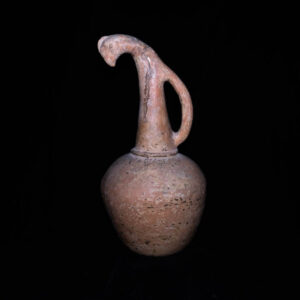
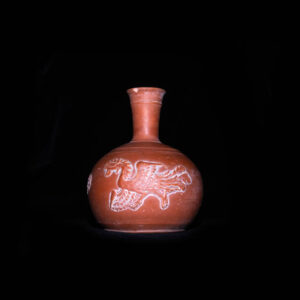
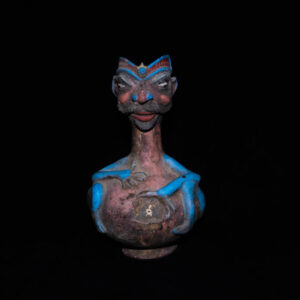
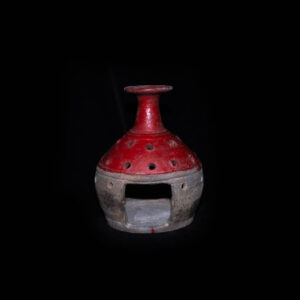
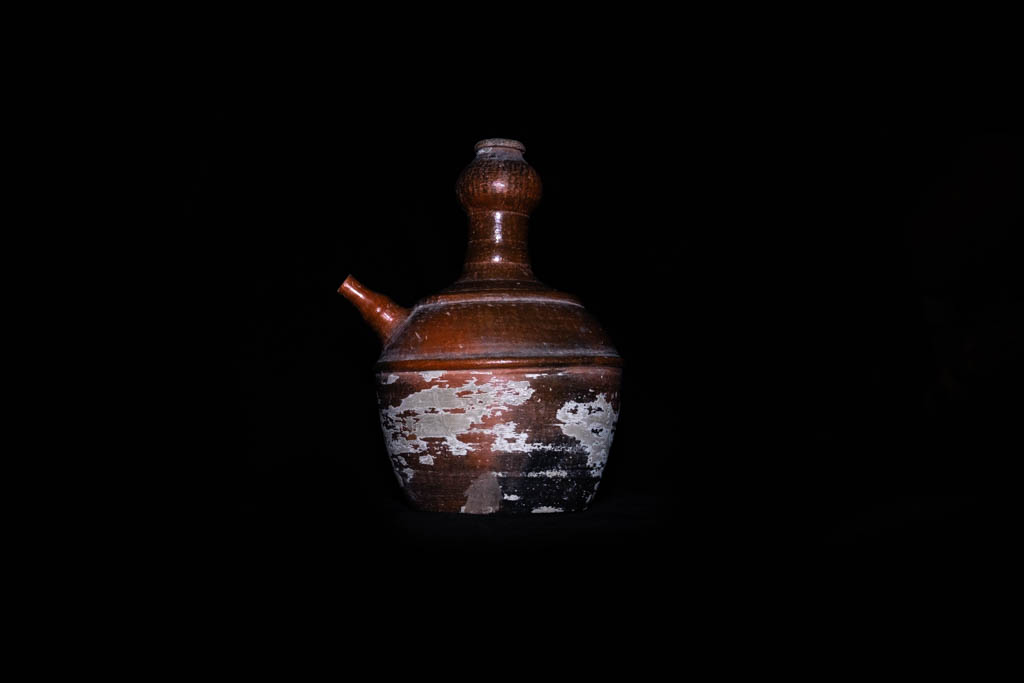
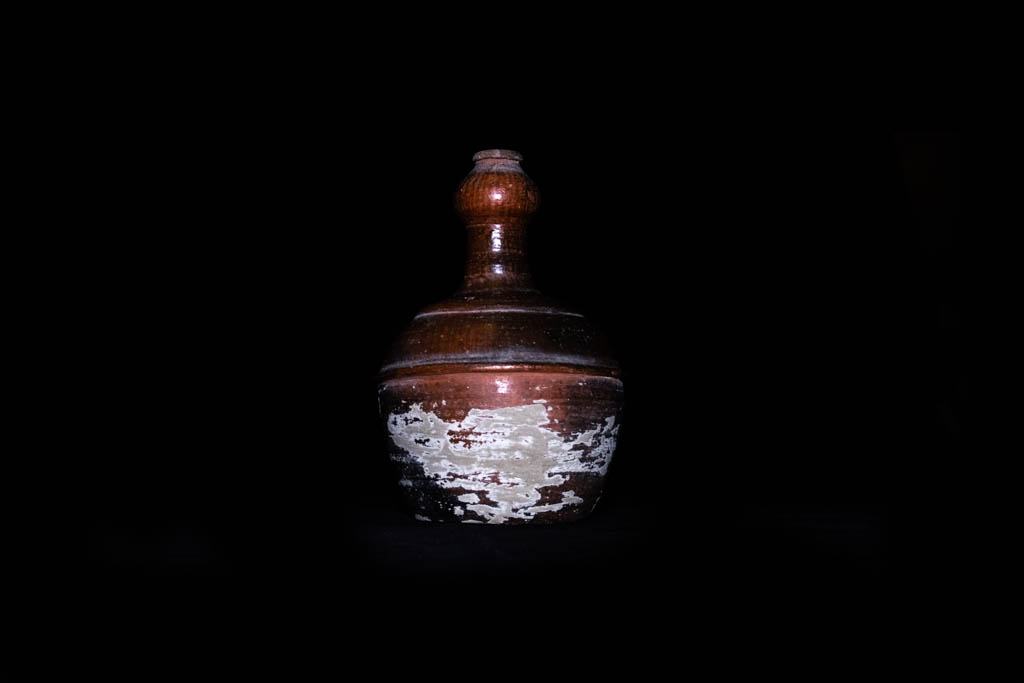
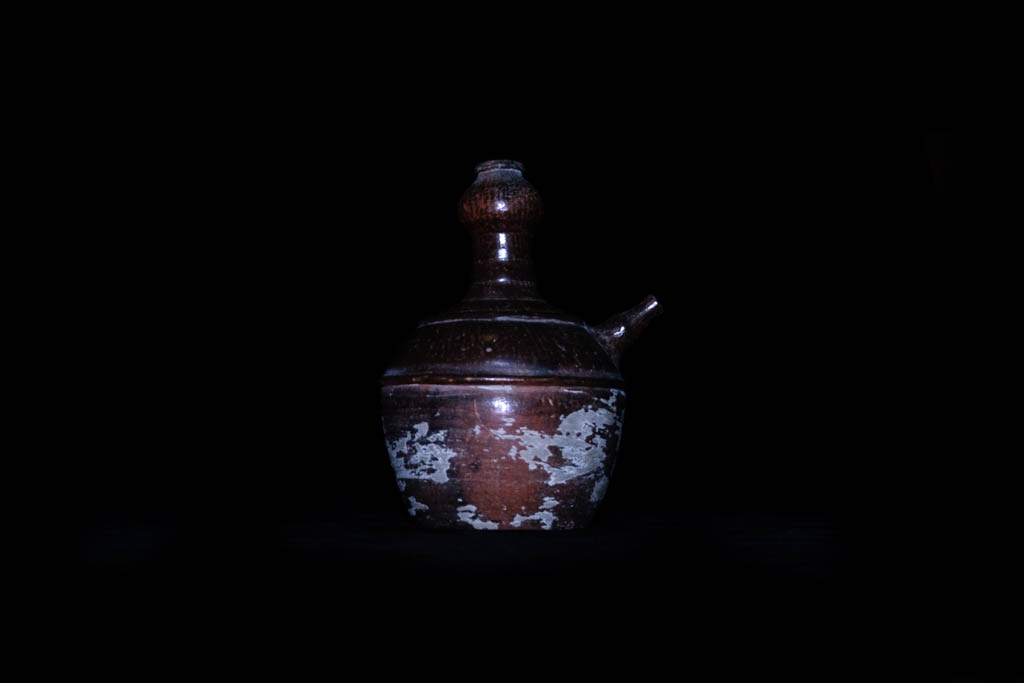
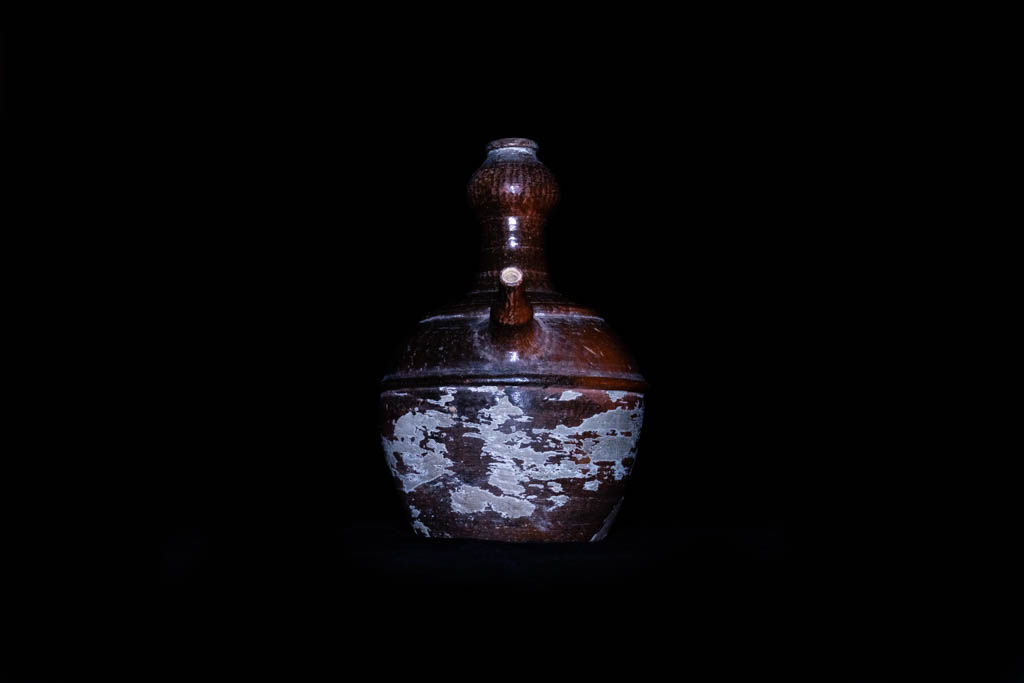
Antique Sumatran Water Jar (Kendi) 1
Material: Terracotta
Style: Sumatra, Indonesia
Size: Height 26 cm, Diameter 12 cm (base)
Order Number: MHSASWJ1
This drinking water vessel or kendi was made in south Sumatra, probably in Lampung.
It is made of terracotta. Such items were used locally or exported to other countries in Southeast Asia, frequently to Malaysia. It was used to hold drinking water.
Kendi and its predecessor, the kundika, are found in sculptures and paintings as an attribute in a hand of the Hindu gods Brahma and Shiva, Maitreya the future Buddha and the compassionate Avalokitesvara (in Mahayana Buddhism).
During a king’s coronation ceremony he used it to pour holy water, which had been collected from sacred rivers and blessed by the gods, over himself, as a symbol of purification.
Kendi, with their two openings, a mouth and a spout on the shoulder, and no handle, are very highly valued in Southeast Asia. They have a round body, tall neck and a flat base. The two openings means you can both pour and drink from it. The kendi is filled from the mouth and the liquid poured out from the spout. You hold the kendi above your head, so that the water pours down in an arc into your mouth, your lips never touching the spout.
In Java kendis have been known since Hindu-Buddhist times, 2,000 years ago, when monks brought such vessels from India for use in the temples. It is seen carved in relief on the walls of Borobudur, the 9th century Mahayana Buddhist temple in central Java. The Buddha sits cross-legged with a kundika on his left side. There is also a carved one in the Bayon temple, Angkor, Cambodia, late 12th – early 13th century.
In the 12th and 13th centuries Chinese potters began to make them in stoneware for export to Southeast Asia. Many have been found in the Philippines and Indonesia. The shape has not changed much over the last 1,000 years.
Excavations at Trowulan in Java, the centre of the powerful Majapahit Kingdom (1293 – 1520), show a locally produced kendi. Also at the same site is the forerunner of the mammary spout of the 16th century kendi in the shape of the female breast symbolising fertility.
The Thais and Vietnamese started exporting them as China lessened. Many Thai and Vietnamese examples have been excavated from 15th and 16th century burial sites in the Philippines and Indonesia.
In Indonesia they were family heirlooms passed down from generation to generation and sometimes went to the grave with their owner. In South Sumatra they are placed in the rafters of a new house with offerings of flowers and fruit to encourage the spirits to bring good luck.
The unglazed version could be made economically from local materials, meeting the daily needs of ordinary people. They have good cooling properties and can easily be carried from village to village or by boat. Unglazed kendi are semi-porous so water can seep through the porous earthenware sides and evaporate, cooling the temperature of the water inside.
Glazed pottery was not made much in Southeast Asia because it was easily imported from southern China.
The terracotta can crumble because it is fired at low temperatures, yet the condition of this one is very good. It has a good patina consistent with its age.
Late 19th – early 20th century.
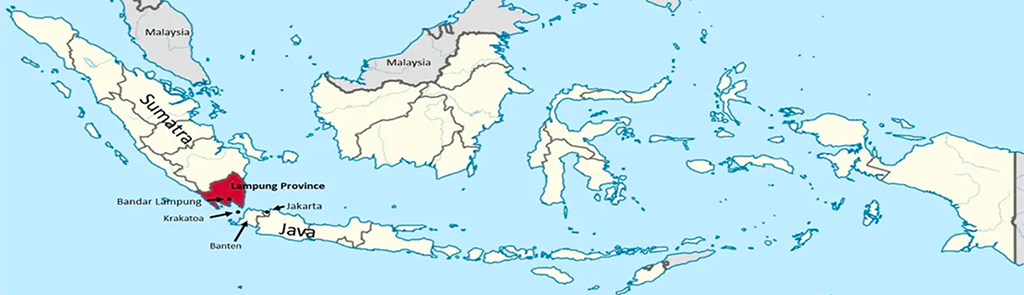 Map of Lampung, Sumatra.
Please ask for the price (or make an offer).