Product Description
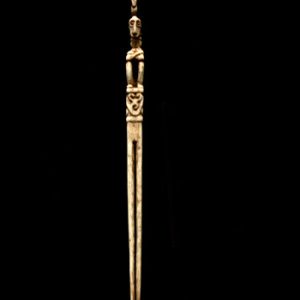
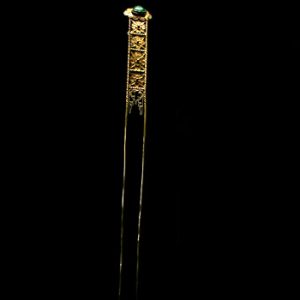
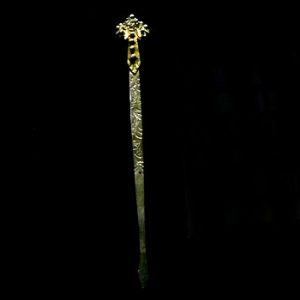
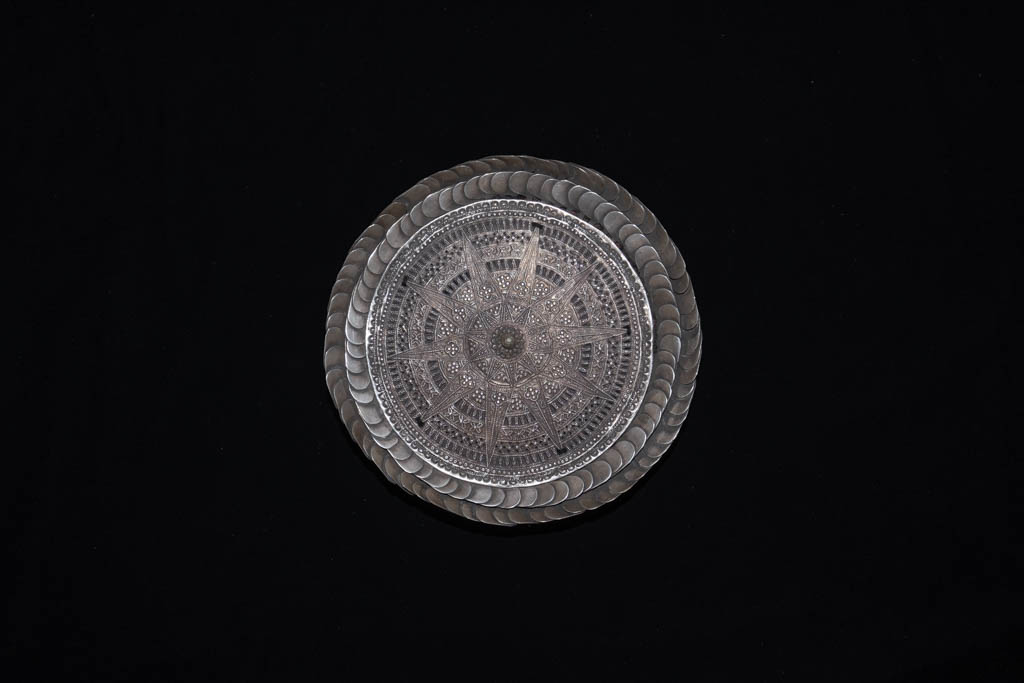
Antique Yao Celestial Crown
Material: Silver
Style: China or North Laos
Size: Diameter 17 cm
Order Number: MHSACH1
Kim Mun Lantien Sha (Yao people), silver celestial crown from Mengla, Yunnan and/or Luang Nam Tha areas, North Laos.
Many visitors to Northern Thailand will have seen Yao people. The women wear turbans and a flowing gown with a red woolly collar and hand embroidered trousers. They carry their youngest child on their backs in a decorated cloth babycarrier. The men wear indigo jackets with silver buttons.
They are scattered in many parts of South China, Vietnam, Thailand and Laos and practise slash and burn agriculture, producing mainly rice for themselves and maize for their poultry and pigs. They also grow opium.
The Yao are a very ancient minority. During the last 1,000 years they have migrated slowly from central China to the southern provinces and from there to north Vietnam, northern Thailand and northern Laos.
Reference to Yao was made first in a T’ang dynasty (618-906 AD) document – mo yao – meaning ‘not subject to compulsory service’. It probably indicates a settlement following a Yao rebellion. The mo was dropped during the Sung dynasty (960-1279 AD).
They broke up into several groups and sub-groups. They speak four main languages. The largest segment, about two-thirds of the Yao population, are the Mien and Mun language speakers.
The Yao have a close affinity with silver and it unifies all the Yao groups. They wear it every day and believe it keeps their souls within their bodies. A good part of their savings was invested in silver and passed down the generations. They did not use gold.
Old Yao silver displays excellent workmanship. Yao silversmiths are often priests, who use basic tools. They get their silver by buying it and melting down silver ingots, old silver chains and silver coins. Symbols, such as multi-pointed stars, are deployed, whose meanings have been forgotten.
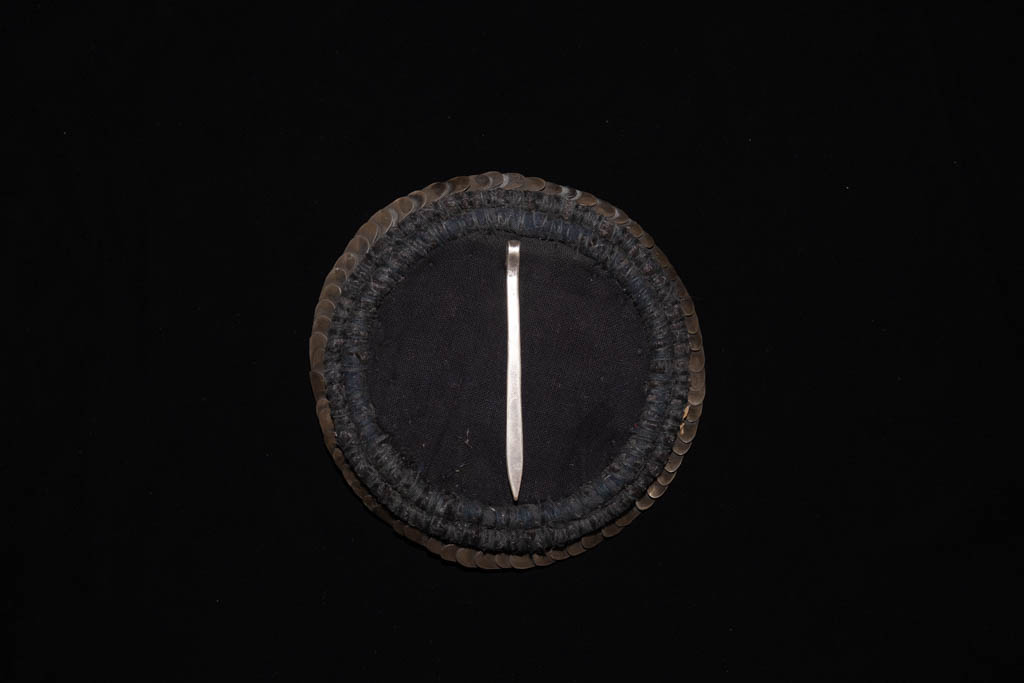
This piece is called a celestial crown. It made by girls around the time of puberty and they are entitled to wear it after an initiation ceremony. It displays their identity and shows who they are. The centre part consists of a slightly domed silver disc, hammered in low relief to produce a highly chased 10-point star, surrounded by a low relief chiselled design. A large pin is fixed underneath to secure it.
Celestial crowns were worn in a variety of ceremonies including marriages and were used to cover-up the long, coiled hair of the wearer.
The Mun wear celestial crowns. The Mien never do. The Mun and their sub-groups wear it on a daily basis and at ceremonies, such as a wedding.
19th – early 20th century.
There are examples in The Yao, The Mien and Mun Yao in China, Vietnam, Laos and Thailand, Jess G. Pourret, River Books, 2002, pages 144, 164 and 165.
Please ask for the price (or make an offer).