Product Description
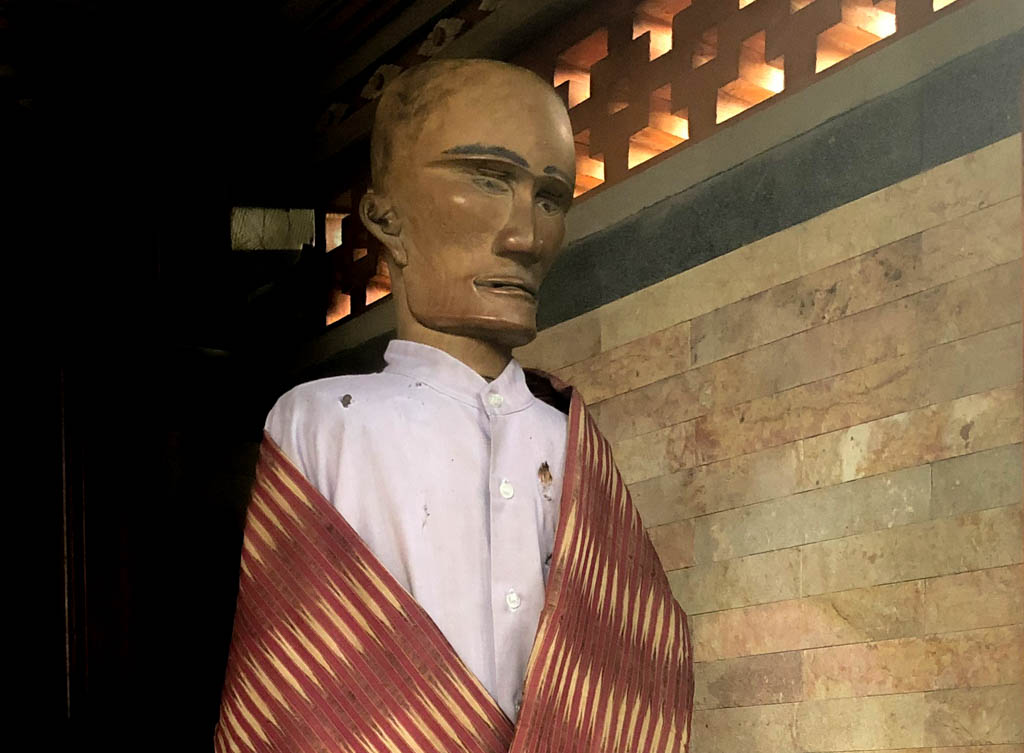
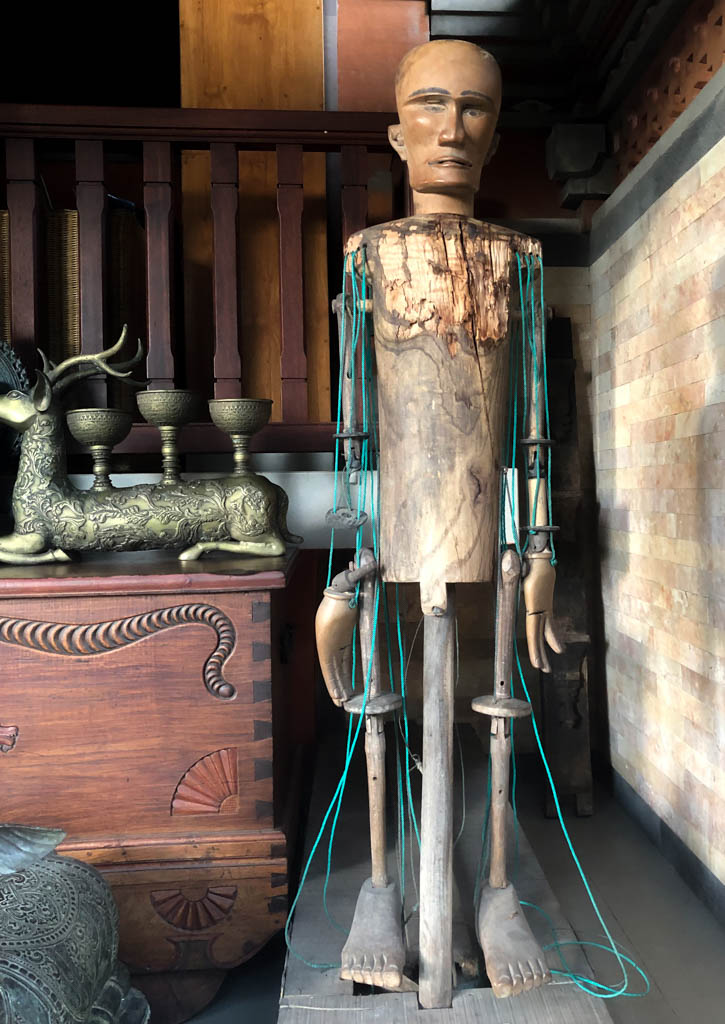
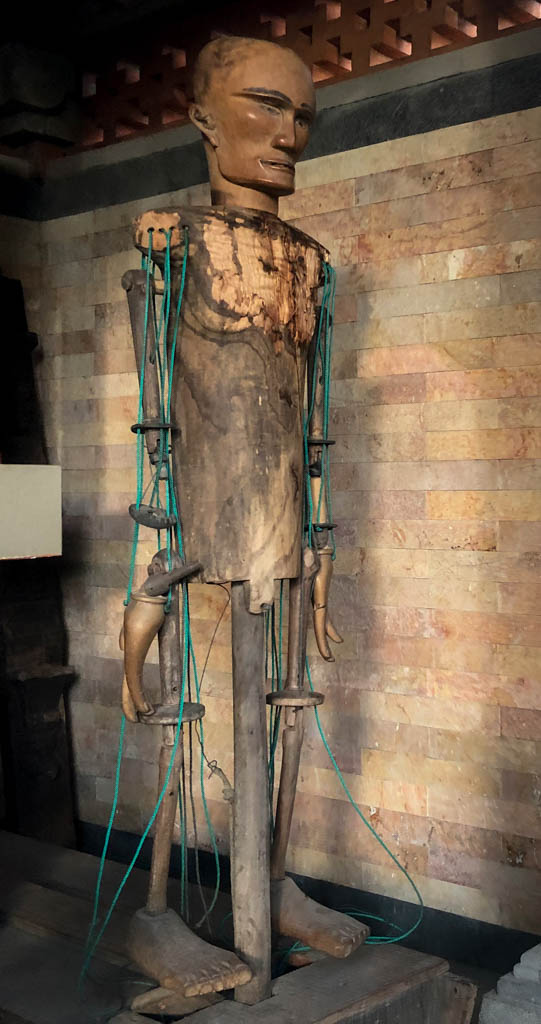
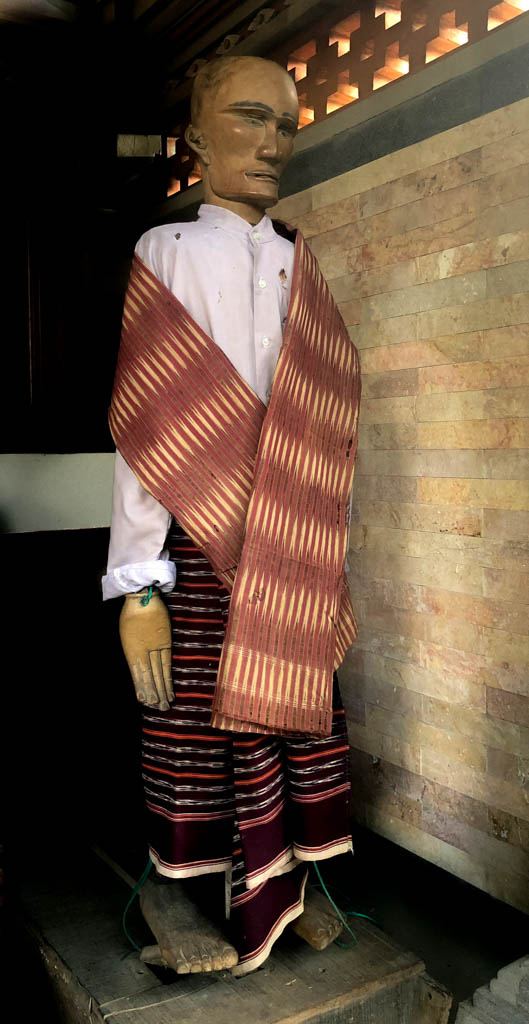
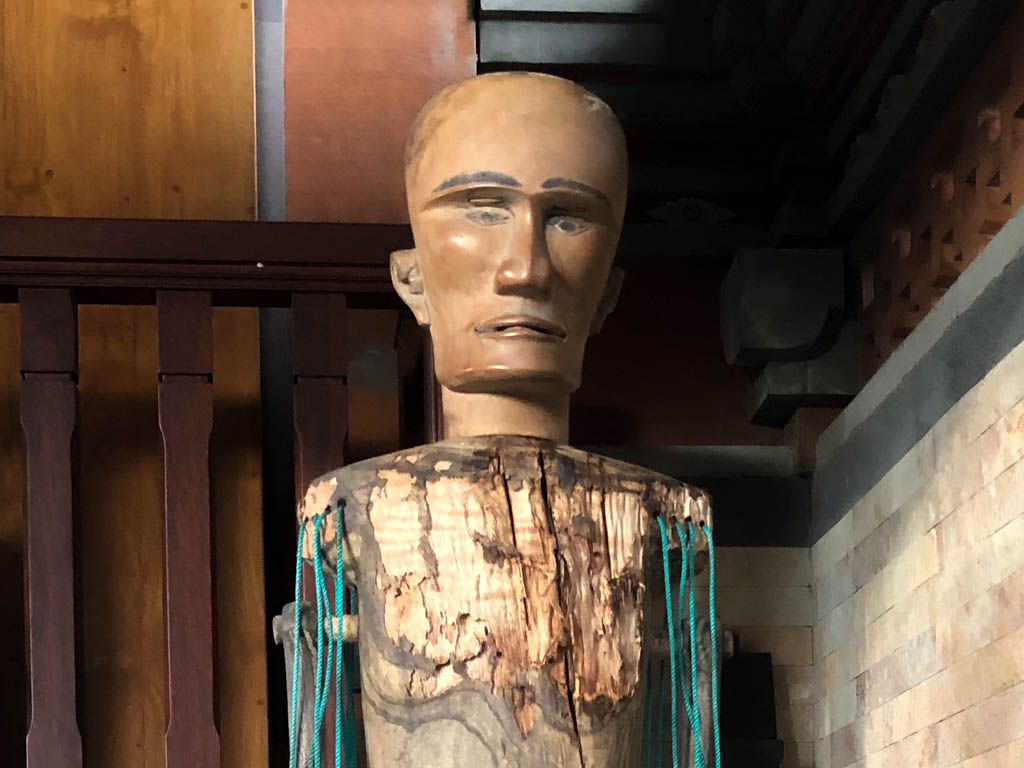
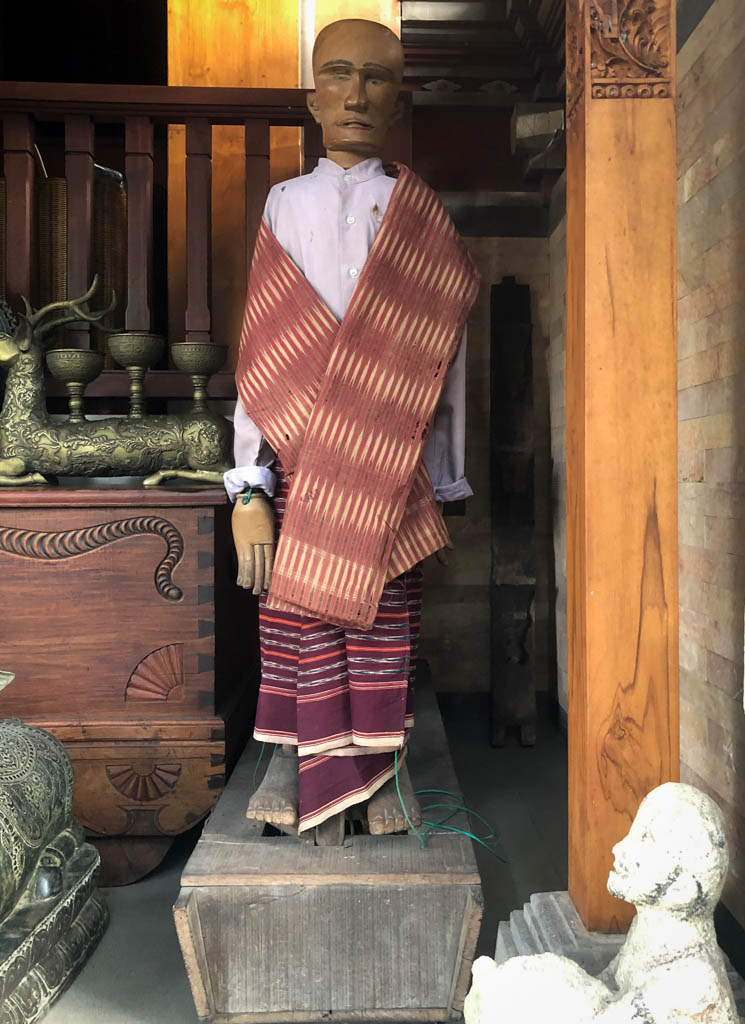
Antique Sumatran Si Gale-Gale
Material: Wood
Style: Toba Batak, Sumatra, Indonesia
Size: Puppet: Height 137 cm, Width 32 cm, Depth 23 cm (feet); Box: Height 26 cm, Width 46 cm, Depth 182 cm
Order Number: MHSASGG1
It was a great misfortune for a Toba Batak to die childless because the dead soul would occupy a very low position in the afterworld. It was also difficult to carry out the burial rites in accordance with local custom, adat. The child of the deceased performs the funerary rites. It was equally unfortunate if all the deceased’s children predeceased the dead person.
To get round the difficulty in the burial rituals called papurpur sepata for a high ranking person, the Toba substituted a complicated jointed puppet called Si Gale-Gale dressed to represent the imaginary or predeceased child. The wooden figure was carved to look like the deceased and dressed in traditional costume, with shawl, headdress, and gold jewelry. They were life sized but there were small ones. Si Gale-Gale figures are either male or female, depending on the gender of the deceased.
The Si Gale-Gale is manipulated by strings passing through the body and the wooden platform on which it stands. The head can turn or nod, stick out its tongue, shut its eyes, turn and bow the top part of its body. It danced with its arms and hands, while the deceased’s wife, parents, and brothers danced alongside, weeping.
It is believed the practice started in the mid 19th century. It is said to have originated from the legend of a childless woman named Nai Manggale. On her deathbed she asked her husband to make a lifesize image of herself to be called Si Gale-Gale and to have a dirge played before it. If this was not done, her spirit would not get to the abode of the dead and she would put a curse on him. He made the puppet.
There is an example in the Metropolitan Museum of Art but it is missing its body and platform, Art of Island Southeast Asia, The Fred and Rita Richman Collection in The Metropolitan Museum of Art, Metropolitan Museum of Art (New York, N.Y.), Florina H. Capistrano-Baker, 1994, page 61.
Early – mid 20th century.
Please ask for the price (or make an offer).