Product Description
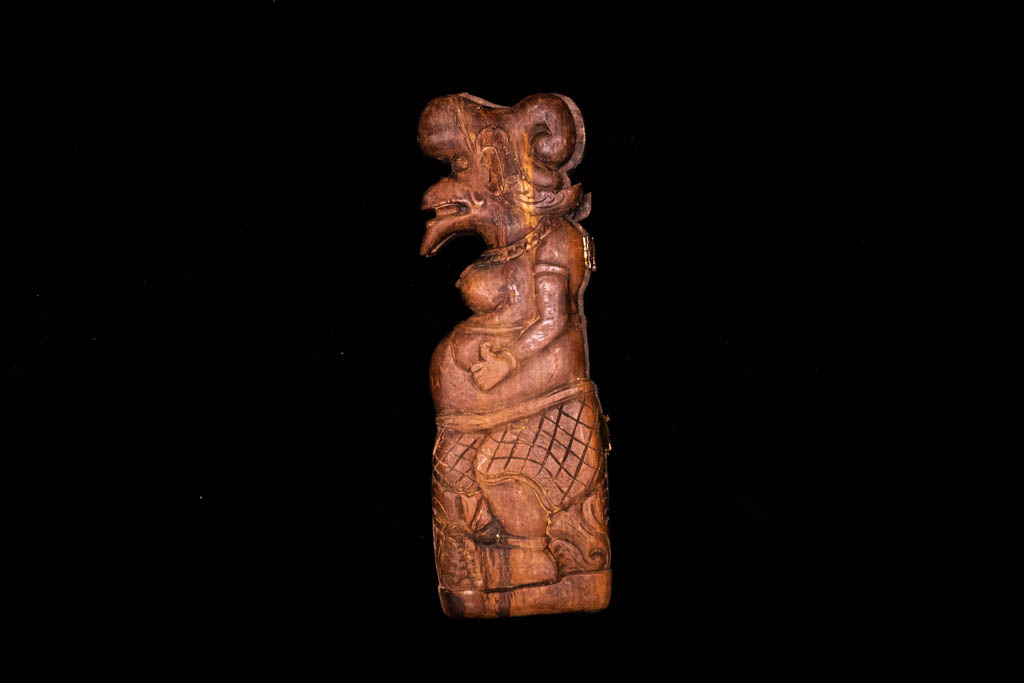
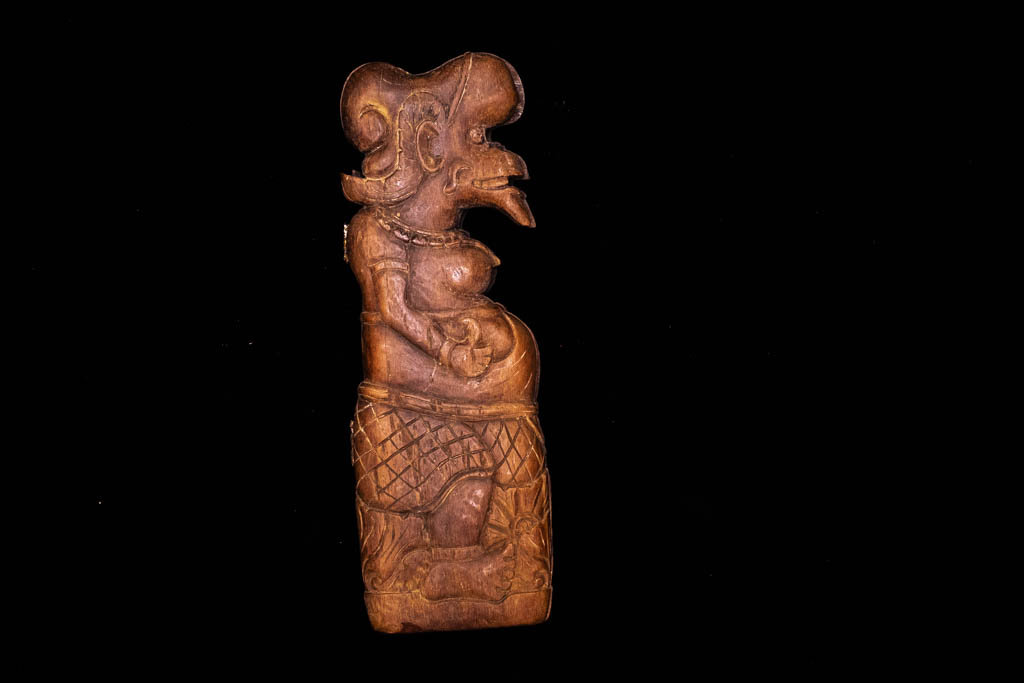
Antique Lombok Cockfighting Spur Container SOLD
Material: Wood
Style: Lombok Indonesia
Size: Height 26 cm, Width 8.5 cm, Depth 3 cm
Order Number: MHSABCFSC3
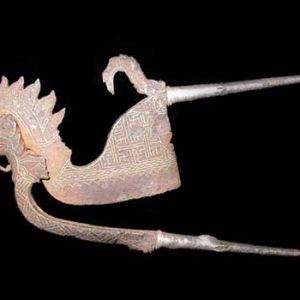
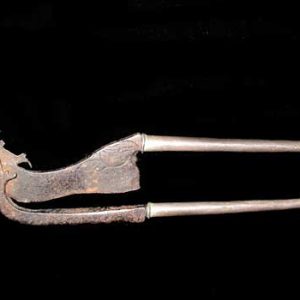
Called kotak taji, this is a small box in which razor sharp double-bladed steel spurs (taji), about 10 centimetres long, used for a cockfight, are kept and handed down from one generation to the next. The spur should be forged during a new moon and preferably during a violent thunderstorm. There are lots of superstitions, many of which are contained in the old palm leaf lontar books. The spur is tied on to the cock’s leg.
There was cockfighting in China in the 6th century BC. It also took place in India, Persia and Ancient Rome and in more modern times Denmark and Spain and among royalty and aristocrats in England. It was also enjoyed in the United States, Latin America and Cuba. It’s been outlawed under cruelty against animal legislation in these countries.
Centuries ago cockfighting – and gambling – were compulsory in Indonesia – and taxed. Cockfighting has been now banned by law throughout Indonesia, although it still takes place. Bali was the last island to ban it in 1981, but 3 bouts are allowed for purification purposes during a Balinese religious ceremony. There is no need to make more spur boxes and the art will die out. There is a large Balinese community in Lombok although the locals will also be keen.
Offerings called caru, including part of an animal, often chickens, are placed on the ground to appease bad spirits and avoid harm. Fresh blood spit on the ground from rounds of paired roosters during cockfighting (tajen) is within this category as it delights evil demons.
It is a favourite sport for Balinese men and gambling is a big attraction.
More information about Cockfights here: https://www.murnis.com/culture/balinese-cockfights/ and in our book Secrets of Bali.
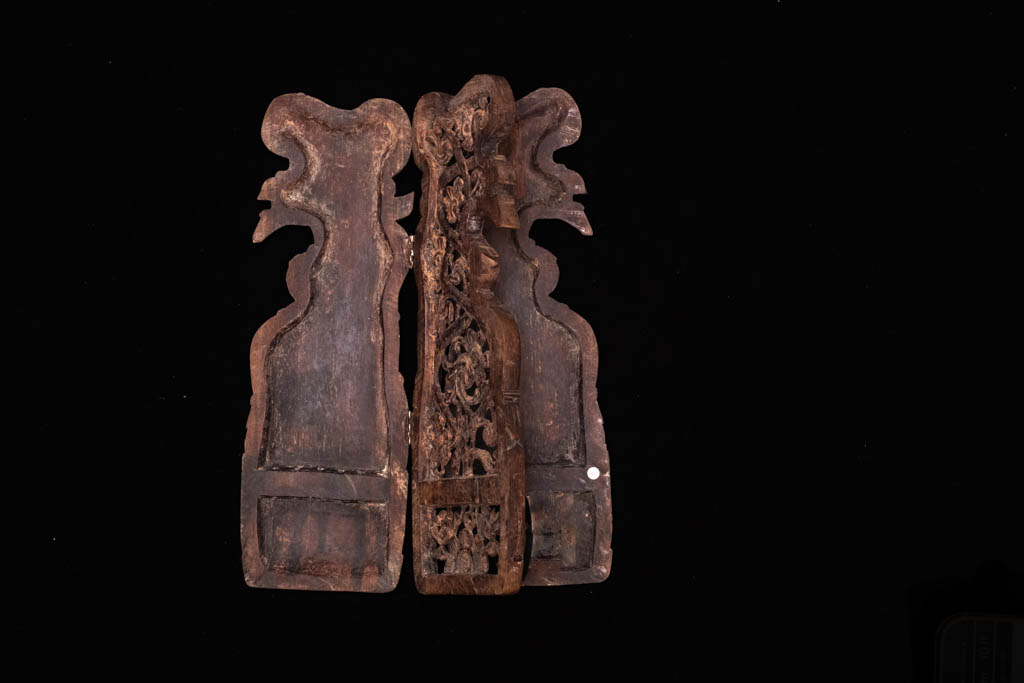
The carving is a character from the puppet (wayang) theatre. There is a central “leaf” inside.
The carving is probably the loyal but simple-minded clown/servant Dalem, who is paired with his brother Sandut, the intelligent clown/servant of the evil Korawas, who are always plotting the death of their cousins, the Pandawas, but never succeed, from the Mahabarata, the long Indian epic of the 9th century. The clowns tell jokes and narrate the story for the audience. They translate the Kawi language which the others speak and few people understand. They are opposed to the good clown/servants, Twalen and Merdah, of the Pandawas. Note he is wearing a finely checked poleng sarong, which symbolises the fight between good and evil.
More information about Cockfights here: https://www.murnis.com/culture/balinese-cockfights/ and in our book Secrets of Bali.
It is in 3 parts.
About 60-70 years old.
Please ask for the price (or make an offer).