Product Description
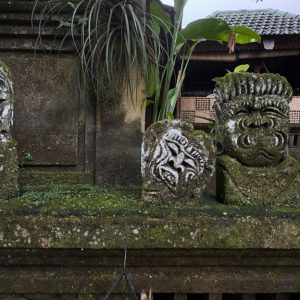
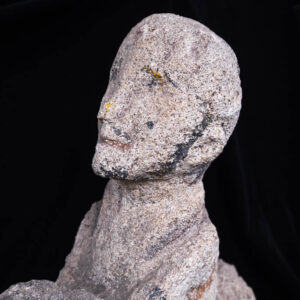
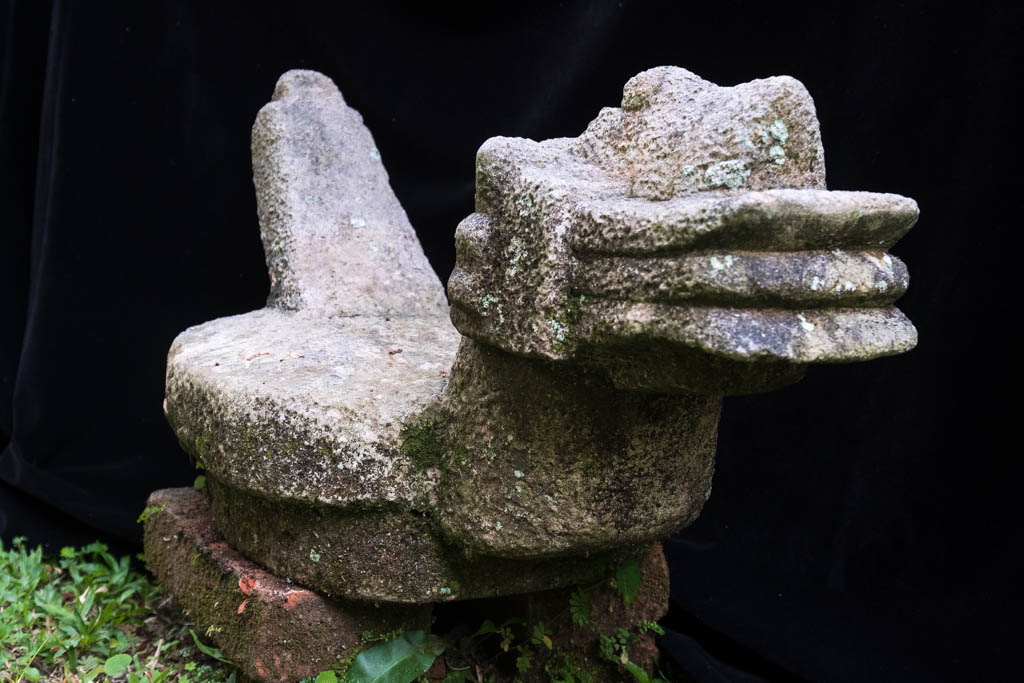
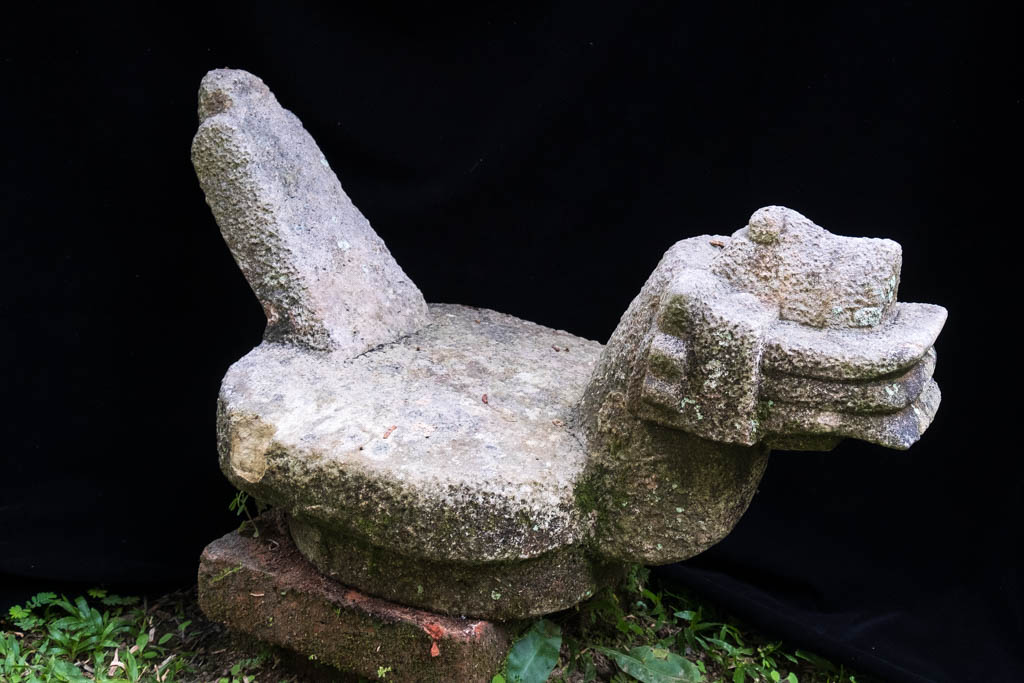
Antique Nias Lasara Osa-Osa
Material: Limestone
Style: Central Nias, North Sumatra, Indonesia
Size: Height 36 cm, Length 62 cm, Width 34 cm
Order Number: MHSANLOO1
80-90 years.
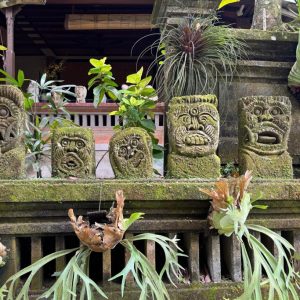
Nias is an island located off the western coast of North Sumatra, Indonesia. Until the arrival of the Dutch Nias had one of the most vibrant warrior cultures of the Indonesian archipelago and their stonecarvings have a distinctive style.
The villages were orderly and densely populated and surrounded by stone walls. Wide, steep stairs lead to avenues with large wooden houses and tables, chairs, monuments, sculptures, watercourses, public baths and wells.
A Stone Age cave shelter, the Togi Ndrawa cave, used for 3000 years was discovered by French archeologist Hubert Forestier in 2005 in Northwest Nias dating to 2500 – 1500 AD, containing human bones and Neolithic tools.
The missionaries of the late 19th and early 20th century spared stonecarvings from destruction, unlike woodcarvings, as offerings were not made to them.
Nias had a highly stratified society and a continual series of elaborate feasts when megaliths were erected, live human sacrifices were staged and offerings of heads.
North and Central Nias produced most of the free-standing stone statues. Central Nias provided the oldest and most mysterious figures. It was a patriarchal society and most statues are male.
Ritual seats called osa-osa were found only in Central Nias. Elders sat on them during ceremonies. They can be round or rectangular and in the form of real or mythological animals.
This one is called osa osa si sara mbagi, meaning a seat with only one head. It is carved in the form of a lasara – a creature with a dragon-like head and bird-like tail. It is related to the mythic naga serpent and associated with the underworld, fertility and water. They have a protective function and enhance the power of the nobility on Nias.
Osa-osa are extremely well carved and are used by noble men and women or are made for an ancestor. They are only used once during a ceremony for their consecration. They are seats of honour for the nobility during festivals raised to a higher position and are classified according to the number of heads. One headed pieces are to commemorate men who have given a feast. Three headed ones are usually for clan elders. The seats form part of large megalithic plazas that are ritual centres in Central Nias villages.
There are also hornbills and stags, both associated with ancestors.
Small ones were placed on large ancestral pillars called behu during ceremonies to honour the founding ancestors of the village.
There is a similar one in The Asian Civilisations Museum Guide, 2003, page 236.
Please ask for the price (or make an offer).