Product Description
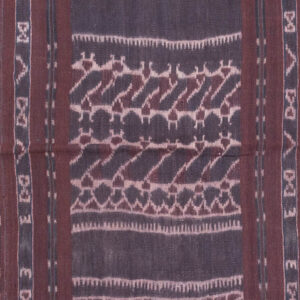
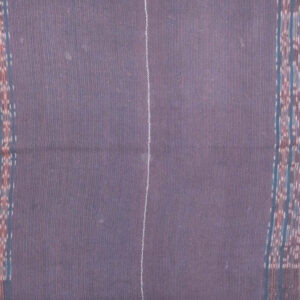
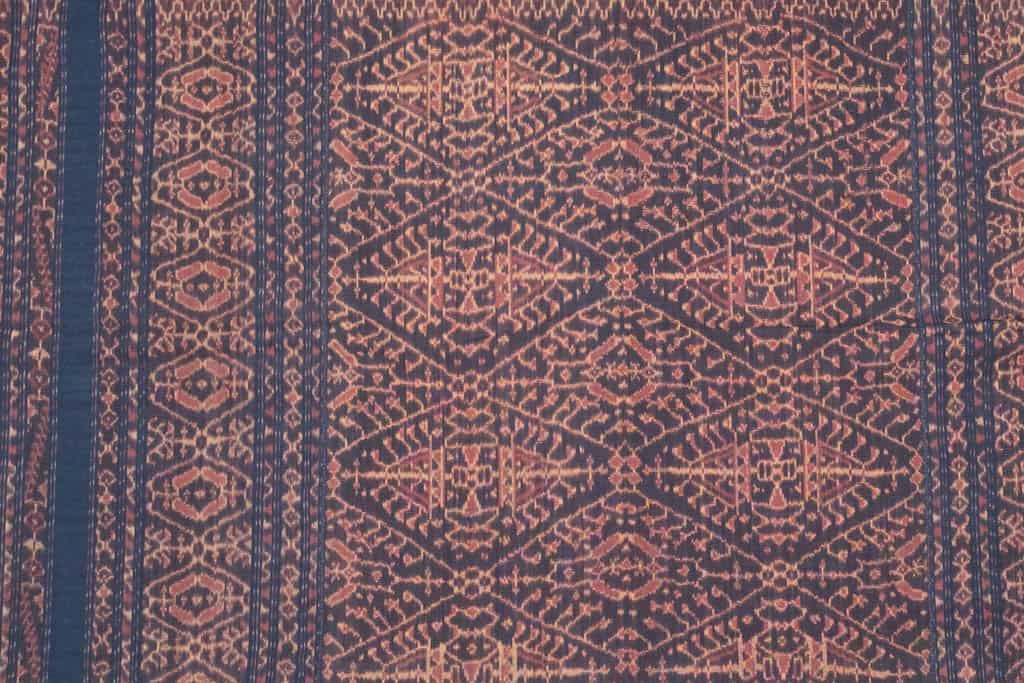
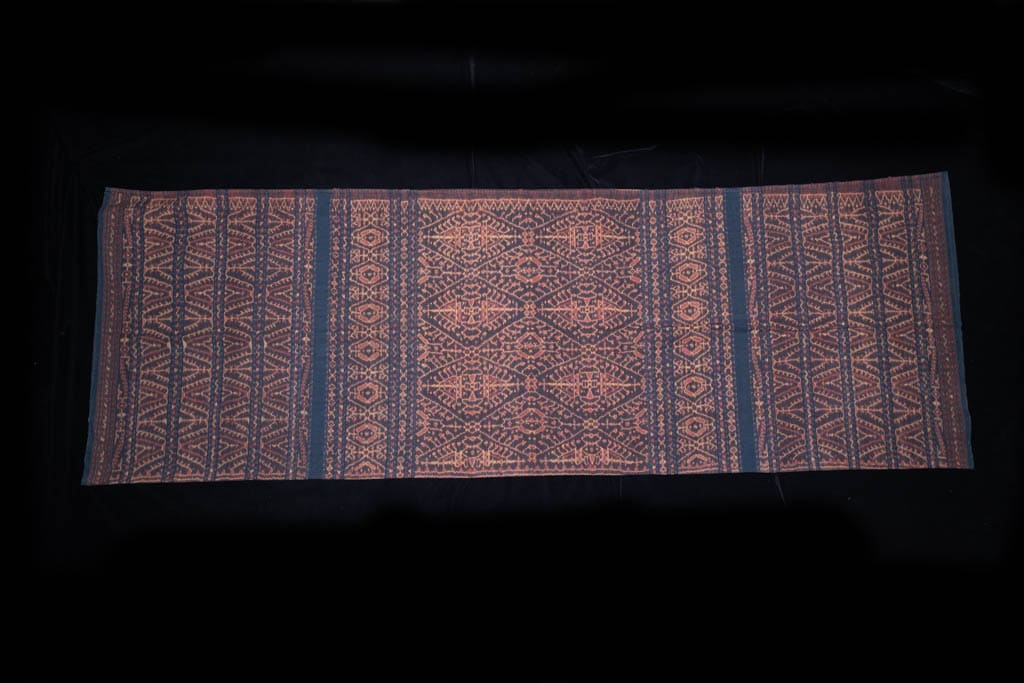
Antique Flores Tube Sarong 2
Material: Cotton, natural dyes
Style: Nggela region, Flores
Size: Length 153 cm, Width 143 cm
Order Number: MHSAFTS2
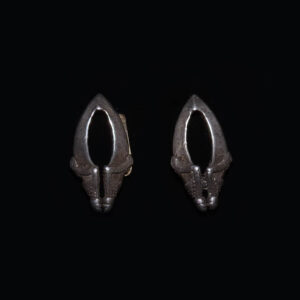
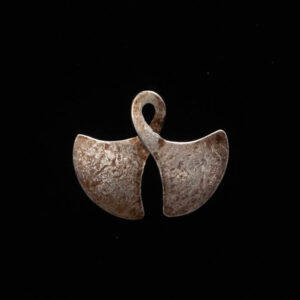
Flores is a long narrow island, with central mountains, and 12 ethnic societies. It was named by the Portuguese in the early 16th century after the flowers on the east coast. Their jewelry is extravagant.
Flores has fifteen active and ten dormant volcanoes About 1.8 million people live on the island, isolated from one another. This resulted in numerous distinct cultural groups weaving different cloths for ceremonial and everyday use.
The island is a bridge between central Indonesia and the old textile traditions of the small islands to the east. Warp-ikat tying and dying was the main means of textile patterning in east Flores and is highly intricate.
Nggela is a Lio village on the south cast of the Ende Regency. Weaving in Ende Regency only takes place in villages in or near the south coast. In the higher areas of the interior, weaving was and is forbidden by traditional law.
Nggela is renowned for its weaving and elaborate cycle of annual ceremonies. The Lio people probably settled in the area at the end of the 16th century and brought with them their customary laws and ikat weaving technology.
The 19th century was an unstable period with volcanic eruptions and inter-village warfare. The community may have become inward looking and the noblewomen weavers may have ignored outside influences. Most important textiles were made in this period.
Giving gifts takes place at life cycle rituals. ‘Male’ gifts are gold, cattle and money. ‘Female’ gifts are textiles and rice. There were at least 33 types of cloth with different designs indicating a high level of female artistic skill. Ikat weaving was intimately connected with the values of their ancestors. Cloths were also used as currency.
There was much use of red morinda dyes by aristocratic weavers, who were mature post-menopausal women. The patterns, as in this tube sarong, were inspired by imported Indian patola trade cloths. The Dutch imported them, especially in the 17th century, to reward support from the indigenous elite. The Dutch East India Company had a base near Ende for exporting cinnamon.
Prestigious sarongs had geometric or floral motifs.
When a boy or girl was 3 years old, a ceremony was performed and they were given their first sarong. Ikat sarongs were worn by women. Striped non-ikat sarongs were worn by men.
The sarongs were always made of three panels. The two end panels (gha’i) are identical. The central panel (oné) is more variable.
19th century.
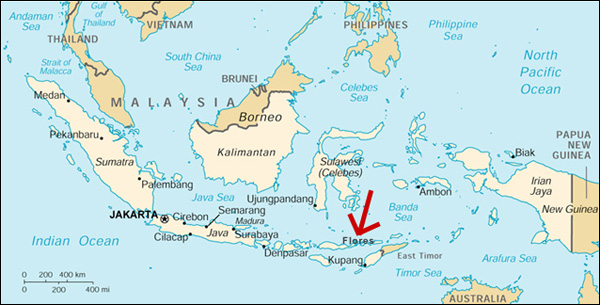 Map of Flores.
Please ask for the price (or make an offer).