Product Description
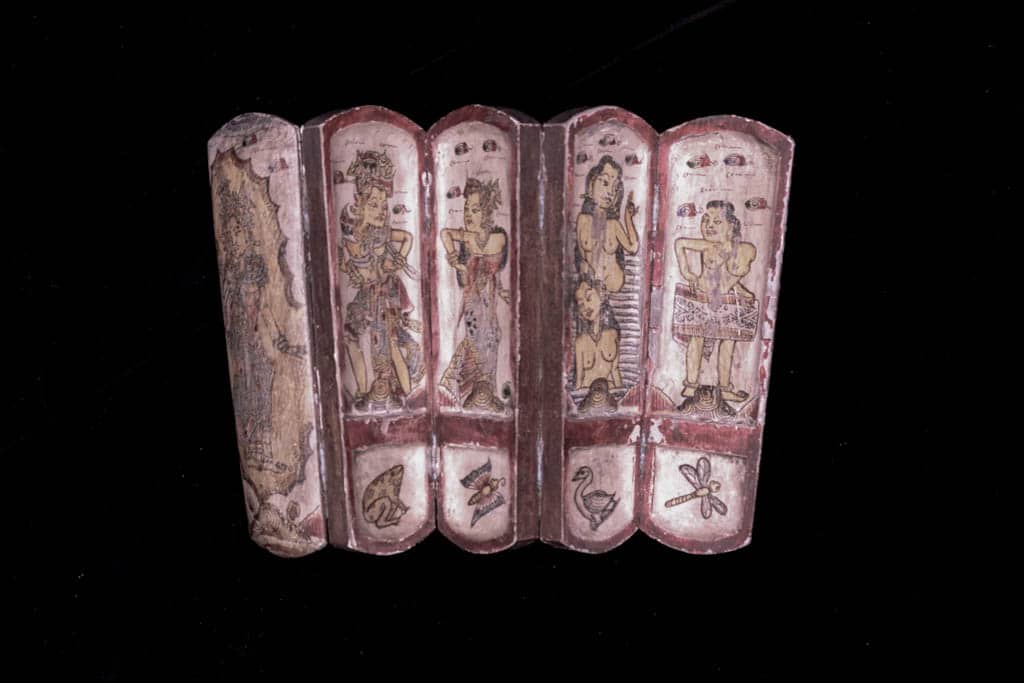
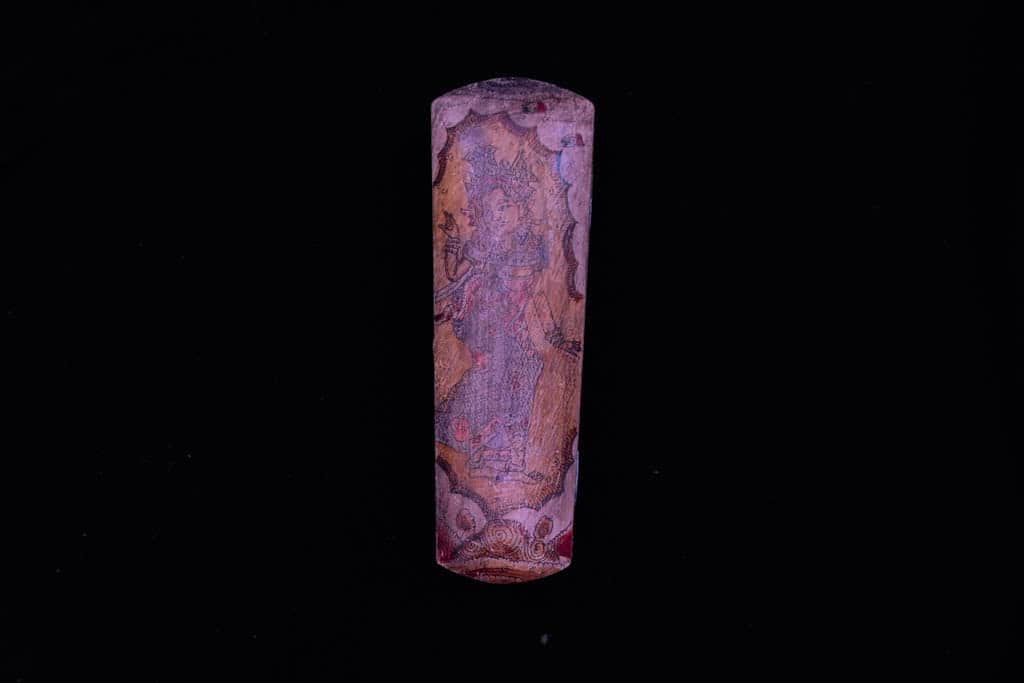
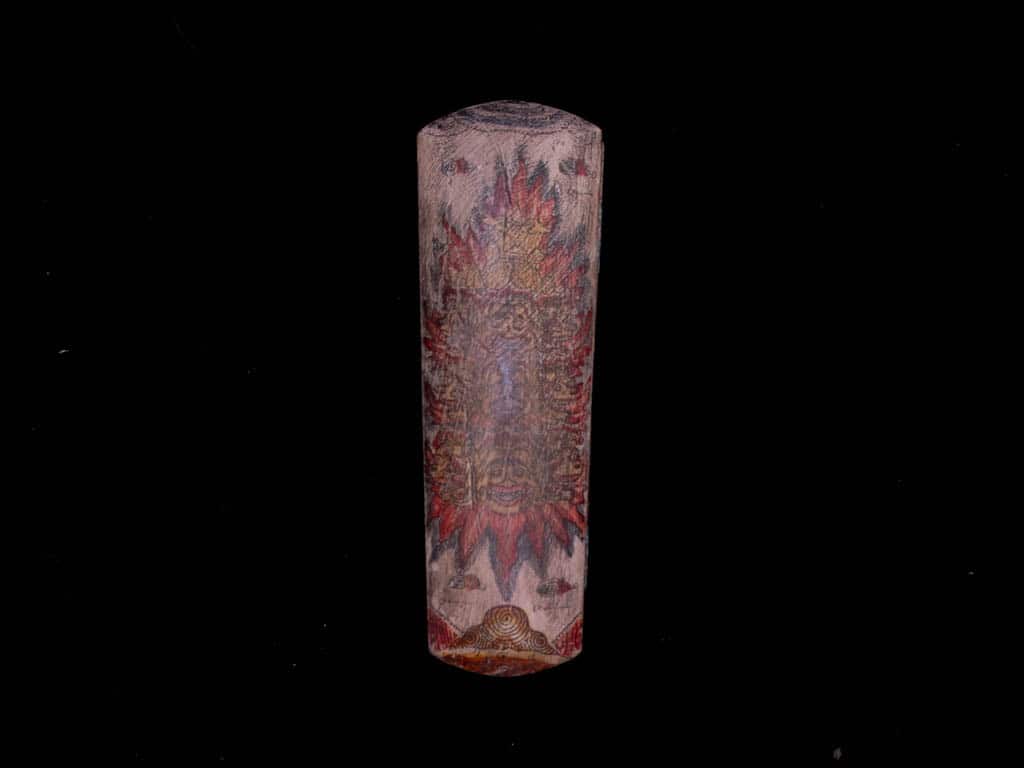
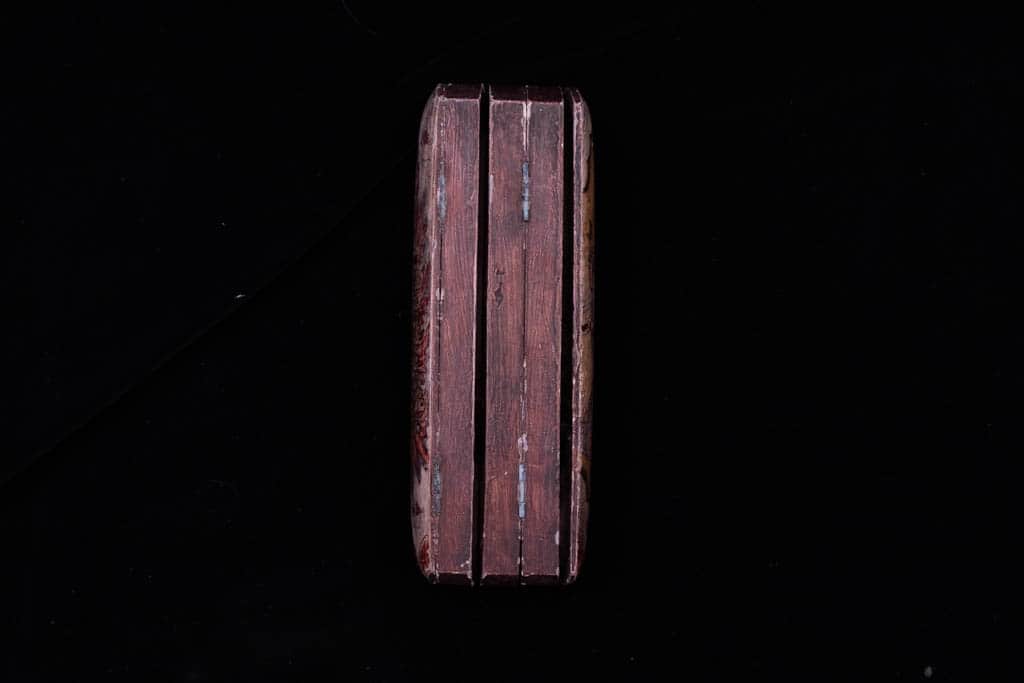
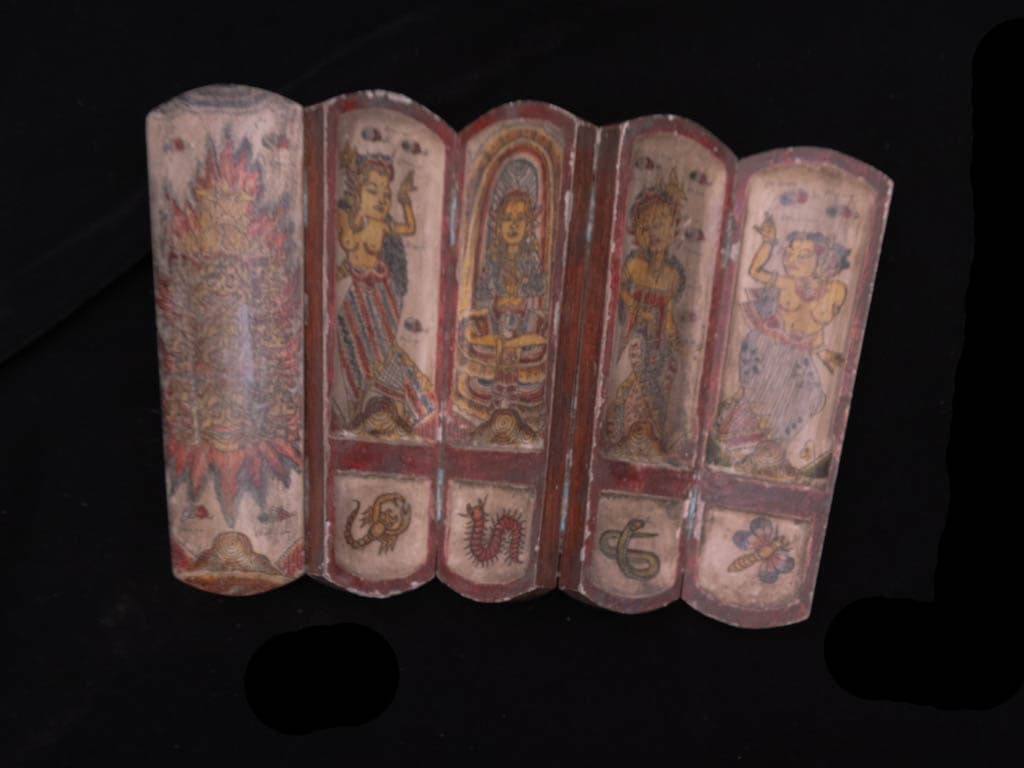
Antique Balinese Cock Fighting Spur Container 4
Material: Wood
Style: Bali, Indonesia
Size: Length 20 cm, Width 5.5 cm, Depth 5 cm
Order Number: MHSABCFSC4
Called kotak taji, this is a small box in which razor sharp double-bladed steel spurs (taji), used for a cockfight, are kept and handed down from one generation to the next. There are lots of superstitions, many of which are contained in the old palm leaf lontar books. The spur is tied on to the cock’s leg.
Cock spurs were regarded in similar terms as the blades for a kris and chanting a mantra while forging a spur was believed to imbue it with magical power. Other rules related to the taji – they should be forged during a new moon and preferably during a violent thunderstorm. Menstruating women were not permitted to even look at a taji, nor could one be touched by anyone who had a family member that had recently died.
There was cockfighting in China in the 6th century BC. It also took place in India, Persia and Ancient Rome and in more modern times Denmark and Spain and among royalty and aristocrats in England. It was also enjoyed in the United States, Latin America and Cuba. It’s been outlawed under cruelty against animal legislation in these countries.
Centuries ago cockfighting – and gambling – were compulsory in Indonesia – and taxed. Cockfighting has been now banned by law throughout Indonesia, although it still takes place. Bali was the last island to ban it in 1981, but 3 bouts are allowed for purification purposes during a Balinese religious ceremony.
There is no need to make more spur boxes and the art will die out.
Offerings called caru, including part of an animal, often chickens, are placed on the ground to appease bad spirits and avoid harm. Fresh blood spit on the ground from rounds of paired roosters during cockfighting (tajen) is within this category as it delights evil demons.
It is a favourite sport for Balinese men and gambling is a big attraction.
The case has a superb, deep patina. There are 10 compartments and each compartment can contain 3 spurs. There are 3 holes for this purpose in each internal compartment, so it could hold 30 spurs.
The painting style is from the village of Kamasan in the kingdom of Klungkung in east Bali, which became the centre for traditional Balinese painting. Originally, the Kamasan artists served the kings of Gelgel from the 16th century. Kamasan is only about 2 miles (3.2 kilometres) from Gelgel, where the court reigned during Bali’s golden age.
The unique wayang style of painting was Bali’s only form of pictorial representation until the 20th century when the Western artists arrived in central Bali and influenced artists to paint realistic scenes of everyday life.
The subject-matter tends to come from the Ramayana and Mahabarata epic stories, frequently battle scenes and especially the story of Rama, Sita and Rawana. There are gods, demons, birds, flames, bushes, trees and mythical animals.
The high quality suggests it was owned by a member of a royal family.
More information about Cockfights here: https://www.murnis.com/culture/balinese-cockfights/ and in our book Secrets of Bali.
Late 19th – early 20th century.
Please ask for the price (or make an offer).