All posts by murni

Bali Hai Day Cruises: Lembongan and Nusa Penida Islands

Bali Hai Day Cruises: Lembongan and Nusa Penida Islands

Cruises, snorkeling or scuba diving or a boat trip to a deserted islandCruises, snorkeling or scuba diving or a boat trip to a deserted island.

We can book these for guests staying at Murni’s Houses & Spa.

Lembongan Island Reef Cruise
Pick up time: 7.15 am – 7.30 am.
Boarding 8.35 am – return at 3.15 pm – arrives 4.15 pm.
Morning/afternoon tea, coffee and snacks
Buffet Lunch, Fun Activities including Unlimited Banana Boat Rides and a thrilling 35 meter water slide, Coral Reef Restoration Tour, Lembongan Village Excursion, Free Snorkeling Equipment, Locker. 
Optional: Parasailing, Introductory Scuba Diving, Certified Scuba Diving, Aquanauts*,- ask for prices
Lembongan Island Beach Club Cruise
Pick up time: 7.15 am – 7.30 am.
Boarding 8.35 am – return at 3.15 pm – arrives 4.15 pm.                                         13.35 Treasure Hunt for Children.
Morning/afternoon tea, coffee and snacks
BBQ Lunch. You can drop kids off at the Kid’s Club. Access to Snorkelling Reef Pontoon. Unlimited Banana Boat Rides. Beach Club Facilities, including volleyball and pool. Sunbathing. Coral Reef Restoration Tour. Lembongan Village Excursion. Free Snorkeling Equipment and Instruction. Locker. 
Optional: Parasailing, Introductory Scuba Diving, Certified Scuba Diving, Aquanauts* – ask for prices
Aristocrat, Luxury Sailing Catamaran (Nusa Lembongan)
Pick up time: 7.15 am – 7.30 am.
Boarding 8.25 am. 9.00 am. – return at 4 pm – arrives 6 pm.                                                          
Morning/afternoon tea, coffee and snacks
Lunch. Volley Ball. Treasure Hunt for Children. Tug of War on the Beach. Access to Snorkelling Reef Pontoon. Snorkelling tours. Unlimited Banana Boat Rides. Coral Reef Restoration Tour. Lembongan Village Excursion. Free Snorkeling Equipment and Instruction. Locker. 
Optional: Parasailing, Introductory Scuba Diving, Certified Scuba Diving, Aquanauts* – ask for prices
Castaway Escape (Nusa Penida and Nusa Lembongan)
Pick up time: 7.15 am – 7.30 am.
Boarding 8.25 am. 9.00 am. – depart at 4 pm – arrives 6 pm.                                                          
Morning/afternoon tea, coffee and snacks.           11 am arrive at Nusa Penida. Snorkelling.       12.30 leaves for Nusa Lembongan.  
Lunch. Semi-submersible coral viewer. Volleyball. Snorkelling tours.
Optional: Parasailing, Introductory Scuba Diving, Certified Scuba Diving, Aquanauts* – ask for prices
Ocean Rafting is not suitable for children under 10, pregnant women or people with back problems.


Aristocrat Evening CruisePick up time: 5.15 pm – 5.30 pm.
7 pm – 9.30pm.
Luxury Sailing Catamaran 
5 course Dinner
Live music
Not for children under 8 years.


Sunset Dinner CruisePick up time: 4 pm – 4.15 pm.
Boarding 5.30 pm. 5.45 pm – 8.45pm.
International Buffet Dinner  
Cruise around Benoa Harbour
Live music, dancing and cabare
 

ACTIVITIES

The following lists some of the activities available.

  • Reef Pontoon Facilities
  • Resort Swimming Pool
  • Bicycles
  • Ocean Kayaks
  • Volley Ball (beach & pool)
  • Banana Boat Rides
  • Snorkelling Equipment and Instructio
  • Free Surfing Transfers
  • Kids Play Area
  • Free WiFi

OPTIONAL ACTIVITIES

Parasailing, Fishing, Junking Sailing, Scuba Diving

*AQUANAUTS

 Aquanauts is a new marine adventure. A unique underwater experience which allows you to breathe underwater while walking amongst Indonesia’s vibrant tropical reefs and diverse marine life.  Not for suitable children under 9 years.

 Book as much in advance as possible – we’ll call the company and arrange for you to be picked up.

What to bring:

  • Towel (except for Sunset Dinner Cruise)
  • Sunscreen (except for Sunset Dinner Cruise)
  • Sun hat (except for Sunset Dinner Cruise)
  • Swimming costume (except for Sunset Dinner Cruise)
  • Camera
  • Money for drinks, souvenirs and optional activities.


June 2022


Lembongan Island Reef Cruise
Pick up time: 7.15 am – 7.30 am.
9.15 am – 4.15 pm.
Morning/afternoon tea, coffee and snacks
International Buffet Lunch, Guided Village Tour, Unlimited Banana Boat Rides, Snorkelling Equipment and Instruction, Semi-Submersible Coral Viewer
Optional: Parasailing Introductory Scuba Diving  Certified Scuba Diving , Aquanauts, Massage
Lembongan Island Beach Club Cruise
Pick up time: 7.15 am – 7.30 am.
9.15 am – 4.15 pm.
Morning/afternoon tea, coffee and snacks
Tropical BBQ Lunch Beach Club Facilities, Guided Village Tour, Unlimited Banana Boat Rides, Snorkelling Equipment and Instruction, Semi-Submersible Coral Viewer
Optional: Parasailing, Introductory Scuba Diving, Certified Scuba Diving,, Aquanauts, Massage
Aristocrat, Luxury Sailing Catamaran (Nusa Lembongan)
Pick up time: 7.15 am – 7.30 am.
9.00 am. – 6.00 pm.
Morning/afternoon tea, coffee and snacks
Tropical BBQ Lunch, Fishing, Beach Club Facilities, Guided Village Tour, Unlimited Banana Boat Rides, Snorkelling Equipment and Instruction, Semi-Submersible Coral Viewer
Optional: Parasailing,Introductory Scuba Diving, Certified Scuba Diving, Aquanauts, Massage
Castaway Cruise (Nusa Penida)
Pick up time: 7.15 am – 7.30 am.
9.00 am. – 6.00 pm.
Morning/afternoon tea, coffee and snacks
Tropical BBQ Lunch, Fishing, Guided Village Tour, Snorkelling Equipment and Instruction
Optional: Introductory Scuba Diving  (min 2 people), Certified Scuba Diving (min 2 people), MassageApril-October (inclusive), Tues, Thurs and Sun.
3 Island Day Cruise
Pick up time: 9 am – 9.15 am.
10.30 am. – 5.30 pm.
Pristine bays and snorkel, deserted beaches
Picnic Lunch, Seaweed Farming Village, Marine Park, Beach Club on Lembongan
Optional: Parasailing, MassageOcean Rafting is not suitable for children under 10, pregnant women or people with back or heart problems.
Dolphin Cruise
 
Pick up time: 6 am – 6.15 am.
 
7.30 am. – 9.30 am.
Morning/afternoon tea, coffee and pastries, Dolphin Spotting off the South Bali coast
 

Ocean Rafting is not suitable for children under 10, pregnant women or people with back or heart problems.

90% success rate to see dolphins. If you don’t see dolphins, they will provide a return dolphin cruise free (subject to availability).

Aristocrat Evening CruisePick up time: 5.15 pm – 5.30 pm.
7 pm – 9.30pm.
 
5 course Dinner,  Luxury Sailing Catamaran, Live music
 
Not for children under 8 years.


Sunset Dinner CruisePick up time: 4 pm – 4.15 pm.
 
5.45 pm – 8.45pm.
 
International Buffet Dinner, Cruise around Benoa Harbour, Live music and cabaret
 
 
Hai Tide Huts
Breakfast included.

ACTIVITIES

The following lists some of the activities available at the Hai Tide Huts.

  • Reef Pontoon Facilities
  • Resort Swimming Pool
  • Bicycles
  • Ocean Kayaks
  • Volley Ball (beach & pool)
  • Banana Boat Rides
  • Snorkelling Equipment and Instruction
  • Free Surfing Transfers
  • Kids Play Area
  • Free WiFi

OPTIONAL ACTIVITIES

Parasailing, Fishing, Junking Sailing, Scuba Diving, Aquanauts*, Massage, Manicure, Pedicure

*AQUANAUTS

Aquanauts is a new marine adventure. A unique underwater experience which allows you to breathe underwater while walking amongst Indonesia’s vibrant tropical reefs and diverse marine life. Not for suitable children under 9 years.

For Cruises, snorkeling or scuba diving or a boat trip to a deserted island:

Email us for the prices. Note that prices can change.

booknow

Bali Herbal Walks

Bali Herbal Walks

Bali Herbal Walks

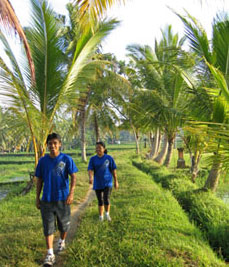
You will be conducted on a walk amid the rice paddies of Ubud.

You will discover herbs that grow along the edges of the rice paddies.

You will see turmeric and coconut palms, taro plants and banana trees, lemon grass and citronella, soursop, jackfruit, pineapple and breadfruit growing side by side.

We will pull, pick and crush roots and leaves and smell the strong fragrances. We will stop to taste edible leaves, suck the nectar out of the red flowers of the closed hibiscus tree, and drink fresh, young coconut juice.

Included:

  • herbal tea
  • herbal drinks
  • Balinese cake
  • tropical fruit

Bring comfortable foot wear with non-slip soles, as the walk can be wet and muddy, as well as a hat and sun block and a camera.

9 am meet at Puri Lukisan Museum on the main road.

Ends about 11.30 am.

Book as much in advance as possible.  

Email: murni (at) murnis.com or tell Reception.

We will call them for you, check availability and reserve the places.

booknow

Bali Bird Walks

Bali Bird Walks

Bali Bird Walks

Bali Bird Walks will take you on a variety of trails around the countryside of Ubud.

Following a brief introductory talk, we set off on our walk, for about 3 1/2 hours, 5 or 6 kilometres, and returning for lunch about 12.30 pm.

Over 100 species of birds are found around Ubud, of which you are bound to see 30 or so, including Indonesian endemics such as Java Kingfisher, Bar-winged Prinia, Black-winged Starling, Scarlet-headed Flowerpecker, Java Sparrow, and many brilliant birds.

You may also see Birdwing and Swallowtail butterflies, different types of rice cultivation, rustic temples and monuments, magnificent trees, stunning scenery, and wildflowers.

Bali Bird Walks provide:

  • lunch
  • cool Aqua on the trails
  • coffee and tea, and
  • a limited number of binoculars

Bring comfortable footwear with non-slip soles, as the walk can be wet and muddy, as well as a hat and sun block and a camera.

booknow

Elephant Safari Park Rafting Trekking and Cycling

Elephant Safari Park Rafting Trekking and Cycling can be booked in any combination.

Elephant Safari Park Rafting Trekking and Cycling

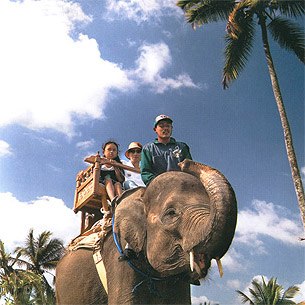
Enjoy an incredible experience riding and even bathing with the elephants as they take their morning bath, and that includes the babies. It’s also possible to combine this with other activities, such as cycling and/or white water rafting.

Bathe and Breakfast with the Elephants Tour
Pick up time*: 6.30 – 7.00 am
Continental or American Breakfast, Bathing the Elephants, Elephant Show, Safari Ride
 
Bathe and Breakfast with the Elephants and White Water Rafting Tour
Pick up time*: 6.30 – 7.00 am
Continental or American Breakfast, Bathing the Elephants, Elephant Show, Safari Ride, White Water Rafting, Buffet Lunch
 
Elephant Safari Park Ride Tour
Pick up time*: 8.00 – 8.30 am or 1.30 – 2.00 pm
Gourmet Buffet lunch, Elephant Show, Safari Ride
 
Elephant Safari Park Tour

Pick up time*: 8.00 – 8.30 am or 1.30 – 2.00 pm

Gourmet Buffet lunch and Elephant Show

Elephant Safari under the Stars
Pick up time*: 4.30 – 5.00 pm
Night Safari, Show and Dinner
 
 
Afternoon Rafting, Elephant Night Safari, Show and Dinner
 
Pick up time*: 12.30 – 1.00 pm
Rafting, Elephant Safari Night Ride, Show, Dinner
Afternoon Cycling, Night Safari, Show and Dinner
Pick up time*: 1.30 – 2.00 pm
Cycling, Elephant Safari Night Ride, Show, Dinner, insurance included
 
Trekking and Safari Ride
Pick up time*: 9.00 – 9.30 am
Gourmet Buffet lunch, Elephant Ride, insurance included


Rafting & Elephant Safari Ride
Pick up time*: 8.15 – 8.45am.
Gourmet Buffet lunch, Elephant Show, Safari Ride
 
Rafting & Elephant Park Visit
Pick up time*: 8.15 – 8.45am.
Rafting, Gourmet Buffet Lunch, Elephant Safari Park Entrance, (Safari Ride not included)
 
Cycling & Elephant Safari Ride
Pick up time*: 8.30 – 9.00am.
Mountain Cycling, Gourmet Buffet lunch, Elephant Show, Safari Ride
 

Cycling, Rafting & Elephant Safari Ride
 
Pick up time*: 8.30 – 9.00am.  
Mountain Cycling, Rafting, Gourmet Buffet lunch, Safari Ride

* pick up times are approximate.

We will send prices to guests staying at Murni’s Houses.


booknow

White Water Rafting

White Water Rafting

White Water Rafting
White Water Rafting is an exhilarating rafting adventure on the beautiful Ayung River.

The river stretch is 8 km through 27 class II and III rapids in a wild unspoiled rainforest, towering gorges and magnificent rice paddy terraces.

Professionally trained and experienced guides pilot safety-equipped Avon rafts through the best river runs, dramatic drops and spectacular waterfalls to make your Bali rafting ride a fun and awesome experience.

It takes about 1 1/2 hours. There are hot showers, clean towels and changing rooms.

Morning

Pick up time*: 9.00 – 9.00am
Gourmet Buffet Lunch, hot showers, changing rooms

Afternoon

Pick up time*: 1.00 – 2.00pm.
Gourmet Buffet Lunch, hot showers, changing rooms

We will send prices of White Water Rafting to guests staying at Murni’s Houses.


booknow

Mount Batur Volcano Sunrise Trek

Mount Batur Volcano Sunrise Trek

Mount Batur Volcano Sunrise Trek

Mount Batur Volcano Sunrise Trek

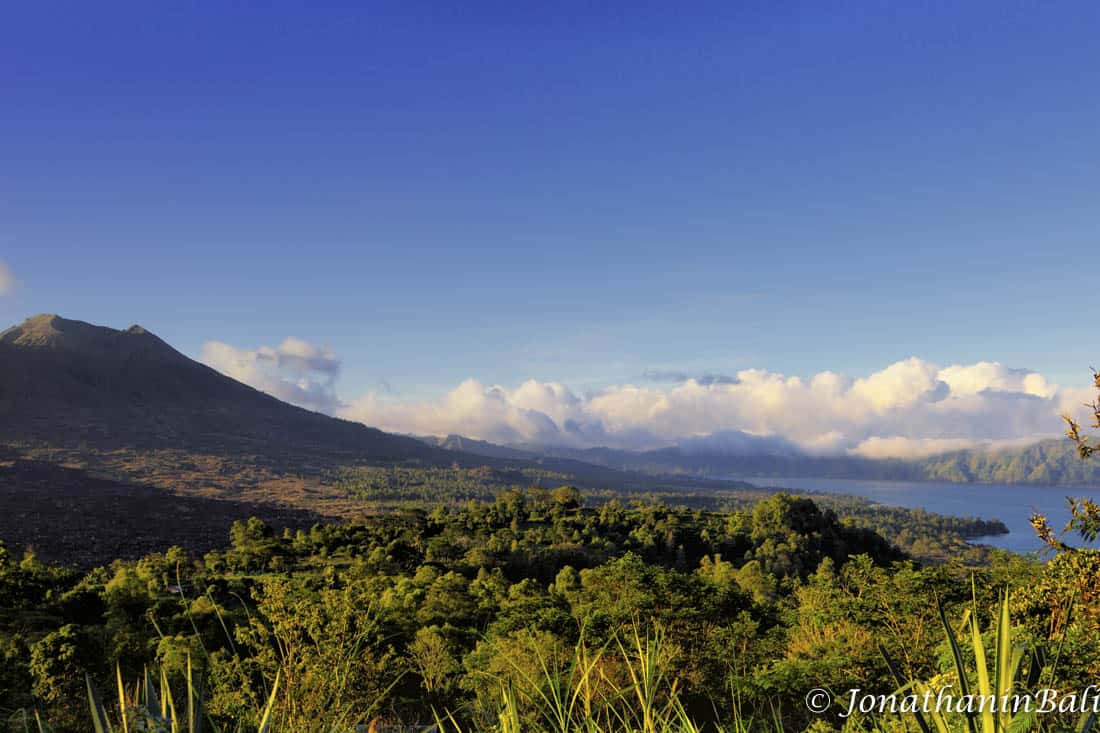
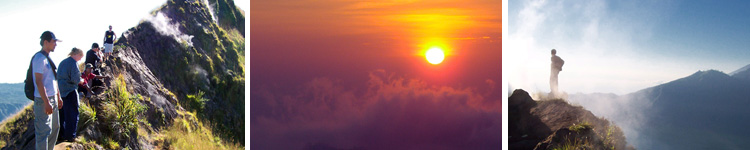
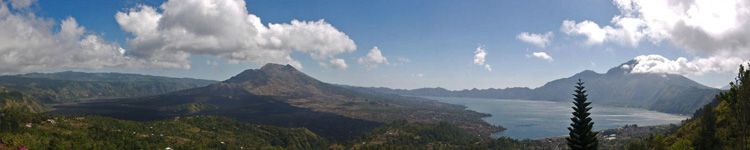
Join us for this amazing trek on the active volcano, Mount Batur.  Starting in the dark of the early morning, ascend to the highest peak and crater for a glorious sunrise and stunning morning views.

From the beautiful lake of Mount Batur, climbing up to its summit, witnessing the large troop of monkeys exit the largest crater, pass by steam fissures where we cook our eggs for breakfast, relax and enjoy morning tea or coffee with the warmth of the early rays of the sun in the breathtaking panorama of the volcanic landscape.

After resting and feeling recharged, experienced guides will explain the history of the volcano as you continue your trek along the rim of the caldera, observe steaming fissures, explore the three younger craters and the most recent lava flows, marveling at the varied landscapes. On clear days it is possible to see Mount Rinjani in Lombok.

Conclude your trek with a delightful descent through farmlands and bountiful fields of tomatoes, spinach and other crops. Venturing back down the mountain, enjoy a scenic drive through Kintamani and its neighboring villages.

Stop along the way for an educational visit to a Bali coffee plantation where you can sample fresh coffee or cocoa as you observe the roasting process, and personally see the unusual process of the well-known Coffee Luwak.

The Mount Batur Volcano Sunrise Trek is a relatively easy climb and is suitable for most persons and children. It is one of the most attractive volcanoes and you can usually bet on a gorgeous sunrise and splendid views of the lake and surrounding mountains in the morning and the rocky beauty of an active volcano.

Suggested clothing for climbing: sport shoes, coat and long pants.

Tour includes:

  • Air conditioned hotel transfer
  • Tea or coffee and light breakfast
  • Mineral drinking water
  • English speaking climbing guide
  • Safety equipment
  • Stunning scenery and photo opportunities

Mount Batur Volcano Sunrise Trek


Pick up is about 2.30 am and return between 10 am and 11 am.


booknow

Tarot readings

Tarot readings

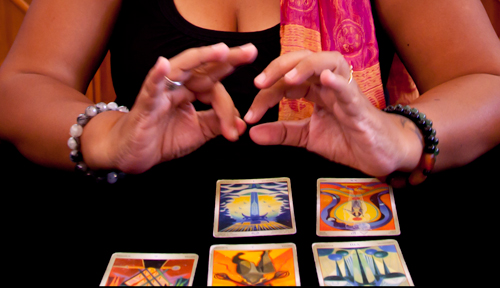
This special opportunity for Tarot readings is for guests staying at Murni’s Houses & Spa.

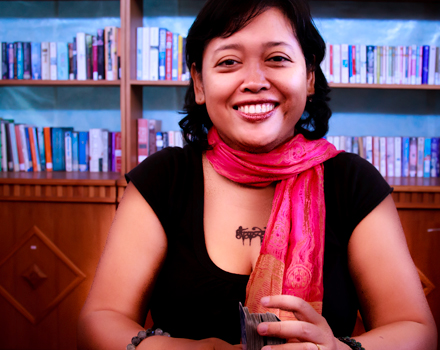
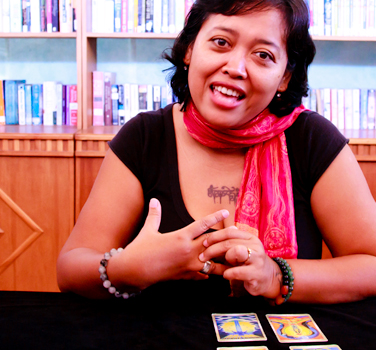
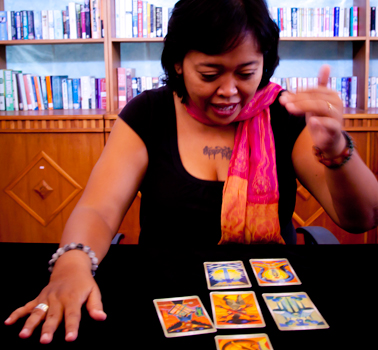
The Tarot Reader of UbudYou will visit Novi in her own house for a Tarot reading.

The Tarot Reader of UbudYou will be surprised by her warmth and accuracy.

The Tarot Reader of UbudShe is the favourite tarot reader of top government ministers in Jakarta.

The Tarot Reader of UbudYou pick the cards. Her interpretation is spot on. She has a gift for explaining very simply.

Tarot readingsIt’s great fun, even if you don’t have any problems.

If you have questions, you will leave with clarity, and a sense of relief.

The Tarot Reader of Ubud

“It is unusual to find the level of skill and perception that Novi offers anywhere in the world, let alone in Ubud. Novi really cares about people. Beautiful integrity and a huge heart. You will enjoy her reading immensely.”

Mia Watson

Craniosacral therapist

Tarot readings

The Javanese define life as “nothing more than a pause on the path to drink a cup of tea”.

Novi’s approach to tarot is influenced by her background in Sumatran philosophy.

“We start from the idea of our humanity, from acceptance that we will never be perfect and that we will always make mistakes,” she says.

This is what makes Novi’s readings so encouraging and uplifiting.

My Tarot Card Reading in Ubud, Bali.
Paula McInerney
Contented Traveller, 20 April 2015

“I had not seen Eat. Pray. Love. when I had this interesting experience…”

Read the full story: My Tarot Card Reading in Ubud, Bali.

Noviana, a peaceful mind and a kind heart

Ioana Budean

Huffington Post

8 August 2016

Noviana is one of the most amazing women I’ve ever met.  In the magical atmosphere of Ubud, Bali, she will tell you the truth about your life, fears and concerns. If you are ready to listen, of course. I was surprised, happy and I still can hear her words after two months. Because of her, I’ve started to dance, to have more confidence in myself and to understand that nothing is random in this world.

Tarot readings

1.Dear Noviana, can you tell me your story in just one sentence?

I’m always flowing and don’t make plans, because I always believe everything is my karma and “takdir” (destiny), so I just enjoy my job.

2. What does Bali mean to you, especially Ubud?

Bali reminds me of my childhood in Java, where I always felt connected with the universe. Ubud is more like “I am home”.

3. What is the most common question that your clients ask you?

My clients are various, until now I’ve read about 5.000 people, but the majority worry about money and love life hahahaha. And I’m always suggesting them to fix their “now” first, because the future is what we plant now.

4. What are people looking for in Ubud?

Before the film “Eat Pray Love” boomed, they were coming here because they were drawn by the energy of this place, but after the movie – many people felt inspired by it and thought they can be like Julia Roberts in 3 months. That’s why many people became disappointed, they forgot that life is a long hard working journey for finding happiness. People often forget that the first key to happiness is “acceptance” – once they can accept their life as it is, they can be happy wherever they go.

5. The magic of the island is real. It is a combination of nature, spirituality and good people – for me at least. But for you? What is this magical thing about Ubud?

For me Ubud is home.  The energy here helps me a lot to be more focused inward.

6. Tell me more, please, about your work.

I left my job as the creative director in BBDO INDONESIA in 2007 and moved to Ubud. Then, I worked as a trainer and senior teacher in the Indonesian Language School Cinta Bahasa and also as the Media Manager for Balispirit Festival until now, but in the mean time I do the tarot reading, since I was in Jakarta.

7. If you could have anything in the world, what would you choose?

A peaceful mind and a kind heart.

8. Teach us, please, an exercise for receiving abundance and love in our lives.

For me, abudance is when we always feel gratitude and surrender, and our mind is not controlled by worries. As a Javanesse, my culture taught me that everything is already in the Grand Design; life is a continuous movement and reality changes all the time, we have to learn to know and respect what is there for us and at the same time not to get too attached to it. Counting the blessings.  For Love is just simple, give more love to all sentient beings and life (including ourselves), with no expectation in return.

9. Why dreams do come true so fast in Ubud?

Bali is a magic land, every morning and evening the whole island gives offerings to this land. This positive accumulation of energy makes the manifestation fast, BUT that also depends on how you plant the good karma seeds. Because everything is fast, bad karma is fast too.  It’s a purification land. What you plant is what you harvest.

Readings are up to 45 minutes.


We need advance notice to be able to arrange this. Novi is heavily booked up.

We will call for you and check availability and arrange transport to and from her house.

It will take about 30 minutes to get to her house. The driver will wait for you.

It’s compulsory to wear a mask.

Book by asking at Reception or emailing murni@murnis.com

booknow

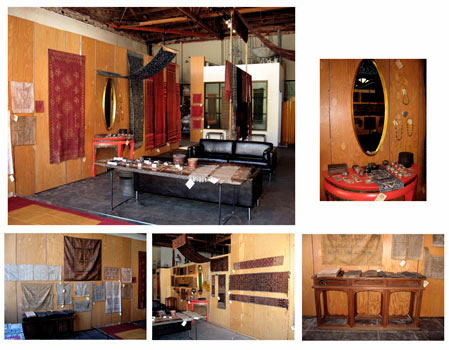
San Francisco Tribal and Textile Arts Show February 2009

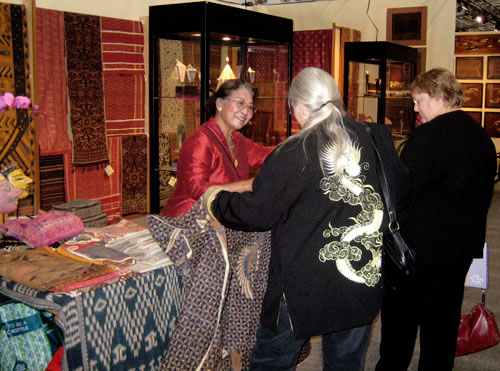
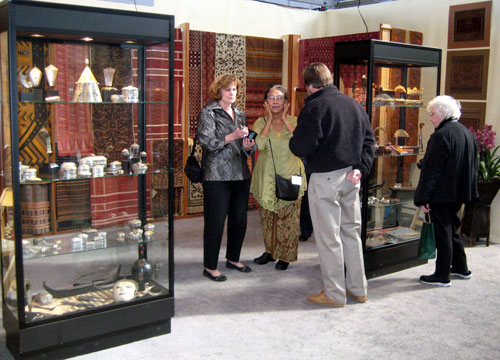
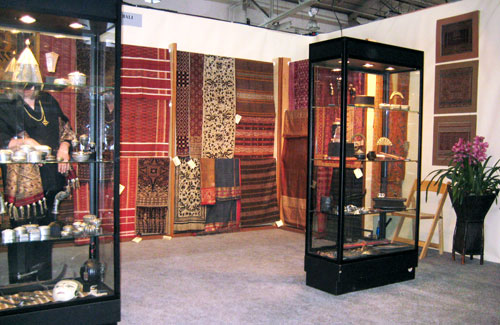
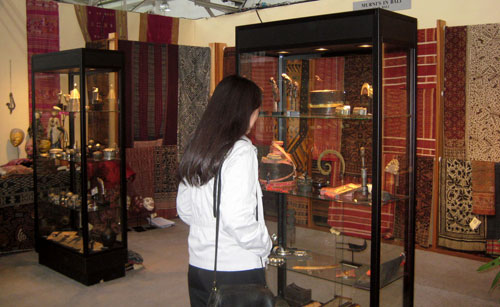
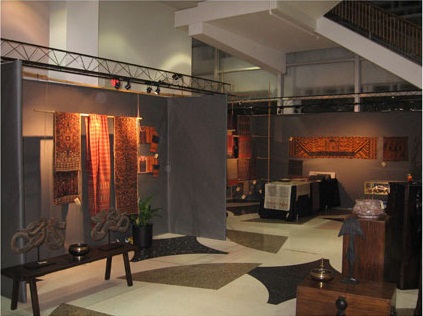
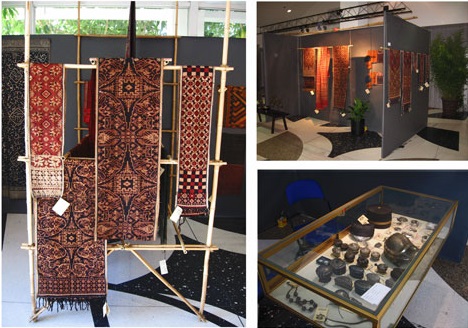
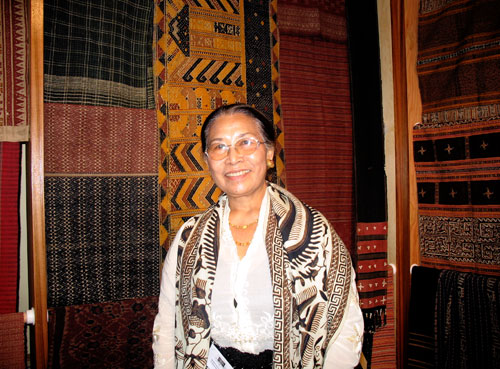
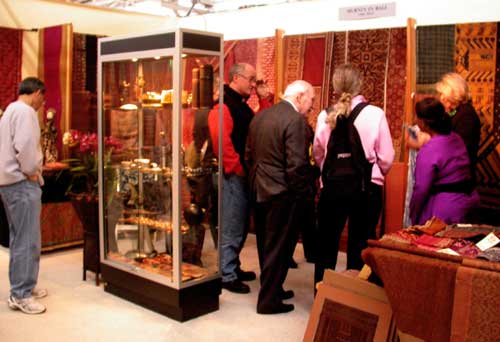
San Francisco Tribal and Textile Arts Show February 2009 saw Murni attend and exhibit part of her collection of Asian Textiles. It is undoubtedly the most highly respected textile show in San Francisco and a great honour to be able to participate.

San Francisco Tribal and Textile Arts Show February 2009

“The best show in the city for the collector, connoisseur and the curator of ethnographic material”

line
San Francisco Tribal and Textile Arts Show February 2009

Murni had a very successful exhibition in 2009.

line

San Francisco Tribal and Textile Arts Show February 2009

line

San Francisco Tribal and Textile Arts Show February 2009

line

San Francisco Tribal and Textile Arts Show February 2009

San Francisco Tribal and Textile Arts Show February 2009

line


San Francisco Tribal and Textile Arts Show February 2009

San Francisco Arts of Pacific Asia Show, 2009

San Francisco Arts of Pacific Asia Show, 2009

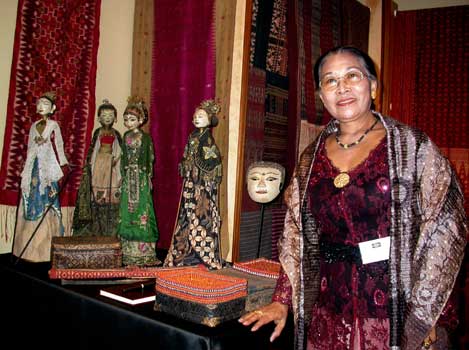
This was a return visit by Murni to the leading show of Asian arts. She displayed her textiles, puppets, masks, books, jewelry, baskets and tribal pieces.
Again it was a thrilling experience and very successful.

San Francisco Arts of Pacific Asia Show, 2009

Exceptional Asian Art and Artifacts of the Peoples of the Pacific and Mainland Asian Region.

line

San Francisco Arts of Pacific Asia Show, 2009Murni had a very successful exhibition in 2009.

line

San Francisco Arts of Pacific Asia Show, 2009

line

San Francisco Arts of Pacific Asia Show, 2009

line

San Francisco Arts of Pacific Asia Show, 2009

line

San Francisco Arts of Pacific Asia Show, 2009

line

San Francisco Arts of Pacific Asia Show, 2009

line

San Francisco Arts of Pacific Asia Show, 2009

Los Angeles Asian and Tribal Art Show, November 2008

Los Angeles Asian and Tribal Art Show, November 2008

Murni was invited  to exhibit some more pieces from her collection at the Los Angeles Asian and Tribal Art Show, November 2008. This followed on from the success of the San Franciscan Show in 2007.

The Los Angeles Asian and Tribal Art Show was widely attended by many dealers and collectors and was a great success. It established Murni’s reputation in the United States and abroad.

Los Angeles Asian and Tribal Art Show, November 2008

Murni exhibited at The Los Angeles Asian and Tribal Show

14 – 16 November 2008

line

Los Angeles Asian and Tribal Art Show, November 2008

line

Los Angeles Asian and Tribal Art Show, November 2008

MorYork Gallery, Los Angeles, October 2008

MorYork Gallery, Los Angeles, October 2008

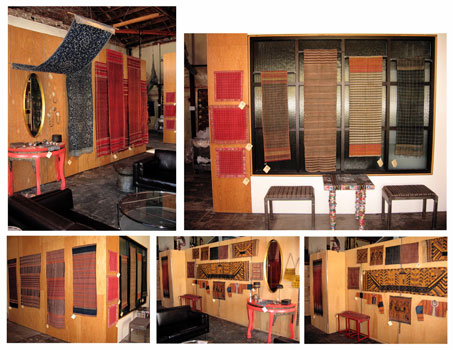
MorYork Gallery, Los Angeles, October 2008Murni was invited to display her museum quality new and antique textiles and other tribal pieces at the MorYork Gallery, Los Angeles, on Sunday, October 19, 2008.

This rare opportunity was arranged to coincide with the symposium Talking Cloth: New Studies on Indonesian Textiles at the Los Angeles County Museum of Art on Saturday, October 18, 2008, held in conjunction with the exhibition Five Centuries of Indonesian Textiles: Selections from the Mary Hunt Kahlenberg Collection on view from September 18, 2008 through September 13, 2009.

MorYork Gallery, Los Angeles, October 2008


MorYork Gallery, Los Angeles, October 2008

San Francisco Arts of Pacific Asia Show, February 2007

San Francisco Arts of Pacific Asia Show, February 2007

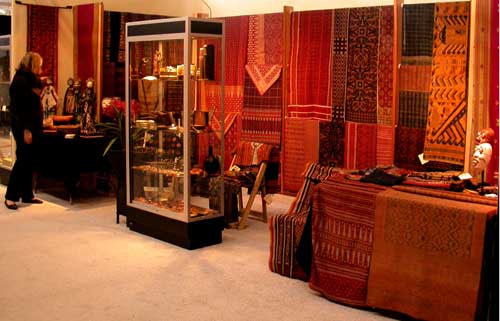
This was Murni’s first show abroad. She joined over 100 international dealers in tribal arts,  textiles, antiques and other ethnic pieces.

Her booth looked beautiful and was widely admired. Many of the pieces she exhibited were of museum quality and attracted a lot of attention.

It was hard work but very rewarding and she made a lot of new contacts as well as seeing many old friends.

San Francisco Arts of Pacific Asia Show, 2009

Exceptional Asian Art and Artifacts of the Peoples of the Pacific and Mainland Asian Region.


Murni had a very successful exhibition in 2007.

San Francisco Arts of Pacific Asia Show, February 2007


San Francisco Arts of Pacific Asia Show, February 2007


San Francisco Arts of Pacific Asia Show, February 2007


San Francisco Arts of Pacific Asia Show, February 2007

Ubud is Just Getting Better and Better

Ubud is Just Getting Better and Better

Ubud is Just Getting Better and Better

A look at Bali’s Artistic centre, past, present and future.

Ni Wayan Murni
Hello Bali, January 2005

In the early Thirties, Miguel Covarrubias came to Bali, and said, “Undoubtedly Bali will soon enough be spoiled for those fastidious travellers who abhor all that which they bring with them.” Well, Ubud hasn’t been spoiled. Ubud is just getting better and better. Covarrubias got it wrong.

I am a Balinese baby boomer. When I was growing up in Ubud, just after the Second World War, our lives were hard. We didn’t have much. Not being able to afford pure rice, we added corn, jackfruit and sweet potatoes. Our protein was from rice-field eels, dragonflies or frogs.

Ubud is Just Getting Better and Better

Now, in Ubud, there are 24-hour supermarkets. A brand new one has just opened close to my restaurant. It has everything – well, nearly everything; it doesn’t have rice-field eels and dragonflies but it does have frogs!

Ubud is Just Getting Better and Better

When I was six, we were lucky to go to school. It was hard. Now all kids go to school. That is good. Many children go to university and some go abroad. Computer classes are available in Ubud for local children. That is progress.

Ubud is Just Getting Better and Better

There is progress for tourists too. Ubud has always welcomed tourists. There are excellent courses for them: cooking, batik painting, silver jewellery making, woodcarving, stone carving, gamelan and yoga. There are nightly entertainments and five dance groups perform regularly.

Ubud is Just Getting Better and Better

Ubud was a leafy place in my childhood. Tall lychee trees lined the main road. Where Ibah Hotel now is, mango trees grew and where Ary’s Warung now is, there were jambu trees.

Ubud is Just Getting Better and Better

Monkey Forest Road was a dirty, muddy track with rice fields on each side. Every day you would see farmers carrying produce on their shoulders and ducks on the way to the rice fields. At night you would hear frogs croaking and see fireflies flashing.

Ubud is Just Getting Better and Better

Nobody, apart from the Royal family, owned a car; most people walked. If you were lucky, you had a bicycle. I, and a group of friends, had bicycles. We cycled over pot-holed roads down to Sanur to sell our wares to cruise ships. In the evening we cycled back.
Now many families have cars. In fact, most do, and Ubud has a traffic problem. I was the first woman driver in Ubud. Originally only men drove cars. One small step for women! That was in 1976.

Ubud is Just Getting Better and Better

There have been other advances. Many activities were reserved for men; even painting, for which Ubud is famous, was traditionally a male preserve. When Puri Lukisan Museum opened in Ubud in 1972, all the exhibits were by men. Now there are many women artists and Seniwati Art Gallery, started in 1991 by Mary Northmore, is dedicated to women.

Ubud is Just Getting Better and Better

Gamelan music was exclusively male. In the last twenty years or so, several women’s gamelan groups have formed. My own group plays all over the island.

Ubud is Just Getting Better and Better

Our traditional ceremonies bring the arts together; their purpose is to please the gods and men. In my young days, there wasn’t the money to create lavish displays. Now, in Ubud, there are frequent ceremonies: maybe six gamelan groups, numerous dancers, shadow puppets, thousands, dressed in the finest Balinese textiles, attend our ceremonies.

Ubud is Just Getting Better and Better

Over my lifetime, and especially recently, there has been rapid development. When I opened my restaurant in 1974, there was no electricity – not until 1978. It was hard to keep beer cold but candles and kerosene lamps created an atmosphere beyond compare. Now, reputedly, there are over 300 restaurants in the area.

Ubud is Just Getting Better and Better

In 1974 there were only two hotels: the Tjampuhan and the Menara but everyone stayed at the Tjampuhan. Now there are many wonderful hotels and fabulous villas. There are hundreds of shops – including my own.

Ubud is Just Getting Better and Better

However, the time has now come to limit development; we don’t need any more shops, hotels, restaurants or supermarkets and we should concentrate on our strengths and our traditions.

Ubud is Just Getting Better and Better

In November we had a very successful Writers and Readers Festival and I am pleased that it is planned to make this an annual event. In December there was the Global Healing Conference at ARMA, which Desmond Tutu attended. We also launched the 50th anniversary of the book Dancing Out of Bali by John Coast at Murni’s Warung, where the star of the book, dancer Ni Gusti Raka, danced and signed copies.

Ubud is Just Getting Better and Better

I believe that for the future, we should focus on events such as these, and, of course, the temple ceremonies and exhibitions.

Murni
Ubud, Bali

Ubud is Just Getting Better and Better

Another Day Another Dance

Another Day Another Dance

Ni Wayan Murni
Natural Guide to Bali, 2005

Balinese dances – and indeed the other performing arts in Bali – have a religious background.

Dances are offerings to the gods and ancestors – staged to please and entertain the deities at religious ceremonies to which they have been invited by the priests. Visitors to Bali have a very good chance of seeing one and they certainly should.

Dances also accompany rites of passage, which mark a turning point in a person’s life, such as baby ceremonies, tooth-filings, weddings and cremations. There are exciting dances at exorcism ceremonies, held to rid the place of disruptive forces. Sensational dances are performed at times of crisis, such as epidemics, famines and plagues. At these events dancers, and sometimes even spectators, fall into trance.

Some dances have a story, often based on the old Indian epics, the Ramayana and the Mahabarata. It is almost impossible for the first time spectator to follow the plot. Boys dance girls’ parts, girls dance boys’ parts. You cannot tell which are which. Both wear heavy make-up. The same person may dance several roles and scenes change with the barest of announcements. It‘s best just to sit back and enjoy the extreme beauty of the movements, the expressions and the dazzling costumes. Lose yourself in the subtle, intricate, wonderful, percussive sounds of the gamelan orchestra.

Dances are classified into the sacred and the secular. Sacred dances are for the gods and secular dances are for humans. Sacred dances are sub-divided into the very sacred and the ceremonial. The very sacred (wali), like the pendet, gabor, baris gede and the masked dance, topeng pejegan, take place in the holiest, inner court of the temple (jeroan) and the ceremonial dances (bebali), like the Ramayana and gambuh, take place in the middle courtyard (jaba tengah). Sacred and ceremonial dances usually take place when the priest is conducting the rituals and the temple is milling with people. At the same time, a shadow puppet performance (wayang kulit) may also be going on.

Secular dances take place in the outer part of the temple or even outside. Popular examples are the legong, kebyar and the lively solo baris tungal. New dances tend to fall into this category, and although often created initially for Western consumption, the Balinese quickly adopt them as their own. Examples are the famous kecak (monkey dance), which was choreographed by Walter Spies and Katharine Mershon in 1931 for a German movie “Island of the Demons” – they based it on old Balinese trance dances; the oleg tumulilingan (bumblebee dance), created by local choreographer, Mario of Tabanan, for the Peliatan dance troupe’s tour of Europe and America in 1952; and the new genggong (frog dance), a favourite among children.

Balinese dances are not about individuals. The story is not the important thing. It’s the rhythm, the atmosphere and the feeling for space. The characters exist in their own formal, spiritual world. There are stock characters, who represent respected or not so respected qualities. The king and queen are nearly always refined or halus. The king’s ministers may or may not be refined. The witch and the monster are coarse or kasar. They all have their own stylized movements, their own dress and speak in Kawi, an old language that few understand. The only individuals are the clowns, who improvise, joke, and explain to the audience in Balinese what is happening on stage.
The gestures in Indian dancing tell a story, but not in Bali. Faces are like masks. Emotion is underplayed. Gestures are purely abstract, although a few have dramatic meanings. Shading the eyes with the hand indicates weeping. First and second fingers pointing at the end of a stiffly extended arm is a gesture of anger or denunciation. Eyes move quickly from side to side to stress the rhythms and accents.

The best place to see dances and listen to the gamelan is in their proper setting, in one of the many temples. The temple, private or public, will be packed with people in splendid Balinese attire. White-clad priests will be intoning mantras, ringing bells and muttering prayers. Ladies will be carrying offerings of fruit and flowers on their heads and placing them on special pavilions. The moon and the stars will illuminate the proceedings.
Many hotels and restaurants put on tourist dances. These can be enjoyable, but lack the magical, natural beauty of a temple. Many tourist villages also have shows. The best are in the Ubud area. I am from Ubud, so I would say that, wouldn’t I? But, it’s true. The dance troupes in Ubud Palace and Pura Dalem are of international standard and frequently go abroad. There is a policy of rotating them as much as possible to prevent them getting stale

There are dances four times a week in the beautiful Pura Dalem temple, next to my shop, Kunang-Kunang II. The temple is softly lit by small lamps of coconut oil, in the traditional way. There is a great kecak, fire and trance dance on Mondays and Fridays at 7.30 pm, a barong and kris dance on Thursdays at 7.30 pm, and a dramatic jegog bamboo orchestra (with dances) on Wednesdays at 7.00 pm.

Murni
Ubud, Bali

Another Day Another Dance

Buddhas in Bali

Buddhas in Bali

Buddhas in Bali

Ni Wayan Murni
Hello Bali, February 2005

Visitors to Bali see Buddha images everywhere. They are often moved and inspired by them but wonder what they mean. They all look alike, but are subtly different.

Bali is predominantly Hindu but has long had a connection with Buddhism and, following contact some 2,000 years ago with various Indian influences, is the last surviving Hindu-Buddhist civilisation in Indonesia.

Inscriptions dated 9 AD have been found, which mention Tantric and Mahayana Buddhism. There are stone statues and references to Buddhist monks and monasteries.

Buddhas in Bali

Some time between the 14th and 19th centuries, the Buddhist monasteries came to an end and eventually the various Hindu and Buddhist sects, whose beliefs were similar, merged into Bali-Hinduism.

Buddha was born into a royal family in Lumbini in south Nepal in the sixth century BC. He lived a life of luxury, married and had a son.

Buddhas in Bali

One day he met an old man, then a sick man, then a dead person. They represent suffering. Later he came across a wandering monk with a shaven head, dressed in a yellow robe, begging for alms. He saw tranquillity in the monk and decided to renounce the World and live the same way.

When he was 29, he left home in the middle of the night, on a horse, and travelled to a forest where he fasted. Some images show him in an emaciated state with his ribs showing. He decided that suffering was not the right way and enunciated his doctrine of the Middle Way: moderation in all things.

Buddhas in Bali

The earliest human Buddha images were made in the first century AD in Gandhara, a kingdom encompassing parts of Pakistan and Afghanistan. Greco-Roman art had a great influence there, which is evident in the Buddha’s toga-like robes, wavy hair and young features.

Buddha’s physical characteristics indicate his qualities and episodes in his life.

Buddhas in Bali

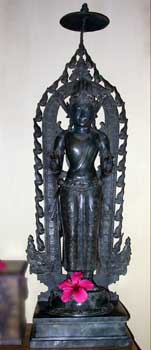
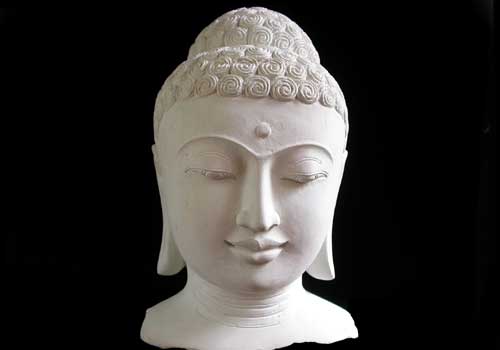
The bump on his head, the ushnisha, indicates supreme wisdom; the hairy mole between his eyes, the urna, supernatural vision; his short, tight, curly hair his renunciation of the World; and his long pierced earlobes his nobility. Indian royals wore heavy earrings, which stretched their ears. Sometimes the ushnisha takes the form of a flame, which symbolizes illumination.

Buddha’s skin is always unblemished and he wears a monastic robe, either open, leaving the right shoulder bare or draped over both shoulders.

Buddhas in Bali

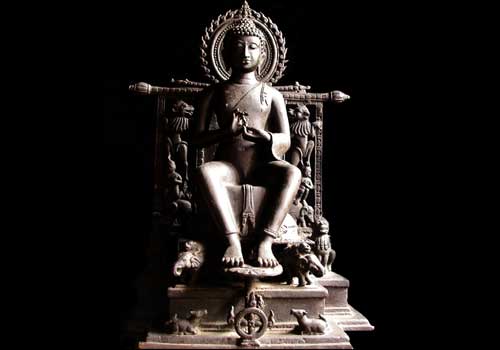
In Bodh Gaya, Bihar, in northeast India he meditated for 49 days under a bodhi tree. During that time, Mara, the god of desire, tried to tempt him. Finally Buddha asked the Earth goddess for help by touching the earth with his right hand. She roared, “I am his witness,” and defeated Mara. At that moment Buddha overcame desire and attained Enlightenment, which Buddhists call Nirvana. Buddha images show him sitting in the lotus position, right hand extended down, palm inwards, middle finger touching the ground, left hand in his lap.

After a while, Buddha gave his first sermon to the World. It was in the Deer Park at Sarnath in northern India and is called ‘Setting the Wheel of the Law in Motion’. It marks the beginning of Buddhism as a faith. Images show Buddha, hands at his chest, each forming a circle with thumb and forefinger with the ends of the fingers of the left hand resting against the palm of the right.

Buddhas in Bali

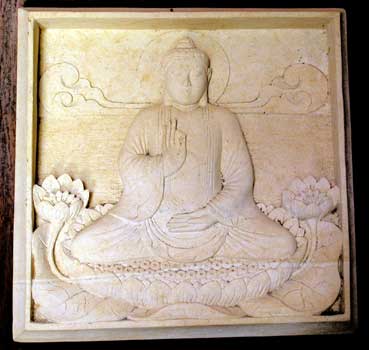
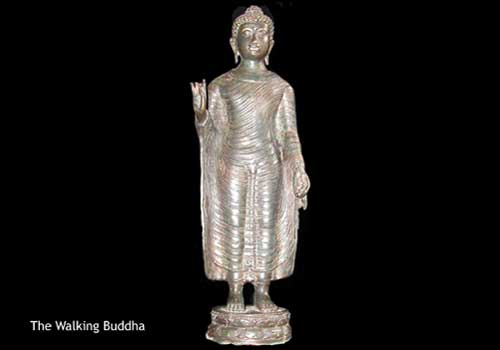
Buddha then travelled around India, preaching, meditating and performing miracles. Images show him walking, right hand raised, arm bent, palm outwards, fingers pointing upwards, in the gesture of fearlessness.

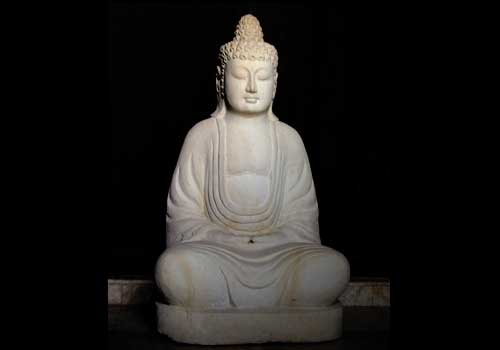
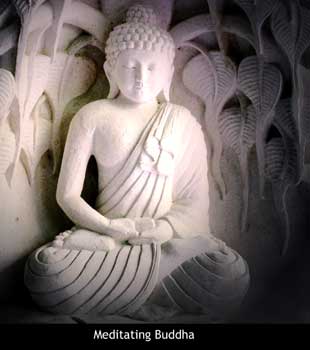
The meditating Buddha is tranquil, back straight, in the lotus position, hands in his lap, right hand resting on his left, palms upwards, fingers extended, thumbs touching, eyes half-closed and with a hint of a smile; suggesting that he understands everything.

Buddhas in Bali

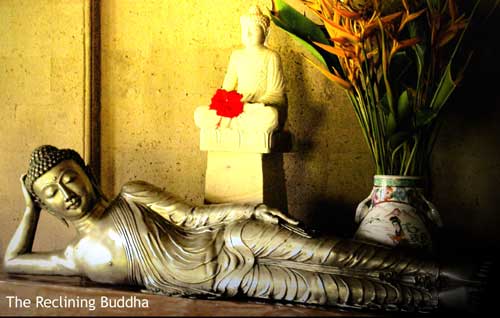
When he was 80, probably in 483 BC, Buddha died in a grove of trees near Kushinagara in northern India. He lay on his right side, head resting on his right hand, left hand on left hip, a peaceful expression on his face and accompanied by some of his disciples. The reclining posture always refers to his death; his final release.

Buddha images are usually on a throne shaped like a lotus, a symbol of purity and perfection. Just as the lotus has its roots in mud and filth and can grow into a beautiful flower, so can a person who follows the Buddha’s path reach Enlightenment.

Buddhas in Bali

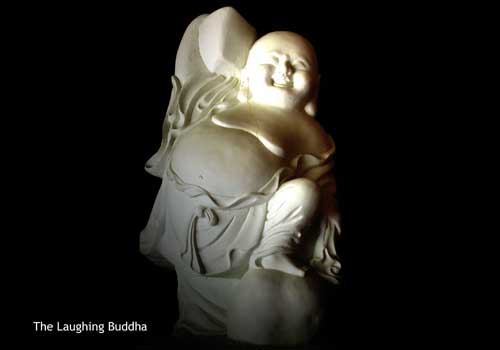
Following his death, Buddhism spread to many countries and many Buddha forms came into existence. Perhaps the most popular is the Laughing Buddha. He is represented as a monk with a bald head, big smile and large, prosperous belly. He keeps a bag full of treasures beside him, and beams, “Don’t worry, be happy!” but is this man really a follower of the Middle Way?

Murni
Ubud, Bali

Buddhas in Bali

Treasures of Bali

Treasure of Bali Book Review

Treasures of Bali, A Guide to Museums in Bali
written and edited by Richard Mann
Gateway Books International, 2006


Treasures of Bali

Murni’s in Bali

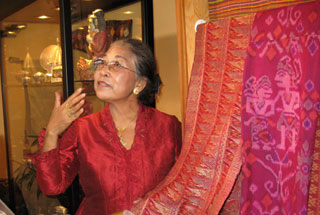
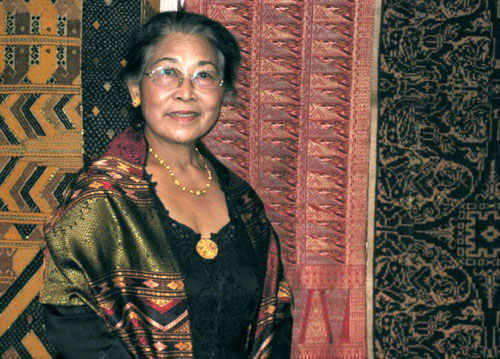
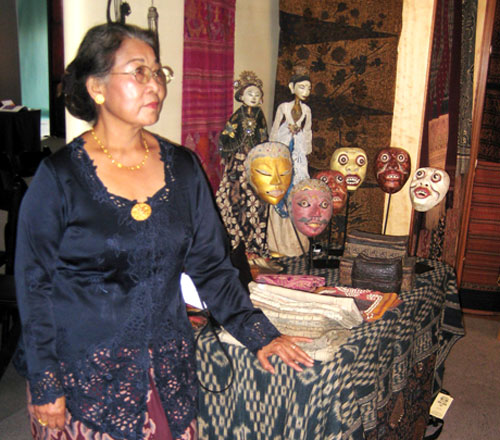
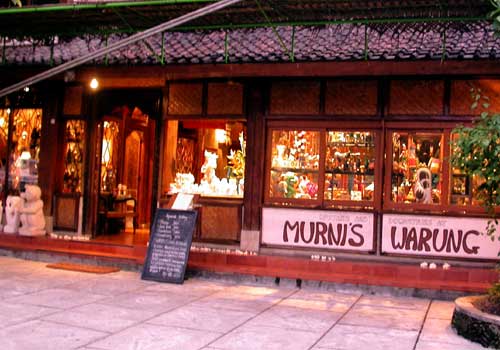
Murni was the first person to have a proper gallery of antiques, textiles, costumes, old beads, tribal jewelry, stone carvings, masks and other ethnic pieces in Ubud. She started her shop at the same time as her famous restaurant, Murni’s Warung, overlooking the Campuan River in 1974. She is Balinese and understands Balinese culture thoroughly.

Her sources are the best and she is still the first person that dealers generally visit when they come to Bali from the other islands in Indonesia. Murni travels extensively collecting unique treasures from as far afield as Afghanistan, Turkmenistan, Cambodia, Thailand, Vietnam, Burma, China and Laos. Those she doesn’t keep herself find their way into her shop. Many of her pieces are museum quality but she also has reproductions to suit every budget.

Part of the pleasure is to meet Murni herself and chat about her lifetime of collecting. Her Villas and restaurant are decorated with items from her personal collection.
Murni’s Warung and Shop
at the Campuan Bridge
Campuan-Ubud
Bali

Daily: 9am-10pm
Tel: (62) 361 972146
Fax: (62) 361 972146 or (62) 361 975282

Treasures of Bali

Healing Performances of Bali

Book Review

Ni Wayan Murni
Hello Bali, July 2006

Healing Performances of Bali
Angela Hobart
Berghahn Books, 2005


As far as I know this is the first book of its kind. It is a study of the traditional healers whom we in Bali do not often speak about but all visit from time to time. I met Dr Angela Hobart on one of her many trips here and was delighted to learn that she speaks High Balinese. This is rare for a Westerner as it is not an easy language. It is, however, a vital attribute to carry out research into this arcane area properly.

There are many types of traditional healers in Bali, who are mostly consulted at times of illness or trouble. They are a bridge between the seen and the unseen worlds and are highly esteemed by us. Whereas Western trained doctors cure illnesses from natural causes, traditional healers or ‘balian’ cure illnesses from supernatural causes. They communicate with the spirits of the unseen world through trance.

They are also consulted on the causes of family problems. We believe that such matters have specific causes and the balian can ascertain them. Angela Hobart sets out a number of case studies and explains the rituals and mechanisms at work. She also examines the wider healing processes of whole villages through a discussion of the roles of the Barong and Randa masked figures during religious ceremonies.

Balian advise how to rectify mental or physical problems. There is no conflict between the work of a balian and a scientifically trained doctor. If we suspect our illness has been caused by the unseen world, we go to a balian and if we suspect it comes from the seen world, we go to a doctor. As Angela Hobart points out, they refer patients to each other. She sets out a table of their separate roles.

Balian often prescribe herbal medicines, provide amulets for the patient to wear and hand out protective drawings with sacred syllables on them. Angela Hobart says that knowledge about traditional medicine is dying out. It is a lot easier to go to the pharmacy and get a pill than make up concoctions of roots and leaves mixed with egg white and honey.

Many people are sceptical about traditional healers but balian do have successes. Patients believe in them and that goes a long way. Angela Hobart explains that they can shift a patient’s consciousness and change his attitudes, so that he engages more fully with his family, enemies and community. After a session the patient or victim of bad luck sees things differently. He’s on his way to being cured. She gives various examples of successful treatments.

Even in the West placebos work in mysterious ways in curing various illnesses. A person’s beliefs and hopes about a treatment can have a significant biochemical effect. It seems to be a case of mind over molecules. Changed behaviour and attitudes, how one feels, and how one acts, can even affect one’s body chemistry.

I am pleased that Angela Hobart has written this interesting book and highlighted the balian’s role in Bali. Few tourists who see the lion-like Barong parade through Balinese villages to the sounds of the gamelan orchestra appreciate the forces at stake, but if they read this book, they will. I also hope that it is read by those who may be able to support the role of the balian in Balinese society.

Murni
Ubud, Bali

Healing Performances of Bali

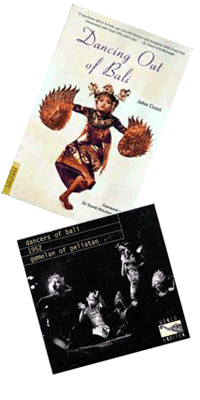
Dancing Out of Bali and Dancers of Bali: Gamelan of Peliatan, 1952

Dancing Out of Bali and Dancers of Bali Gamelan of Peliatan, 1952Dancing Out of Bali and Dancers of Bali: Gamelan of Peliatan, 1952

Ni Wayan Murni
Hello Bali, August 2006

Dancing Out of Bali and Dancers of Bali: Gamelan of Peliatan, 1952. Laura Rosenberg has done it again. First, the book, which we heartily applauded, and now, by way of an encore, the CD. Both are great. Most visitors see several Balinese dances during their stay in Bali and many of them see the Bumblebee Dance. The stars are two delightful bumblebees.

The lady bumblebee has long wings, which she stretches out in all directions. The dance was choreographed by Mario, the famous dancer from Tabanan, for John Coast’s tour of Europe and America in 1952.

The show caused a sensation and so did the dance. The lady bee flits and flirts from flower to flower. A young male bee appears and they dance around each other and finally lightly embrace.

It is very touching and was the first time that a woman had lifted her arms above her shoulders. It raised eyebrows. The dance is now firmly established in the repertoire and just called ‘Oleg’.

The show featured other dances and music too. The group, who had never been out of their remote village of Peliatan, near Ubud, left Indonesia on 21 August 1952 and flew the 8,000 miles from Jakarta to London in four days.

The next day they danced at The Winter Garden Theatre in London’s West End. It was a full house and there were rave reviews. Little 12-year old Raka, the lady bumblebee, was a star overnight.

In September, they flew on to New York. The Fulton Theatre, Broadway, was sold out for seven straight nights. Everyone courted them. Richard Rodgers, who put on South Pacific with its famous Bali Hai song, came to the show. Ed Sullivan televised parts of the Bumblebee Dance and the Monkey Dance to an audience of 30 million. The American comic actor Joe E. Lewis commented to Ed Sullivan, ‘I think they were on something’.

Then they were off to Boston, Philadelphia, Newark, Washington, Cleveland, Cincinnati, St Louis, Chicago, Las Vegas and Los Angeles.

After the tour John Coast wrote Dancing Out of Bali, which tells the story of how he brought the troupe of 44 dancers and musicians from Peliatan to London’s West End and New York’s Broadway.

I remember hearing about a white man in the Fifties, Tuan Coast, living in the area where I was going to school, near Denpasar. I used to see him driving about in his battered old jeep. I had no idea what he was doing, but I do now.

Every person I know likes the book. It is a great introduction to anyone visiting the island and describes many aspects of Bali’s culture and beautifully depicts Balinese ceremonies, dances and music.

Laura Rosenberg, John’s companion and my great friend, arranged for Dancing Out of Bali to be reprinted in 2004 to coincide with the 50th anniversary of the English edition.

She has now persuaded World Arbiter to reissue the original Columbia Records LP Dancers and Musicians of Bali. You can read the book while listening to the music.

The performances are the first modern recordings made of a gamelan orchestra. It is lively, loud and frenetic; 66 minutes 16 seconds on a digitally restored CD, originally recorded in September 1952. The 6 minutes’ Kebyar composition, which accompanied the Kebyar Duduk dance, is very different from the version used today and therefore historically interesting.

The gamelan was under the direction of Anak Agung Gede Mandera. His family continue the tradition today in Peliatan.

There are 9 tracks:

Overture – Kapi Radja (melody from North Bali), Angklungan (an experimental piece), Oleg Tumulilingan (bumblebee dance), Baris (warrior dance), Gambangan (an ancient melody), Kebyar, Gender Wayang: Angkat-Ankatan (music for shadow play) and Legong (both versions – the New York studio recording and one (live) from Winter Garden Theatre, London).

There is a 24 page booklet of detailed notes, photographs and bibliography. Laura Rosenberg writes a note on John Coast and the John Coast Foundation (www.johncoast.org ), which was formed to further his dream of disseminating and preserving traditional Balinese culture.
I heartily recommend both the book and the CD.

The CD:

Dancers of Bali: Gamelan of Peliatan, 1952
Under the direction of Anak Agung Gede Mandera
Produced by John Coast
World Arbiter

The Book:

John Coast
Publisher: Periplus Editions
Date: 1954, reprinted 2004
ISBN: 0794602614
Pages: 256
Order Number: BOOK2

Dancing Out of Bali and Dancers of Bali: Gamelan of Peliatan, 1952

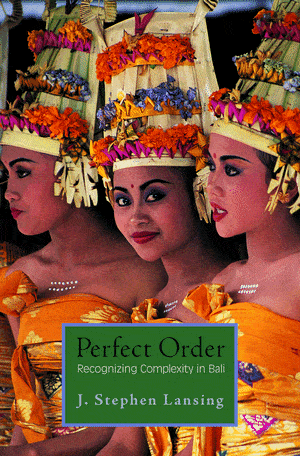
Perfect Order Recognizing Complexity in Bali

Perfect Order Recognizing Complexity in Bali

Book Review

Ni Wayan Murni
Hello Bali, September 2006

Perfect Order
Recognizing Order in Complexity
J. Stephen Lansing
Princeton University Press


Perfect Order Recognizing Complexity in Bali. If someone mentions ‘Bali’ one of the first images that will come into your mind will probably be rice terraces. The first Austronesian colonists introduced rice to the coastal regions of Bali several thousand years ago, but it was by no means certain that rice cultivation would expand into the rugged interior of the island. Ancient Balinese farmers had to find ways to move massive amounts of water through kilometres of solid rock. Water is necessary for wet rice agriculture. They had to perfect a new engineering system constructing canals, tunnels and aqueducts and they did.

Having done that they had to devise a workable and fair scheme for sharing the water. Those farmers downstream are at the mercy of the farmers upstream as they control the water flow. It was done through the subak irrigation societies, which are first mentioned in the 11th century, and the network of water temples. The subaks are very democratic societies and everyone who owns a rice paddy must belong to one.

The Dutch and their successors, the Indonesian government, did not understand the power of the water temples. It was not until well into the 1980s that the role of the water temples in setting cropping patterns and controlling irrigation was appreciated, thanks largely to the American anthropologist Stephen Lansing. The Green Revolution, which had its benefits, caused chaos in Bali as the water temples were ignored totally. Pests got out of control.

In this book Stephen Lansing describes his field research over a number of years. He and his team interviewed and videotaped many farmers in the subak organisations in the area around Pujung, which is not far from Ubud, where I live, and describes various conflicts that arose. He tested the decisions made using computer simulations and found that the decisions made were the best that could be made in the circumstances. He was intrigued, however, about the human element. After all it is very tempting for greedy farmers upsteam to keep more water for themselves and grow more rice. What is to prevent them doing that? He discovered that if they did it would result in more pests so it would not be in their interests to do so.

Stephen Lansing has a vast knowledge of Bali and has written many papers and other books about Balinese life. He writes in the clearest language and goes off on various tangents from time to time – always fascinating subjects such as human sacrifices, rat cremations, witchcraft and how they abolished caste in Pujung.

The supreme water temple is Ulun Danu Batur on the rim of Mount Batur. This is the second most important temple in Bali where Dewi Danu, the Goddess of the Lake resides. She refused to accept marriage and subordination to her brother and founded her own temple where she could be independent. It is a unique temple in many respects.

Stephen Lansing has spend a considerable time researching it and writes an intriguing chapter describing the forty-five deities of the temple, the trance mediums, who are ideally opposite-sex twins, the twenty-four male priests, half of whom are regarded as female, and the twenty village Elders, the four most senior of which may go through a ‘marriage’ ceremony to each other, but have not done so for the past century.

I would recommend this book to anyone who wants to get a good understanding of matters that are not generally apparent to the ordinary person, whether they are Balinese or just visiting Bali for a short time.

Murni
Ubud, Bali

Perfect Order Recognizing Complexity in Bali

The Ethnomusicologists’ Cookbook Complete Meals from around the World

Book Review

Ni Wayan Murni
Hello Bali, October 2006

The Ethnomusicologists’ Cookbook
Complete Meals from around the World
Sean Williams
Routledge, 2006


The Ethnomusicologists’ Cookbook Complete Meals from around the World. You will make friends and influence people with this book. You will be able to invite friends to amazing dinner parties at which you can serve food from all corners of the World and impress them with your knowledge. The World is divided into nine sections: Africa, East Asia, South Asia, Southeast Asia, Middle East, South and Central America, North America, Oceania and Europe. Each section has between three and nine contributions, forty-seven in all, mainly from eminent ethnomusicologists and those, like me, interested in food. Each contribution is a complete meal for six people. That should keep you going for about a year without repeating yourself.

Start off somewhere exotic like Tonga. After 3½ hours you could be serving ‘Otai’ a coconut fruit drink to welcome your guests, followed by ‘Ota Ika’ a tasty dish of raw fish seasoned with lime juice, onions, garlic, chili pepper and tomatoes, and ‘Lupulu’ which are baked packets of taro or spinach leaves containing corned beef, fish or chicken (the Tongans like corned beef the best), Puaka Ta’o, baked roast pork and sweet potatoes, finished off with tropical fruits, ice-cream and fruitcake.

For your next dinner party go to Estonia and try the recipes for cucumber salad, beet and herring salad, sauerkraut, blood sausage and creamed semolina on fruit soup. All good peasant fare. Helpfully drinks are also recommended: Saku brand beer and juniper berry soda. Have some bread too. Bread is sacred in Estonia and giving the heel to a young woman will ensure that she has large breasts.

Take your friends on a trip to Namibia and treat them to ‘Braaied’, grilled goat or lamb chops, ‘Mahangu’, sorghum or maize meal porridge with a spicy tomato sauce, ‘Ekaka’, fresh spinach and Oshikuki, doughnuts or pumpkin fritters. These recipes are from Minette Mans’ 88-year old Namibian mother.

I was flattered to be asked to contribute the Balinese section. I provided my family recipes for ‘Base Genep,’ which is a spice paste used in many dishes, ‘Babi Kecap’, pork in kecap sauce, which is eaten during the Balinese ceremonies of Galungan and Nyepi, ‘Lawar’, spicy green beans, which accompanies all ceremonies, ‘Nasi Putih’ steamed rice, ‘Krupuk Udang’, shrimp crackers, ‘Tahu Goreng’, fried tofu, and ‘Pisang Goreng’, banana fritters. We serve most of these in my restaurant in Ubud, which Sean Williams frequented every day during her visits to Bali in the 1980s.

Every contributor was asked to write a bit about the role of music and food in their society. The links between music and food are strong and it is interesting to compare them. This is the first book of its kind and may be responsible for creating a new subject which Sean Williams calls gastromusicology. She is a Professor of Ethnomusicology at The Evergreen State College in Olympia, Washington, and has studied Indonesian and Irish music since the 1970s. She contributed the recipes from Sunda, West Java and Ireland.

Not only are there anthropological essays with each contribution but there is also recommended listening. So you can entertain your guests with CDs of music from the gastronomic region of the moment. Further, there are recommended reading lists and internet sites to allow you to go into greater depth on your own and really impress your friends. Not just that but we were all asked to contribute a proverb. Mine was ‘Nasi sudah menjadi bubur’ (literally ‘The rice has already become porridge’) or ‘There’s no use crying over spilt milk’. From Bolivia: ‘The angrier the cook, the spicier the dish’. Northern Ghana: ‘Eat the same food every day so you know what killed you’. Egypt: ‘An onion from a dear one is worth more than a goat’. Judeo-Spanish Morocco: ‘She went to buy cilantro and came back nine months pregnant’.

Sean Williams has thought about it all. She’s aware that there are vegetarians and vegans out there and people who keep kosher. For them there’s a helpful chapter called ‘I’m not eating that!’ It gives dietary modifications. She’s also created a special page on her web site which has more information about the meals and printable shopping lists so that you don’t have to copy down all the ingredients before you go out shopping (http:// academic.evergreen.edu/w/williams/cookbook.htm).

The one criticism I have about the book is the lack of colour photographs (apart from the glorious cover). I rather think they are essential for a cookbook, but I understand that they increase the printing costs enormously. Sean Williams’ web site, however, contains colour photographs of the dishes, which at least is some compensation.

Finally, I must mention the great tag line on the back cover: ‘It’s Chapati and I’ll Fry if I Want to!’. Alternatives, also from Indian cooking, which almost made it, were: ‘My Pappadum Told Me, ‘Oh, You Beautiful Dal,’ and ‘Paperback Raita.’

I recommend this book warmly to delight body and mind and all the senses.

Murni
Ubud, Bali

The Ethnomusicologists’ Cookbook