Antique Betel Chewing Items
Betel or sirih chewing in Southeast Asia goes back to prehistoric times, at least 5,000 years ago . Skeletons of people chewing betel, dating to around 3000 BC, have been found in the Duyong Cave in the Philippines. The earliest European reference was in the 13th century by Marco Polo , who wrote that the people of India always had a quid in their mouths.
All sections of society enjoyed it, both men and women. Dutch colonial administrators in Batavia (now Jakarta) in the Dutch East Indies, Ceylon (now Sri Lanka) and South India adopted the habit and they too commissioned betel nut sets. They quickly realised that it was an essential part of local hospitality and contemporary paintings often depict betel boxes.
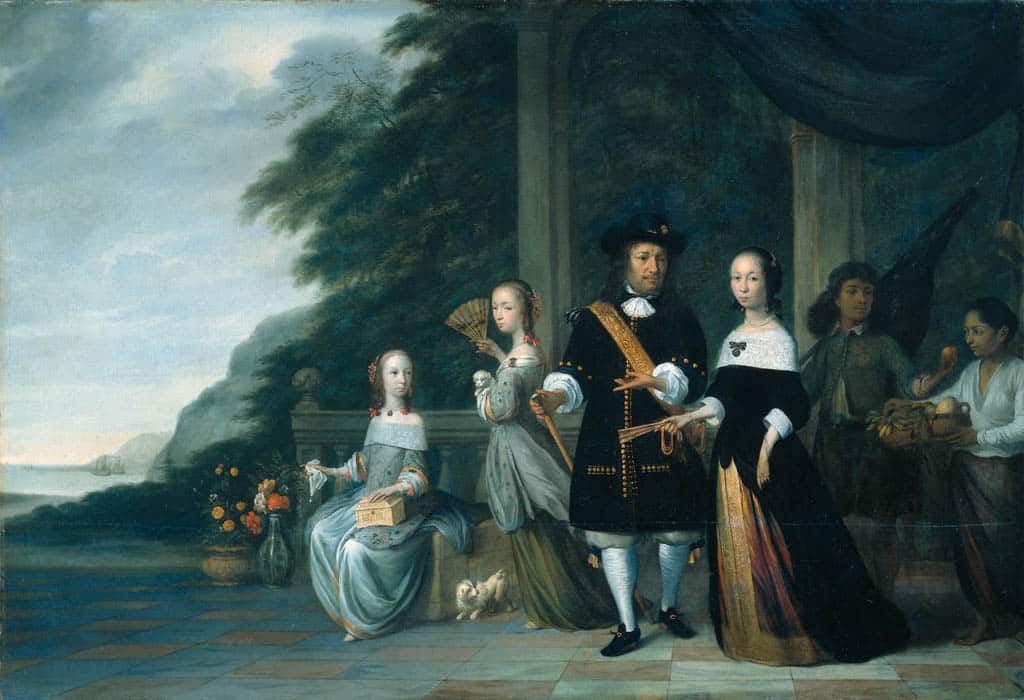 Portrait of Pieter Cnoll and his family 1665, Jacob Jansz Coeman (1651–1676). Rijksmuseum, Amsterdam. They lived in Batavia. The daughter on the left is holding a jewelled betel box.
The highest-ranking Dutch East India Company official in Asia, the Governor-General of Batavia, who presided in the Castle of Batavia, a fort built by the Dutch, Jacob Mossel (1750 to 1761), issued a decree in 1754 that only wives and widows of the Governor-General, the Director-General (the second highest post in the Dutch East Indies), members of the Council of the Indies and President of of Justice Council were allowed to use gold and silver betel boxes decorated with precious stones.
The essentials are areca nut, betel pepper leaf from the betel-nut palm tree and lime (originally from sea shells or coral). Other ingredients, such as tobacco and spices, may be added. You wipe the leaf with lime paste, add slices of the nut, roll it up and chew for hours. Your saliva will become blood red from the nut and lime and flow profusely. It is mildly narcotic and produces a slight feeling of euphoria and relaxation and becomes habit forming. It reduces the appetite and turns the teeth red and if they are not cleaned eventually black. In many parts of Asia black teeth were actually a sign of beauty, so it did not worry them.
It was supposed to have medicinal qualities, good for indigestion and worms, and skin and eye infections, and was used in hospitality, and always offered to guests. Guests were not offered tea, alcohol or food (except if they had journeyed from a long distance), always betel. It was also believed to prevent tooth decay and in the 19th century betel was added to many toothpastes in Britain.
It’s not just Southeast Asia, but also India, Sri Lanka, east Africa, Madagascar, southern China, and Papua New Guinea, at least a tenth of the world’s population was chewing betel.
Kings would give visitors gifts of betel sets. Betel still has religious functions and is present at rites of passage and religious ceremonies as an offering to the spirits.
Sultans and rajas had betel slaves to carry their betel sets behind them, which were part of the royal regalia. The spittoon was carried separately.
In the 18th and early 19th centuries there were no food stalls or restaurants and people carried betel to ward off hunger and give themselves energy. Some boxes (celapa) for betel or tobacco, normally round or octagonal with 8 flat sides, with a hinged cover, had a smaller box for lime attached by chains , one the counter-weight of the other. They had a ring and were carried on a belt or around the neck on the end of a kerchief. They usually had floral and vegetal motifs.
The betel sets were kept in deep trays, usually made of silver, gold or wood. One type was rectangular (tepak sirih) and the other was circular or hexagonal (puan sirih). The rectangular one often had a drawer at the bottom to keep the betel leaves and was made of wood and sometimes lacquered or decorated with tortoiseshell and sometimes oblong with a cover, sometimes open, and sometimes with small feet. There was a divider inside to keep the containers separate and tidy.
Containers and equipment were needed to prepare, serve, transport and store the betel ingredients. The materials used to make them were those available where they were made, such as lacquerware in Burma and Northern Thailand, and depended on the status and wealth of the owner, for example silver and gold for nobility and royalty. Silver and gold boxes were often decorated with sirih leaf motifs.
There were 2 groups of utensils – those which were stationary for use at home and those that were for use on the move.
Rectangular or square betel boxes made from teak come from Northern Thailand and are divided into compartments for the betel leaves, cutter, lime container and mortar. Cambodia, Thailand and Vietnam make glazed stoneware lime containers from clay. The Batak people from Sumatra make bamboo tubes with a carved wooden or horn stoppers. Kenyah Dayaks in Kalimantan have colourful bead betel boxes. Buffalo horns are used in Sulawesi and deer horns in Burma. Brass, bronze, silver, gold and iron are all used.
18th century Dutch tobacco boxes inspired the rectangular shape of tobacco and betel boxes from Sumatra and the Bugis of South Sulawesi. They had raised, hinged lids and faceted corners, with 8 sides, and were made of silver, sometimes partly gilded, with a solid gold plaque on the lid and suasa on the corners.
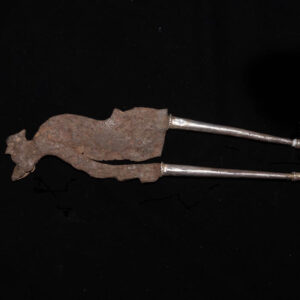
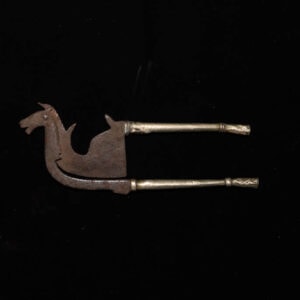
Iron or steel were especially used for betel nut cutters (kacip). The nut was put between the two blades, which were pressed together. The handles may be decorated with silver, gold, brass or bronze. The join was often in the shape of a bird. Indian decorations were the most elaborate.
A betel set includes a box, tray or basket to hold the ingredients for chewing the betel. They may be divided into compartments. A holder was needed to hold the betel leaves (often a round box with a tight fitting lid, sometimes with the cover connected to the base by silver chains) and a scissor-like cutter was required to slice the dry betel nut. (In those countries where a soft, unripe nut was eaten, a knife was used, but this is rare). A container for lime paste was part of the standard set, and a spatula was included to remove the lime and spread it on the betel leaf. A mortar and pestle pulverised the nut for toothless people. Finally, after the chew, a spittoon, usually made of metal, for the red saliva, was passed around from person to person, but it was usually not part of the betel set.
Some countries, such as Thailand and Vietnam, have small containers, usually made of silver, containing a perfumed ointment for the lips and nostrils to prevent them stinging from the areca nut.
The silversmiths of Burma, Cambodia, Thailand and Laos excel at reliefs. The Cambodians make small animal-shaped silver boxes for the ingredients. There are turtles, elephants, chicken and deer and some are mythological. The exceptionally high quality designs are textured, delicate and artistic. The animals are often crouching, in two parts, with the upper half of the animal being the lid, that joins exactly and is hardly noticeable. Some are fruit, such as mangosteens and pumpkins. Cambodia has an unique gourd-shaped silver lime container, usually with an inscription on the base.
Laos also has a unique item and that’s a silver betel leaf holder in the shape of a horn, decorated with repoussé geometric designs, flowers and clouds.
Thailand’s unique contribution is a triangular betel leaf holder. The leaves were rolled loosely and kept in these containers ready to use. The triangle is truncated and becomes a flattened cylinder, elaborately decorated with delicate filigree. The designs are inspired by nature, such as flowers, leaves, grapes and birds.
Tobacco was brought to Java in the 17th century and spread to the rest of Southeast Asia. It was smoked as a rolled cheroot or chewed. Some people added a small rolled ball of tobacco shreds under their lip to change the flavour of betel chewing. Tobacco became a major commercial crop in Malaya and northern Sumatra. Betel sets included a tobacco box.
Betel became less popular as cigarettes were introduced and by 1906 it was rarely seen in the Malay Peninsula.
Showing 1–20 of 185 results
-
Antique Balinese Betel Cutter 2
Read More -
Antique Balinese Betel Cutter 3
Read More -
Antique Balinese Betel Pounder 1
Read More -
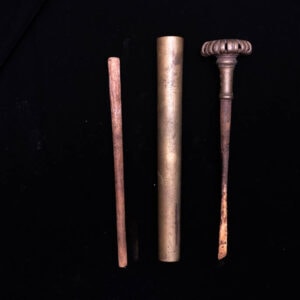
Antique Balinese Betel Pounder 2
Read More -
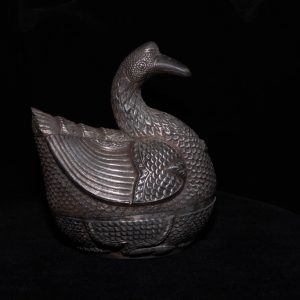
Antique Burmese Betel Box – Swan 2
Read More -
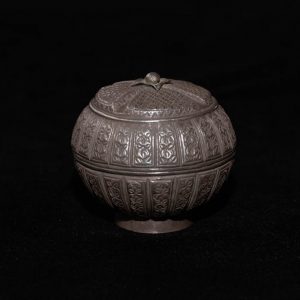
Antique Burmese Betel Box 1
Read More -
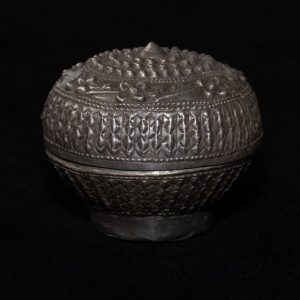
Antique Burmese Betel Box 2
Read More -
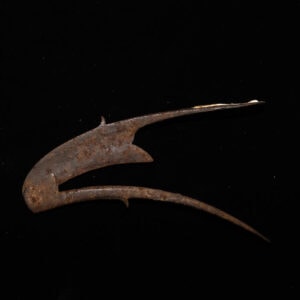
Antique Burmese Betel Cutter
Read More -
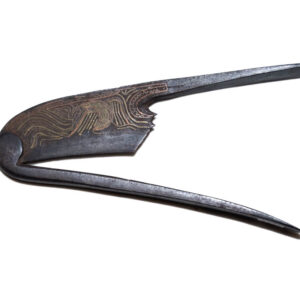
Antique Burmese Betel Cutter 2
Read More -
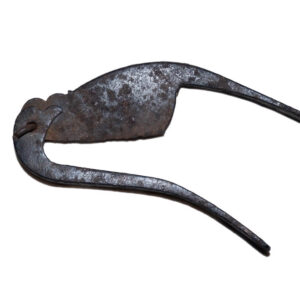
Antique Burmese Betel Cutter 3
Read More -
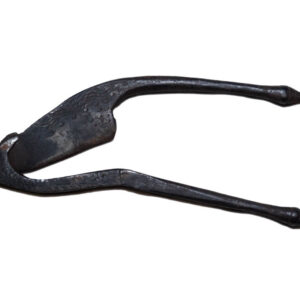
Antique Burmese Betel Cutter 4
Read More -
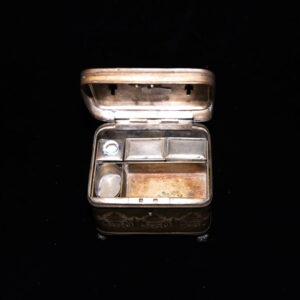
Antique Burmese Brass Betel Box
Read More -
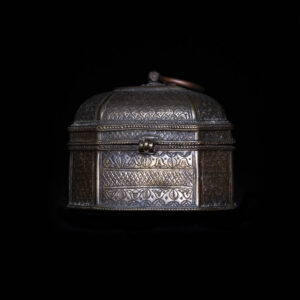
Antique Burmese Bronze Box 1
Read More -
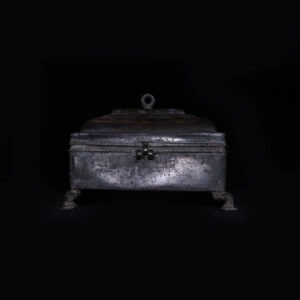
Antique Burmese Bronze Box 2
Read More -
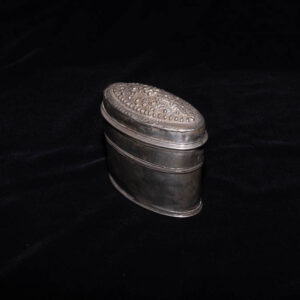
Antique Burmese Lime Container 1
Read More -
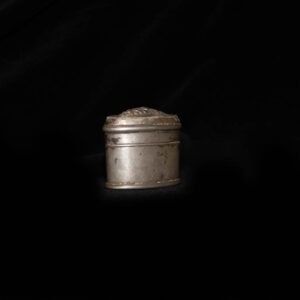
Antique Burmese Lime Container 10
Read More -
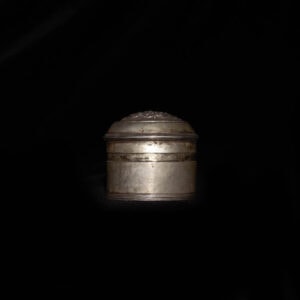
Antique Burmese Lime Container 11
Read More -
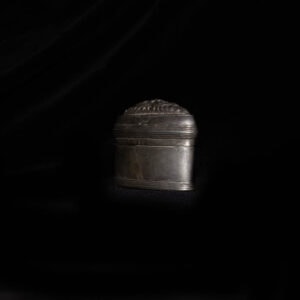
Antique Burmese Lime Container 12
Read More -
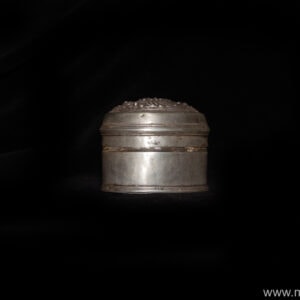
Antique Burmese Lime Container 13
Read More -
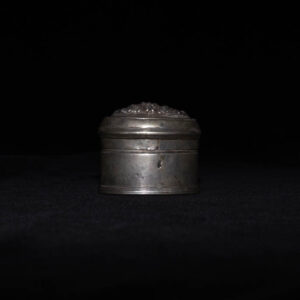
Antique Burmese Lime Container 14
Read More