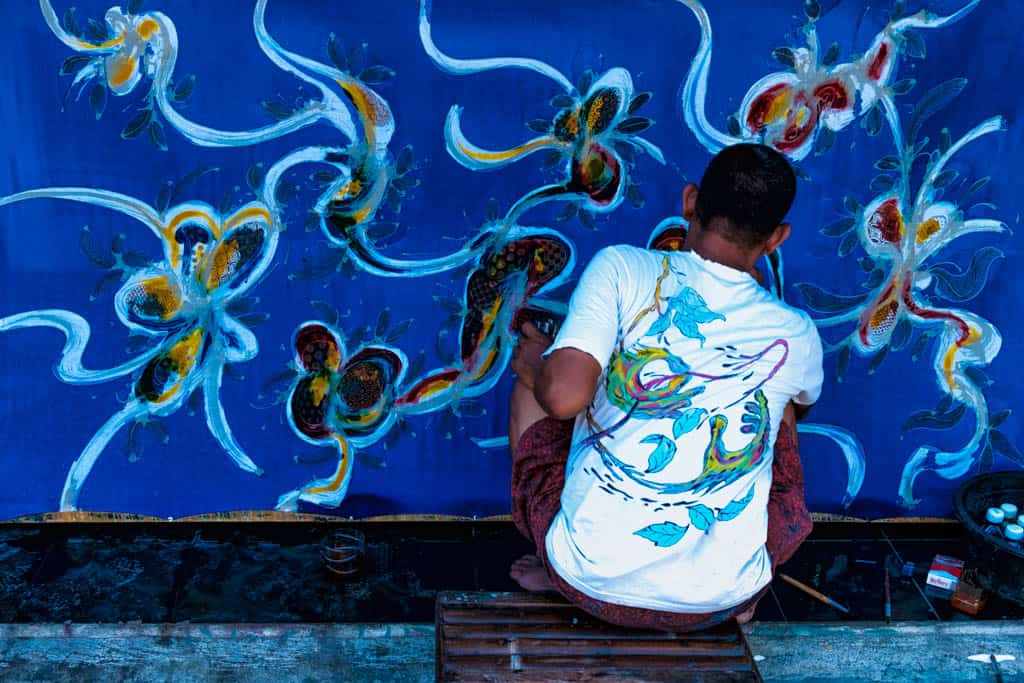
If all the big names in the Balinese culinary world started with small warung that expanded organically, Murni’s Warung in Ubud is definitely the first that began as a batik shop. With her American husband Pat, Ni Wayan Murni moved shop to a more strategic location on the side of a main road below the hermitage of the painter Antonio Blanco.
It started with Pat liking Murni’s black glutinous rice porridge, and Murni learning how to make Western-style breakfasts from Pat. Eventually, four tables and 16 chairs were added to the batik shop that had been catering to customers of Antonio Blanco who wanted breakfast and coffee. Murni’s consistent quality means the warung is now a culinary icon in Ubud.
100 Best Foods of Bali
by Bondon Winaro, Lidia Tanod and Harry Nazarudin, Penerbit Jalansutra, 2015
A grassroots initiative to harness the power of technology to better lives has transformed a sleepy hamlet in Indonesia into a cyber village, catching the attention of Facebook’s Mark Zuckerberg.
Click here to read the whole article Wanderlust Indonesia Cyber Heart published in Travel360, Air Asia’s in flight magazine, October 2018:
It’s getting on for 10 years since UNESCO recognized batik as a Masterpiece of Oral and Intangible Heritage of Humanity on 2 October 2009. Today, on National Batik Day, the kids in Bali’s schools are wearing batik to celebrate.
Batik forms a large, eye-dazzling part of modern Indonesian fashion. It’s great that you can wear your culture on your shoulders! Talented fashion designers are creating amazing new patterns.
A very popular traditional style is from north coastal Java, called the Pasisir style. The main centres are Cirebon, Pekalongan and Lasem, all heavily influenced by the Chinese. They are port towns and therefore absorbed outside influences. Pasisir means ‘beach’ – they are beach people and their batiks are free, colourful and flamboyant.
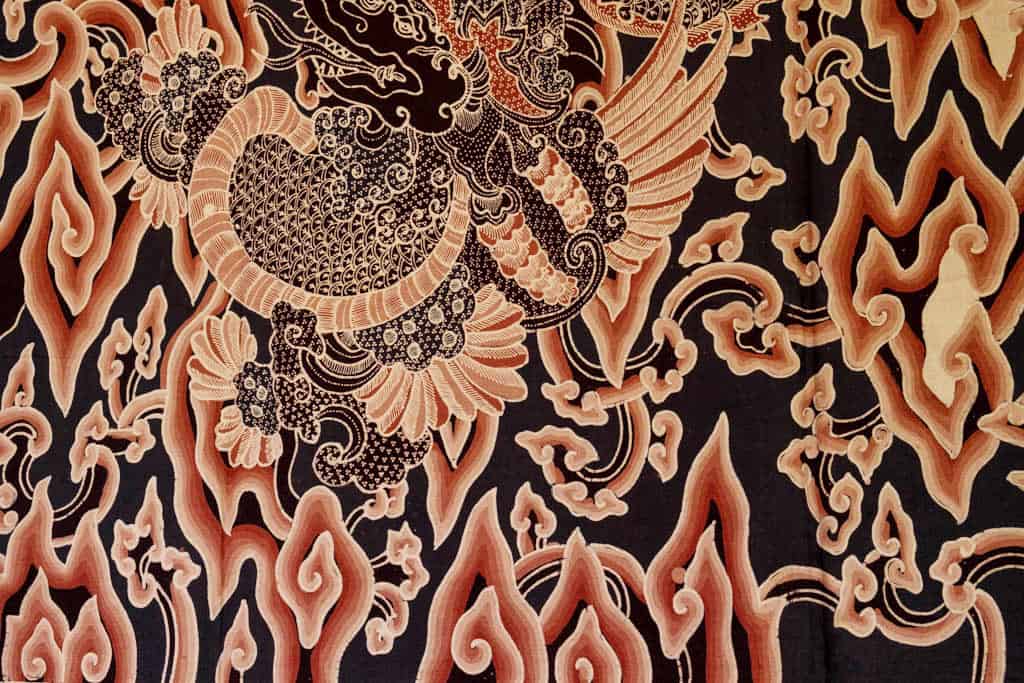
Cirebon is unusual. It is one of the few places where men, and not women, practise batik. The textiles have a masculine feel. Bold forms, open spaces and lack of detail. Chinese influence is clear in the best-known textiles made in Cirebon called mega mendung. These batiks of curving, undulating rain clouds are reminiscent of Chinese paintings and were originally used to decorate the royal bedchamber.
Rain clouds suggest fertility and life. The better ones have many, at least four, and maybe even seven, shades of the same colour. Colours merge from dark blue to blue to light blue to white. It can take several months to make one of these textiles since the clouds must be waxed and dyed many times to achieve the variations in colour. It is an extremely popular style.
 If all the big names in the Balinese culinary world started with small warung that expanded organically, Murni’s Warung in Ubud is definitely the first that began as a batik shop. With her American husband Pat, Ni Wayan Murni moved shop to a more strategic location on the side of a main road below the hermitage of the painter Antonio Blanco.