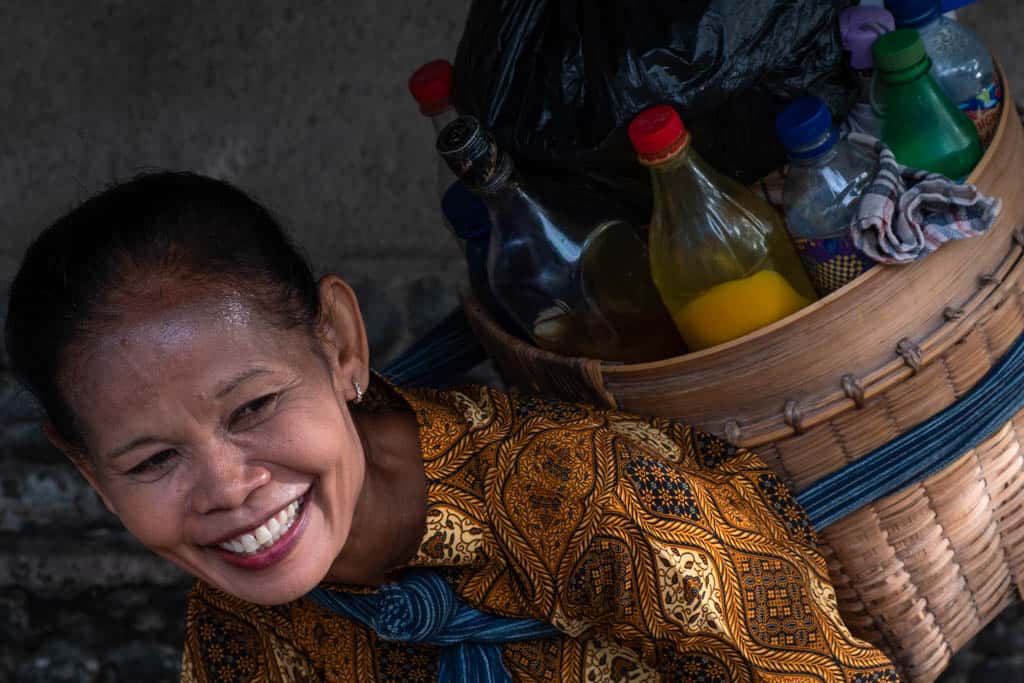
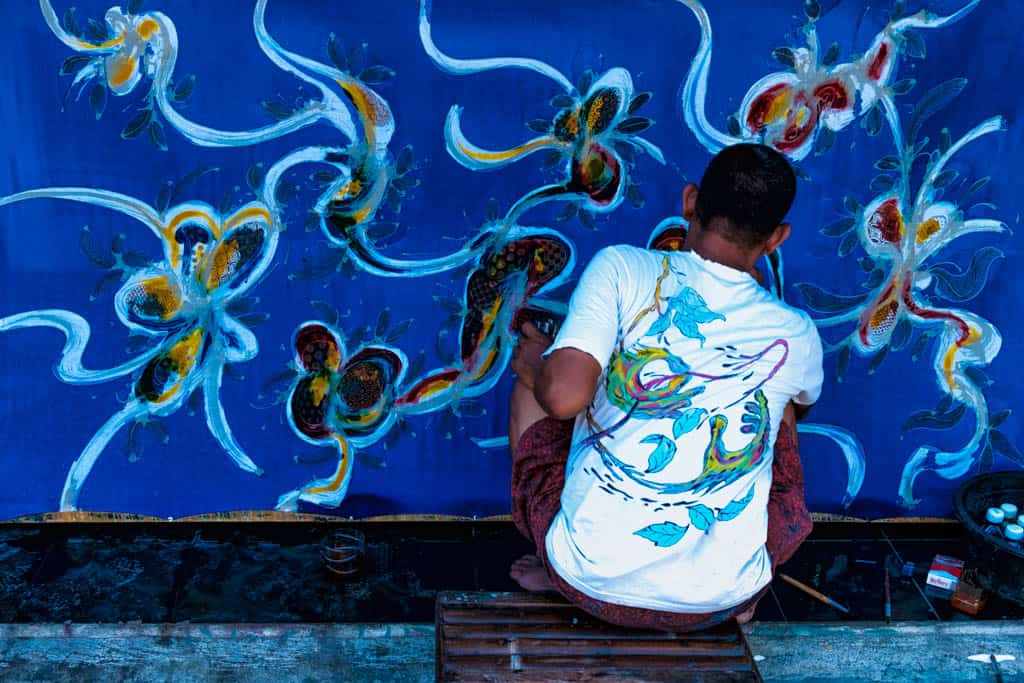
You used to see the Jamu Lady in the byways of Bali, but not anymore. You still see them in Java. This lady, wearing traditional batik, is taking her bamboo basket, full of home made jamu, on her back, around the expensive houses in downtown Jakarta.
Jamu is a traditional, herbal Indonesian medicine, made from fruits, flowers,leaves, seeds, bark, roots, and other natural substances . The jamu makers also use eggs, milk, honey and royal jelly.
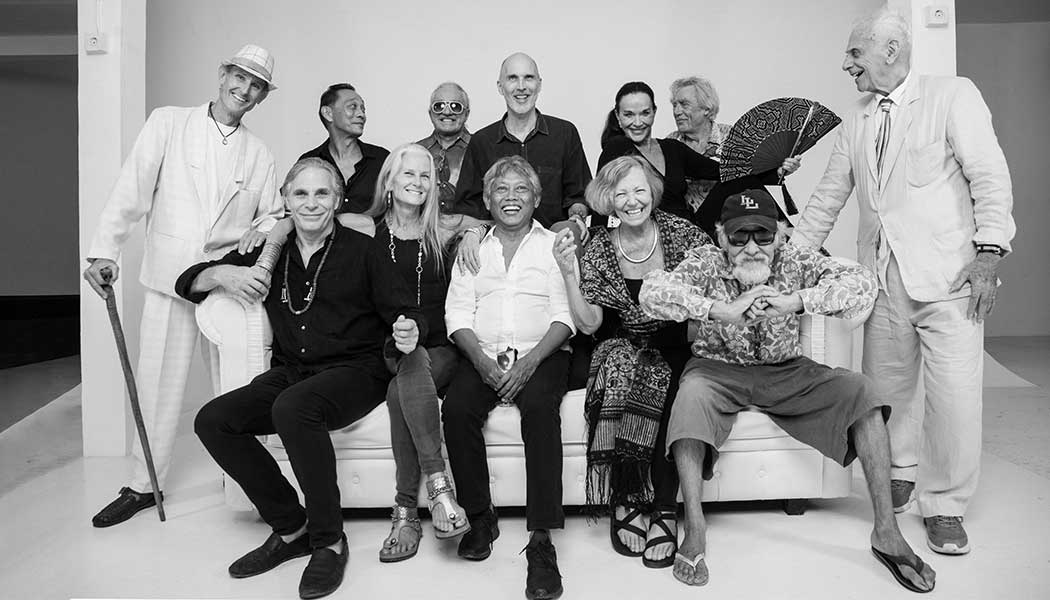
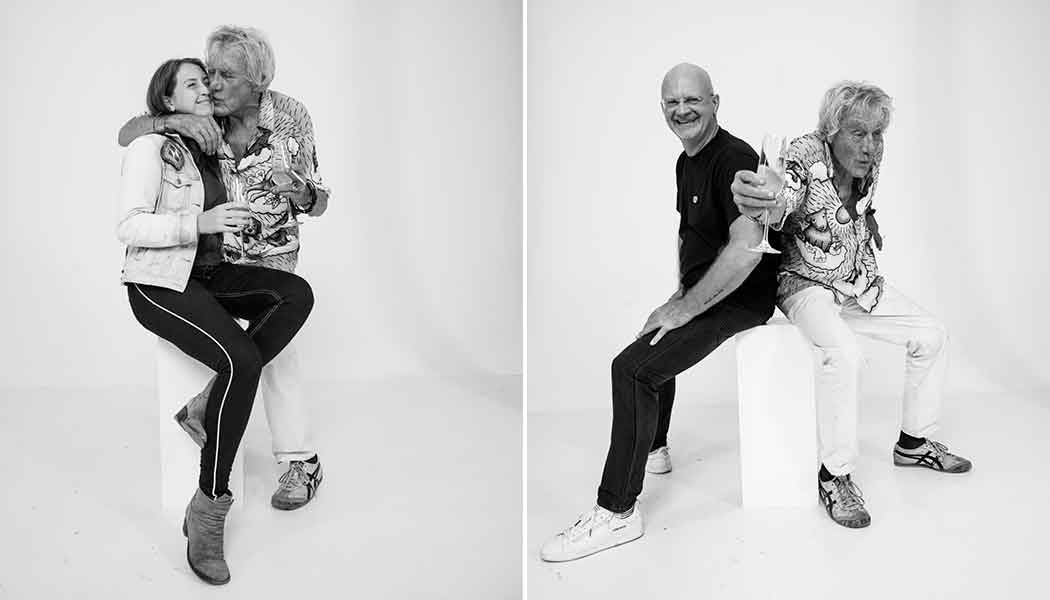
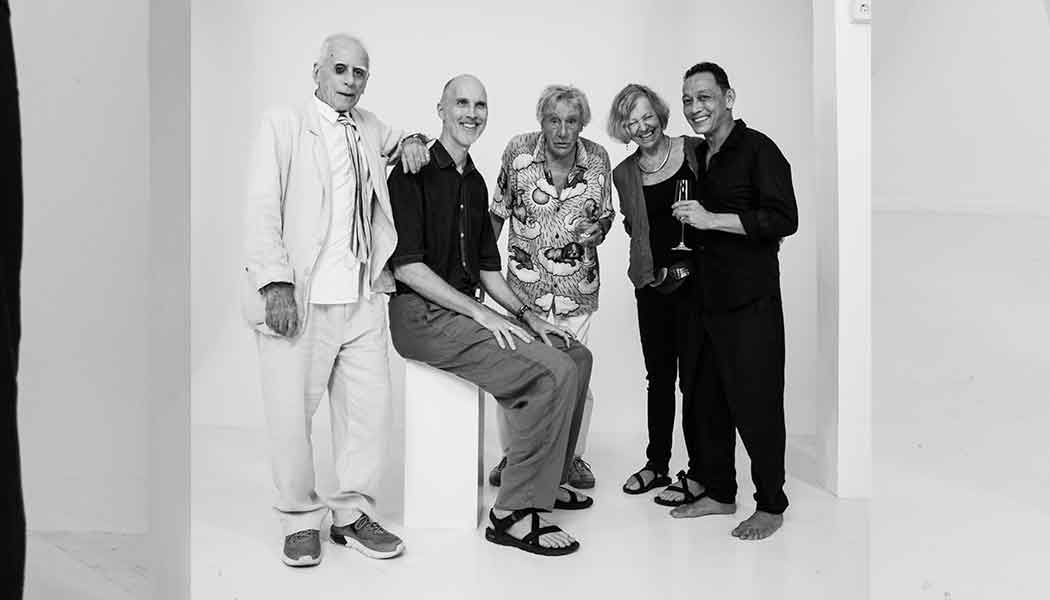
Why did you come to Bali? We asked Diana Darling to dissect a generation of island refuseniks who made the move more than three decades ago. Images: Oscar Munar. Styling by Angie Anggoro.
The Yak, May 2019
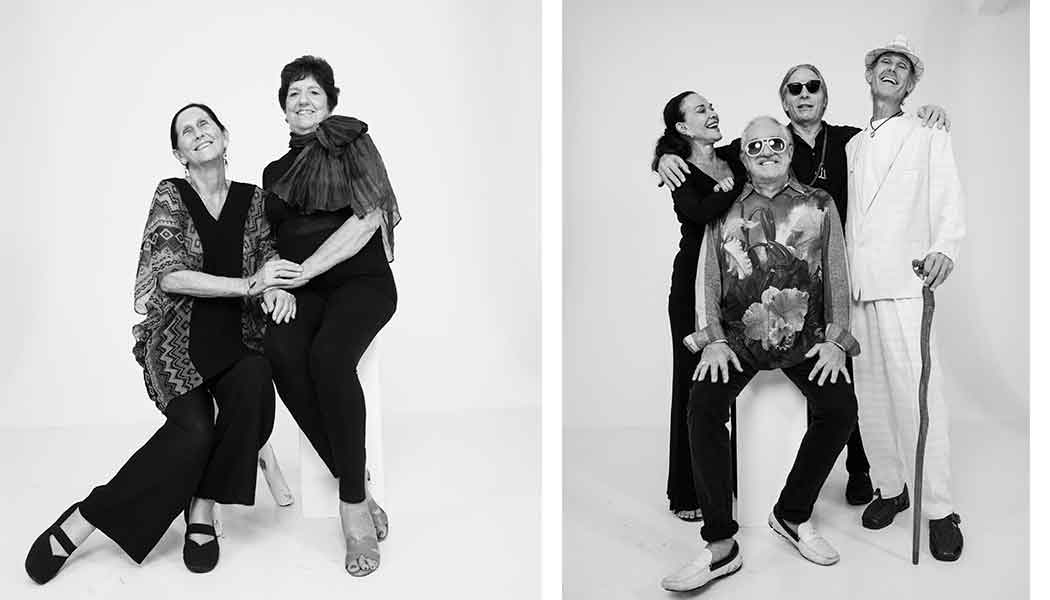
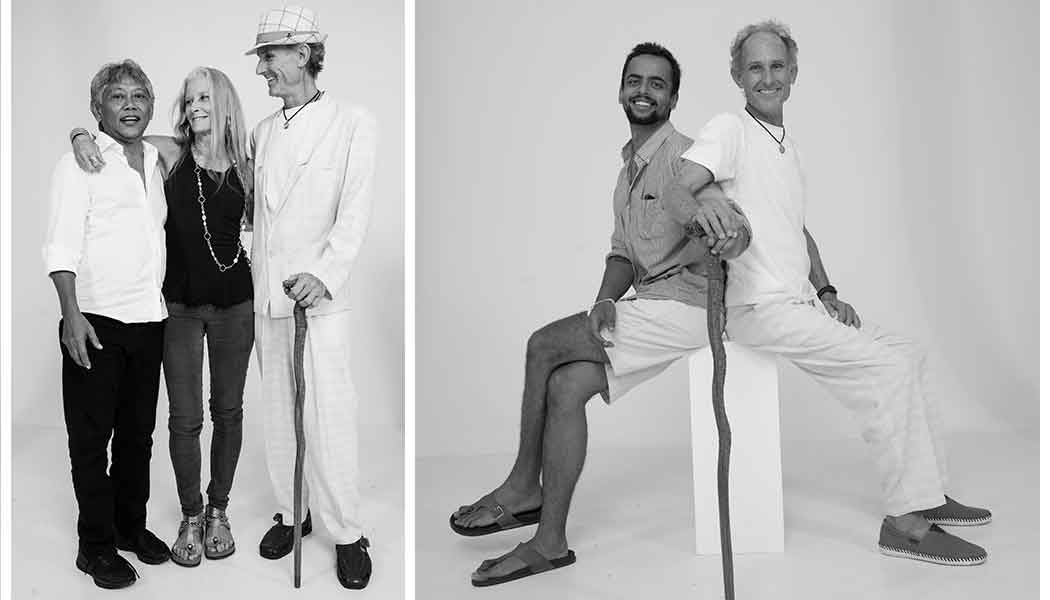
Seated, left to right: Bruce Carpenter Collector and connoisseur of Indonesian tribal art. Cynthia Hardy Muse, businesswoman and co-visionary with her husband John. Amir Rabik Entrepreneur and host to the stars. Jean Howe California-sunshine carrier and co-founder of Threads of Life. Leonard Lueras Writer, publisher, and consumer-researcher for Bintang beer. Standing, far right: Arthur Karvan Founder of the famous Arthur’s club in Sydney; designer of fashion fabrics and boutique residences Standing, left to right, back row: Emerald Starr Chocolate entrepreneur and developer of spiritual resorts in bamboo. Pintor Sirait Sculptor in steel and expert best friend. Milo Fashion designer, devoted son, and celebrity host. William Ingram Co-founder and chronicler of Threads of Life; former computer geek. Ananda Hart Painter and socialite; former Hollywood movie star super-hero. Ian van Wieringen Painter; expert on long-legged beauties.
FOR one thing, we were young. Even so, most of us already had a past. Some of us had recently been in the movies or bereaved or divorced or bankrupt or had just got out of jail. Most of us had been travelling for a while – often rough, sometimes dangerously.
Everyone was good at something, although some hadn’t yet discovered what it was. Everyone was looking for something, even if they didn’t know exactly what it was.
Some were looking for a sort of perpetual high, where the air was always gentle and there was always someone cool down the beach or at the next table, and no one would bother you about who you were or how you spent your days and nights, and if you ran out of money it was easy to make some more, if only enough for the next week.
Some of us were just looking for something to do. Some of us were looking for a cheaper place to do what we were already doing. Some of us were looking for each other. None of us would have said at the time that we were looking for ‘healing’.
We were all sorts of people – actors, scholars, con artists, filmmakers, fashion mavens, lawyers, fortune-tellers, potters, musicians, mystics, chefs, beach bums, heiresses, poseurs, photographers, traders, painters, stockbrokers, surfers, dancers, published and unpublished poets, and publishers, too. Some were good at taking rich people around the archipelago. Everyone had a go at designing something; some made a fortune at it.
John Hardy had legendary success designing jewellery when he teamed up with his wife Cynthia. “He had the ideas, I had a business model,” she once said. Neiman Marcus, a high-end retailer, saw one of his silver key chain ornaments and said, basically, “Can you make us a gazillion of these as earrings?” They did, and John Hardy became a worldwide luxury brand.
Before the late Linda Garland became “the bamboo queen”, she designed nice things for the home, made by Balinese artisans. Her genius lay in persuading rock stars and tycoons that they needed these things. She decorated homes for David Bowie and Sir Richard Branson. Everyone who was important adored her.
And the much-missed Madé Wijaya, né Michael White – who famously arrived in Bali in 1973, having jumped ship and swum ashore in a storm – designed beautiful gardens for resorts and moguls all over Southeast Asia. But his brilliance was his uncanny understanding of Bali.
Each of us had a private Bali, peopled with Balinese friends and families, who gave us a place to live and opened up worlds to us, introduced us to young craftsmen and old sorcerers, took us to holy places, and showed us the way to behave around ‘the gods’. They taught us the gamelan tuning systems and how to carve masks and make them come alive in the dances.
Perhaps we took our Balinese friends on tour to New York or India. We helped with their medical bills, and many put the children of their Balinese families through school. When our Balinese friends died, we went to their house; later we gathered in a corner of the graveyard, smoking kreteks with the gong orchestra.
As expats, we were not nearly as nice to each other as we were to our Balinese friends; but then, unlike the Balinese, life among us was unstructured. Some people were extroverts and threw ‘full moon parties’ where everybody had to wear white.
Others were introverts and avoided foreigners, often irritating other expats by punctuating their speech with Balinese slang.
We used to gather at places like Murni’s, Mak Beng, the Tandjung Sari, the Blue Ocean and Madé’s Warung. We got our mail at the poste restante of the local post office. (The late Shane Sweeney, a seminal expat, once waited for months for an important letter, only to find it filed under “M”, for “Mr.”) We shared tailors and sent each other presents with our driver, if we had one. When we started having children, some expats started schools, and later organic farmer’s markets. All the expat kids had Balinese children’s rites. Madé Wijaya said of the sons of Linda Garland and Amir Rabik that they had full Anak Agung wardrobes.
Snob appeal was varied, depending who you were. For some it was simply a matter of making a pile of money and spending it on building a fabulous house. For others it was having chic Balinese friends – venerable dance masters or priests or artists, or princelings in the government. In some circles, it was cool to be able to read Balinese script or to be treated for black magic. Status symbols also varied. Everyone appreciated heirloom keris and rare Balinese textiles, and a few could wear these things with flair. What you drove, on the other hand, was never a big deal. It was more impressive to have a driver who could negotiate the bureaucracy and possibly wrangle snakes.
Anthropologically, we felt a tribal kinship of oppression under Indonesia’s murky immigration laws; and we were serially polygamous. Our culture prized achievement and gratification. There was no point in being political, because we were foreigners and could be expelled on a whim. But as we got older, people became engaged with problems facing society and the environment, and many expats now work with Balinese in charitable foundations.
Today, as the group shot here shows, the early expats are still sexy. The man-eating divas may have gone vegan, but the fire of life is still blazing.
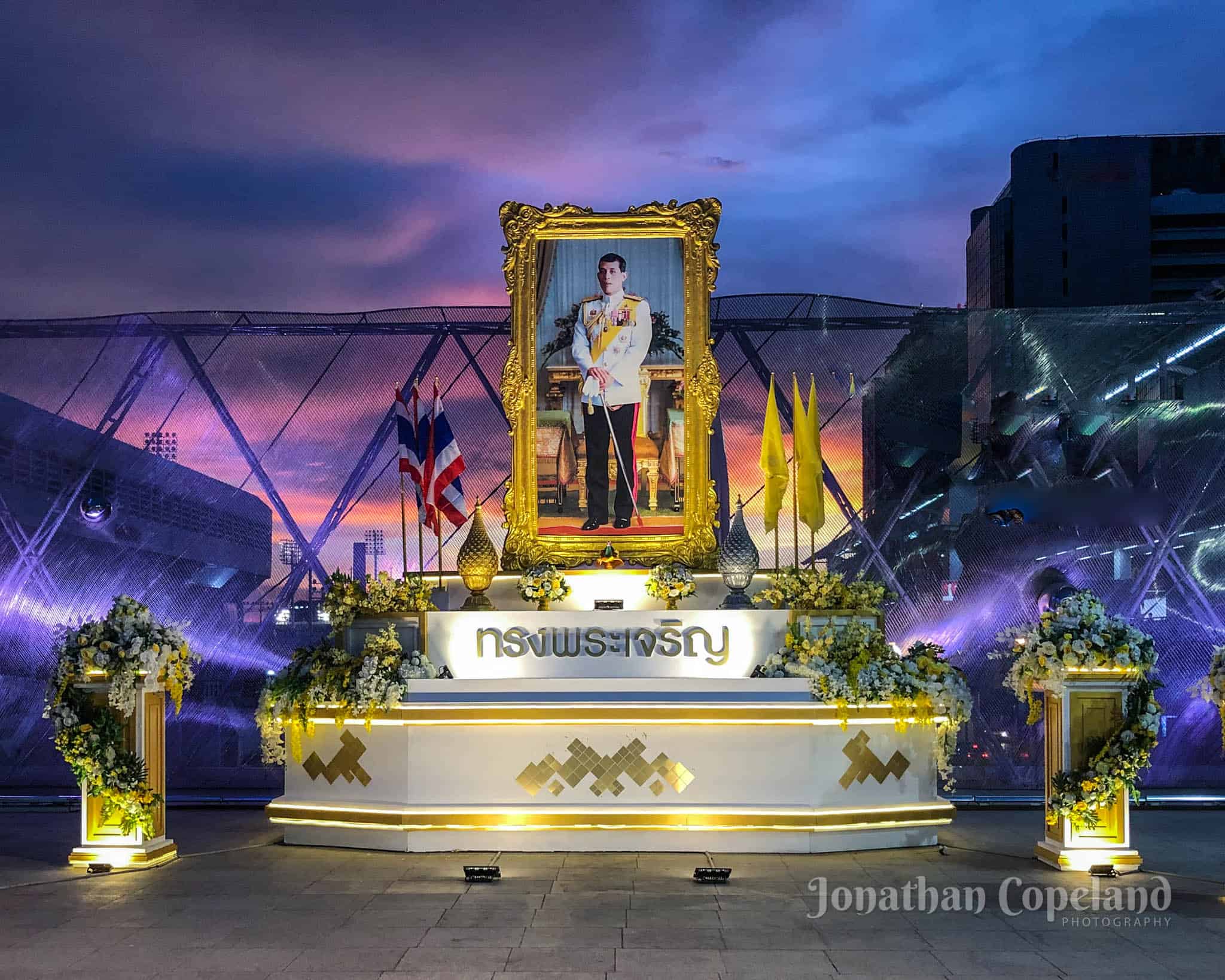
Today is the Coronation of His Majesty King Maha Vajiralongkorn in Bangkok, Thailand.
King Vajiralongkorn inherited the throne after the death of his father HRM Bhumibol Adulyadej in Oct 2016.
The royal Purification and Anointment Ceremonies takes place in The Grand Palace using consecrated waters gathered from Bangkok’s 76 provinces.
Presentation of the royal regalia will take place at Bhadrapitha Throne, where the King will be officially crowned.
His Majesty will grant an audience to royal family members and officials, before being accompanied by 234 soldiers in a procession to the Temple of the Emerald Buddha, where he will be pronounced the official Royal Patron of Buddhism.
Finally, the Assumption of Royal Residence Ceremony takes place at Chakrabat Biman Royal Residence.
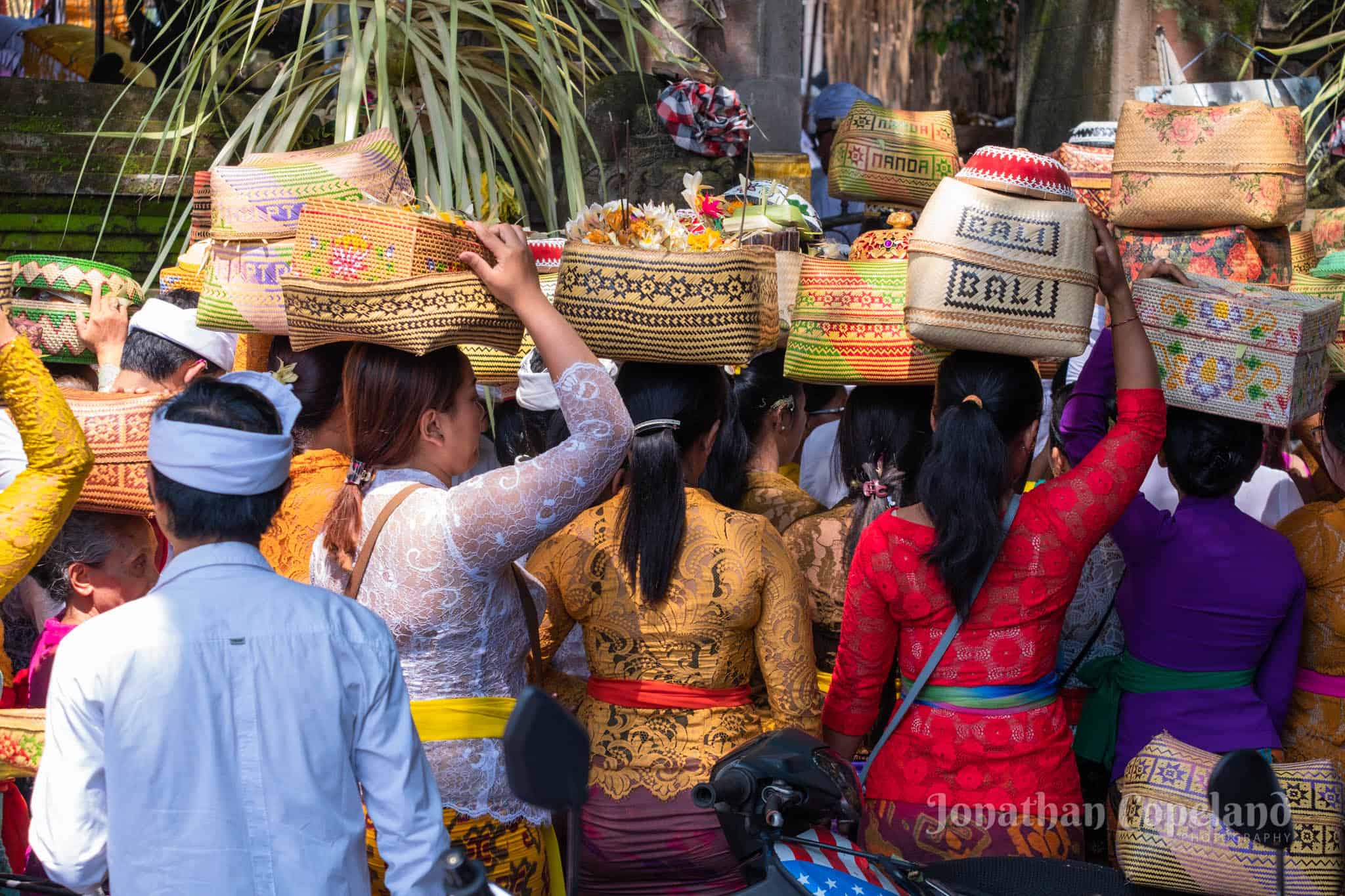
Today is Merchants’ Day is Bali. In fact it’s Merchants’ Day every 210 days. Merchants are mainly women, hence the queue of women with their offerings jostling to get into the small Melanting temple in Ubud market today.
The 3-day week determines the markets in Bali. The market shifts from one village to another on a 3-day cycle, so that there is a market in every village once every three days. Ubud forms part of a rotation with the markets at Payangan and Tegallalang. But in fact it’s very busy every day in Ubud.
Markets date back a long way in Bali. The first reference to markets and market weeks is in the 9th century. Some of these old inscriptions refer to markets that are still on schedule today. Markets start very early in the morning. They are usually situated outside the royal palace or a noble’s house. In Ubud, the royal palace is just across the road.
The Balinese Kintamani dog was finally recognized by the Fédération Cynologique Internationale (FCI), the international federation of national kennel clubs on 20 February 2019. It’s the first Indonesian breed to get international recognition.
The Kintamani dog can now join international competitions and dog shows, and Kintamani birth documents can use the official FCI logo.
The dogs are well-balanced with a rectangular body, a wedge-shaped head, pricked ear and a sickle tail with a double coat, harsh outer coat of medium length on the body and shorter on its face. They are watchful, intelligent, alert, gentle, loyal and easy to train.
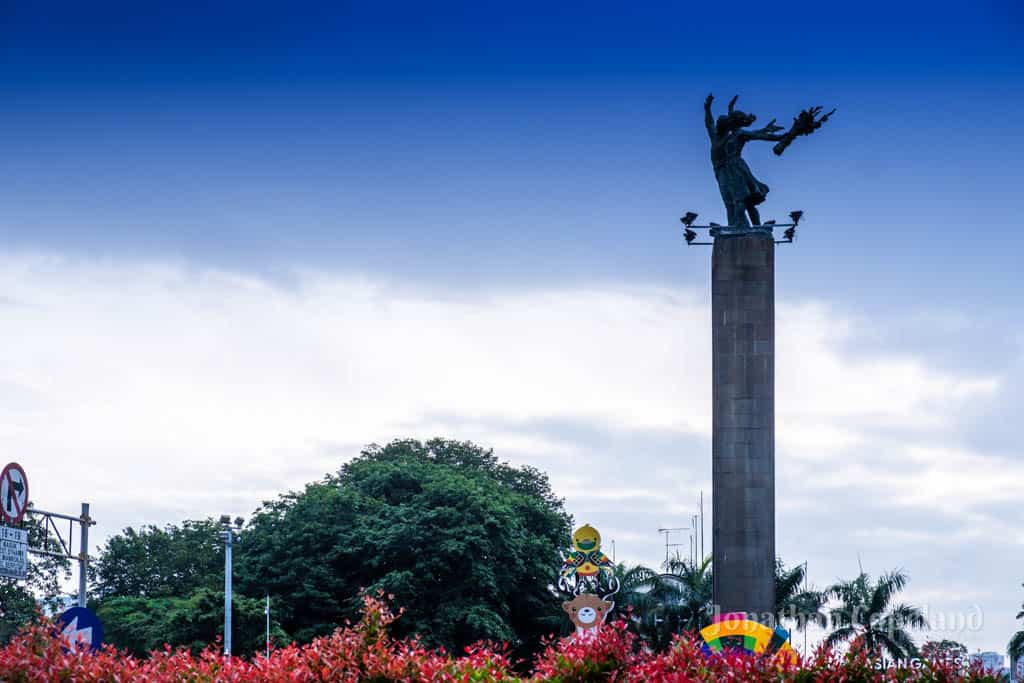
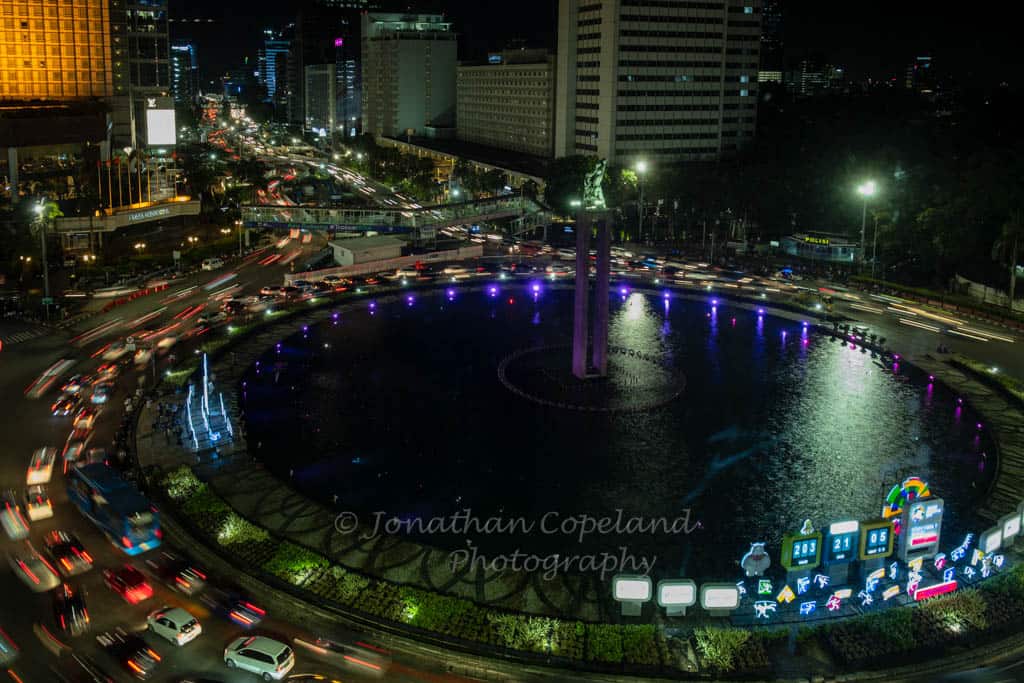
During the 1960s, President Sukarno, Indonesia’s first President, made Jakarta beautiful and built some new buildings for the Asian Games IV. The project included several statues. The most notable is in the middle of the Bundaran Roundabout in Jakarta, the Selamat Datang Monument called Tugu Selamat Datang. It’s the Welcome Monument.
The original design was by Henk Ngantung, the Vice Governor of Jakarta. He wanted to call it “Indonesian people greet their future”. The sculptor was Edhi Sunarso. Work started on 17 August 1961, Independence Day.
Thirty meters above the ground the two bronze statues are a man and a woman, five metres tall from head to foot, with outstretched arms. She has a bouquet in her left hand. They stand on a pedestal and welcomed visitors to the Asian Games and now Jakarta.
This glorious roundabout is called Bundaran Hotel Indonesia (Hotel Indonesia Roundabout) after Hotel Indonesia, Indonesia’s first 5 star hotel, now The Kempinski.
It’s positioned in the cenre of Jakarta on the intersection of Jalan M.H. Thamrin, Jalan Imam Bonjol, Jalan Sutan Syahrir and Jalan Kebon Kacang.
The pond, fountains and lighting were renovated in 2002. It’s a favourite place for demonstrations. On Sunday mornings Car-Free Day the place is thronged with joggers, cyclists, strollers and vendors.
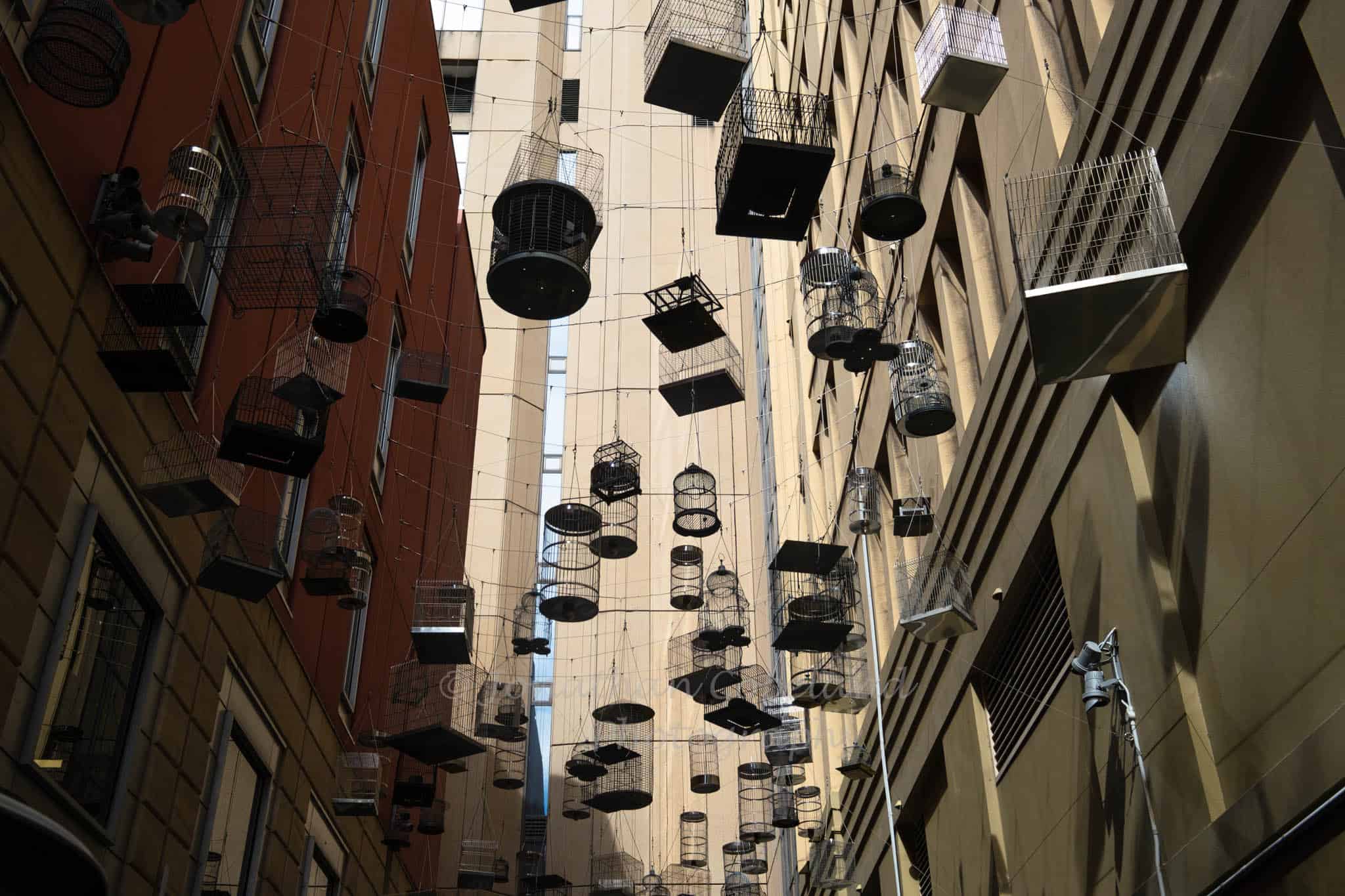
Many, perhaps most, visitors to Sydney (and even some who live here) don’t know about the art installation in Angel Place in the heart of Sydney. It comprises 120 empty birdcages suspended in the air. It’s called Forgotten Songs and was designed by Michael Thomas Hill. As you stand underneath, speakers in the birdcages play recordings of the songs of 50 bird species that once lived in central Sydney, before they left when the city was developed. At night, the birdsong changes to the nighttime sounds of night birds. The names of the birds are engraved on the ground under the cages. The artwork was created in 2009 and is a dramatic and pleasing contrast to the normal city soundscape.
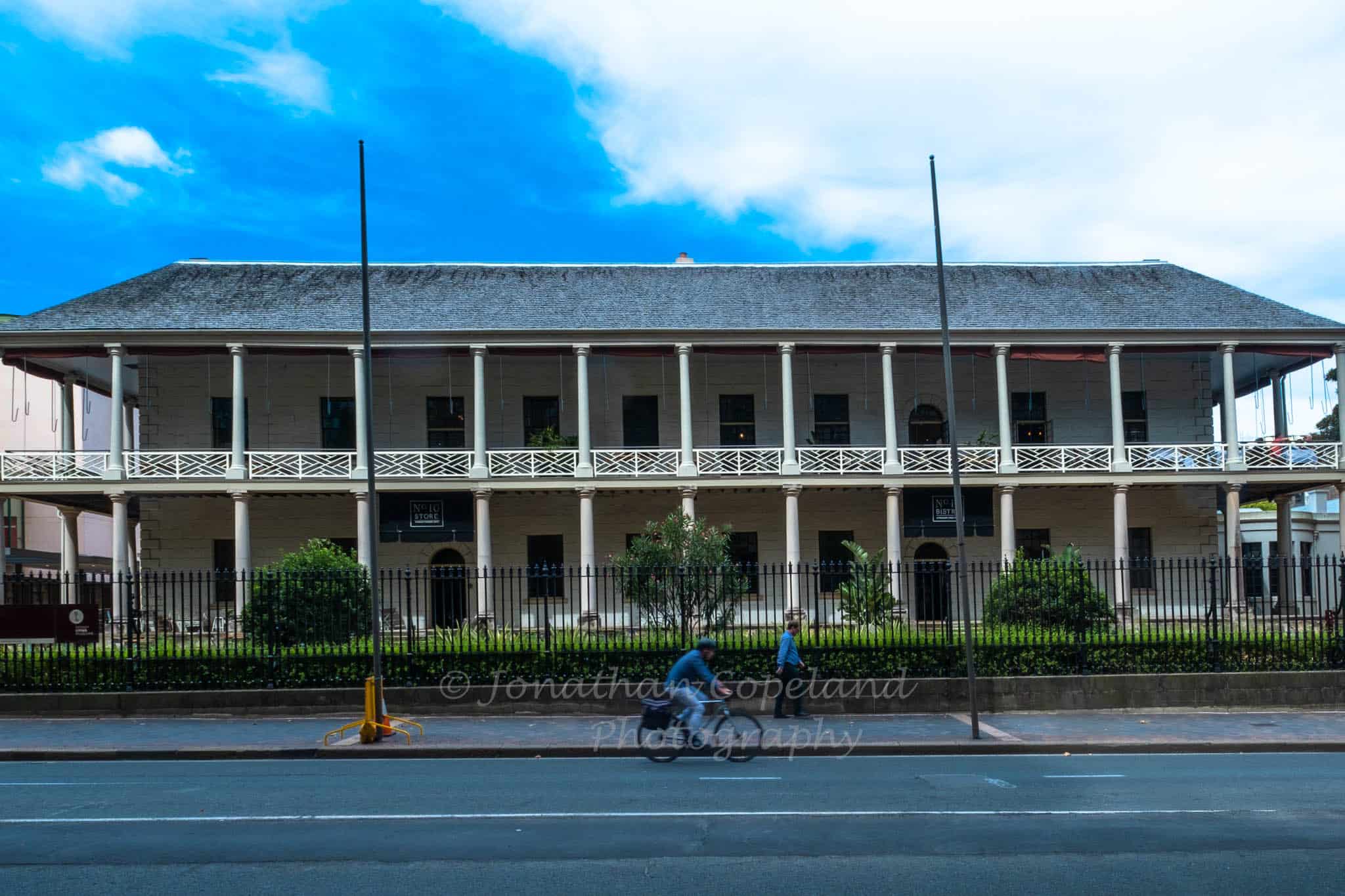
The Mint in Macquarie Street, Sydney was once the south wing of the Rum Hospital. The hospital was Governor of New South Wales Lachlan Macquarie’s first public works project. The Government refused him the finances to build it, so he did a deal with merchants Alexander Riley and Garnham Blaxcell, and a colonial surgeon D’Arcy Wentworth. In exchange for a monopoly on the importation of 45,000 gallons of rum to the colony of Australia, these contractors built the hospital, which was finished in 1816 and became known as the ‘Rum Hospital’. The hospital’s south wing is now The Mint.
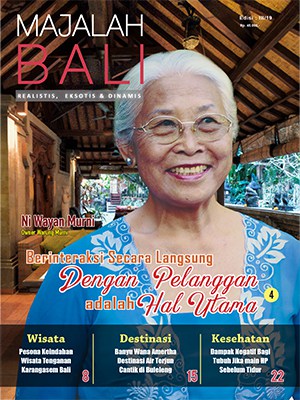
Semangat wanita pendiri Warung Murni, memang tidak diragukan lagi. Lihat saja, hasil kerja kerasnya, Warung Murni yang telah berdiri sejak 1974 hingga saat ini mampu bersaing dengan bisnis kuliner lainnya. Ia mengungkapkan, tak mau kalah semangat dengan generasi milineal, namun ia tidak juga menampik para generasi muda memberikan semangat penyegaran dalam dirinya.
If you love animals – and birds – this is the trip for you. Go to Phillip Island and see the great penguin parade at nightfall. There are a few interesting stops on the way.
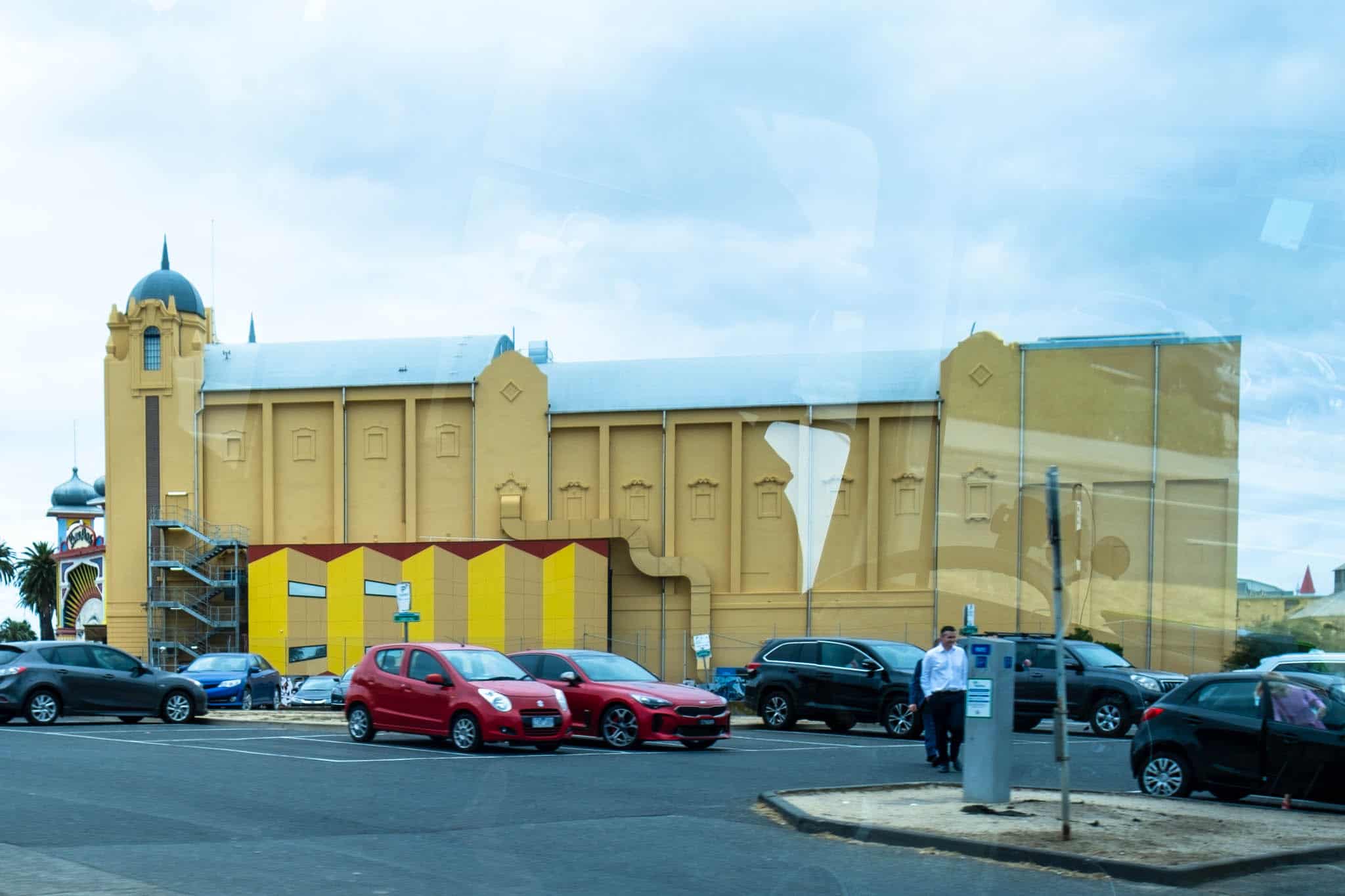
First, we drive out of Melbourne to the suburb of St Kilda, where the sand-coloured Palais Theatre stands. It is Melbourne’s leading entertainment venue. Bob Hope, Joan Sutherland, Tom Jones, the Rolling Stones and many others have performed there. It is the largest seated theatre in Australia with a capacity of nearly 3,000 people. The original building of 1919 was a cinema, but it burned down in 1926 and was rebuilt.
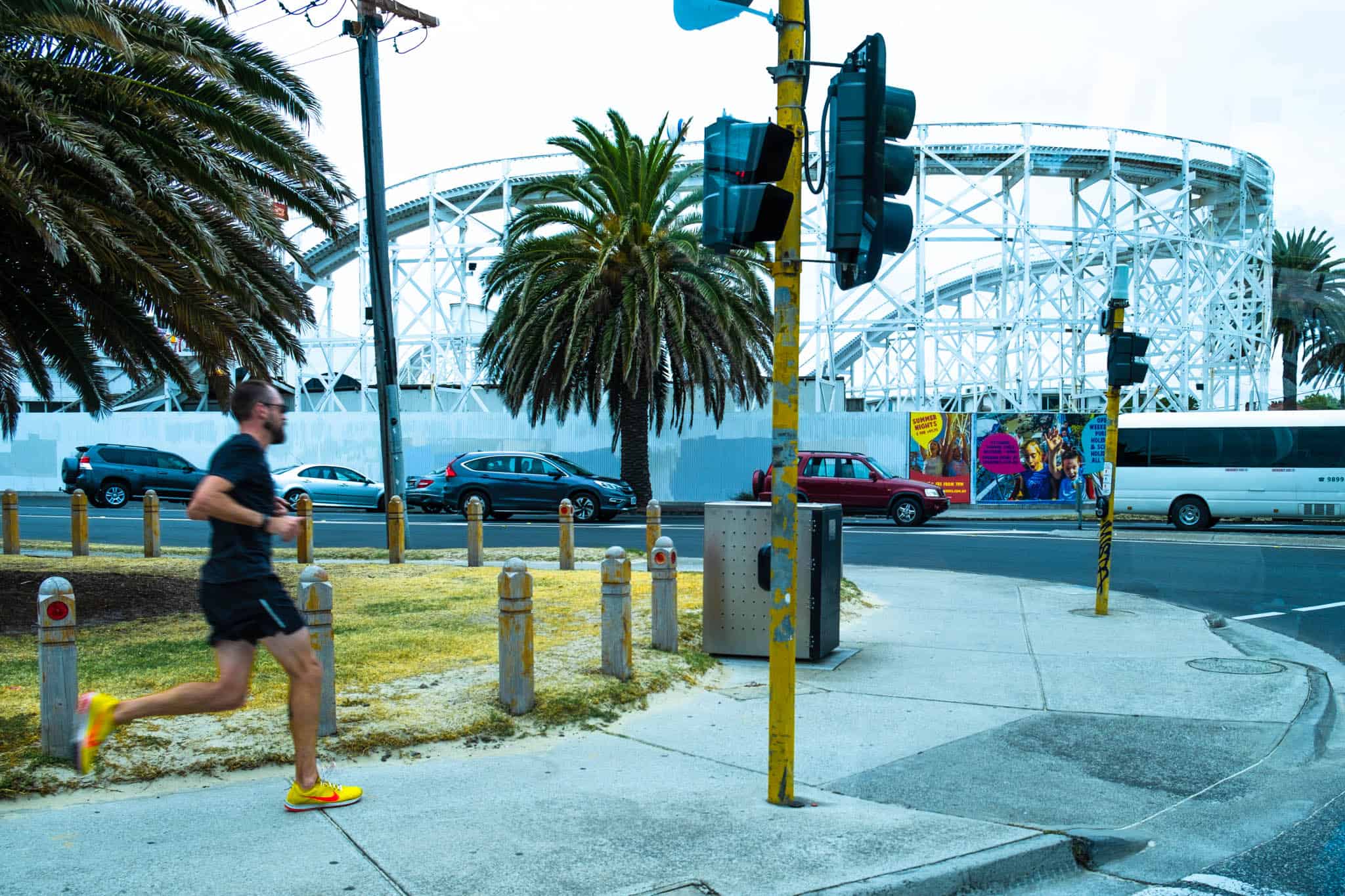
Next to it is Luna Park’s Scenic Railway (1912), which is the oldest continuously operating roller coaster in the world. The Scenic Railway’s scaffolding is made up of 322 posts.
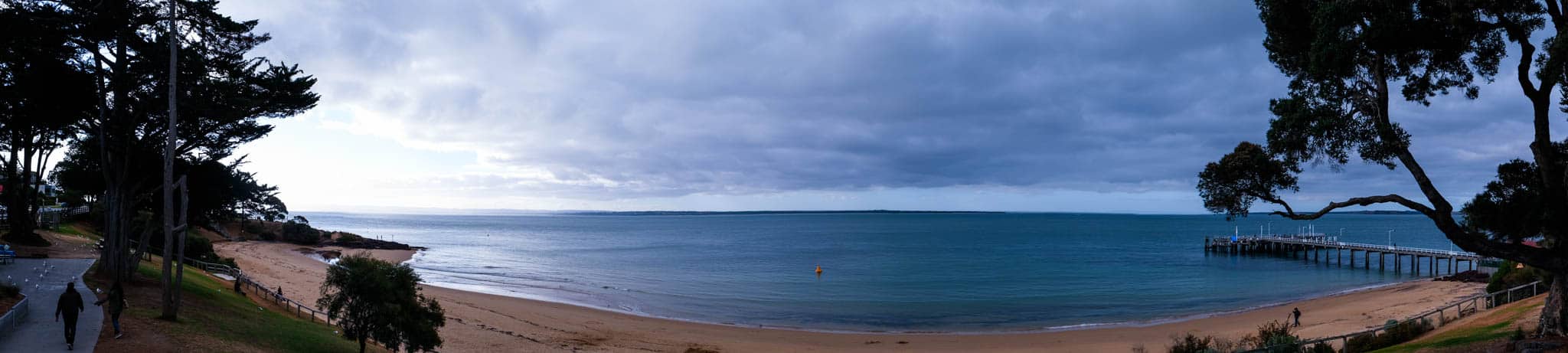
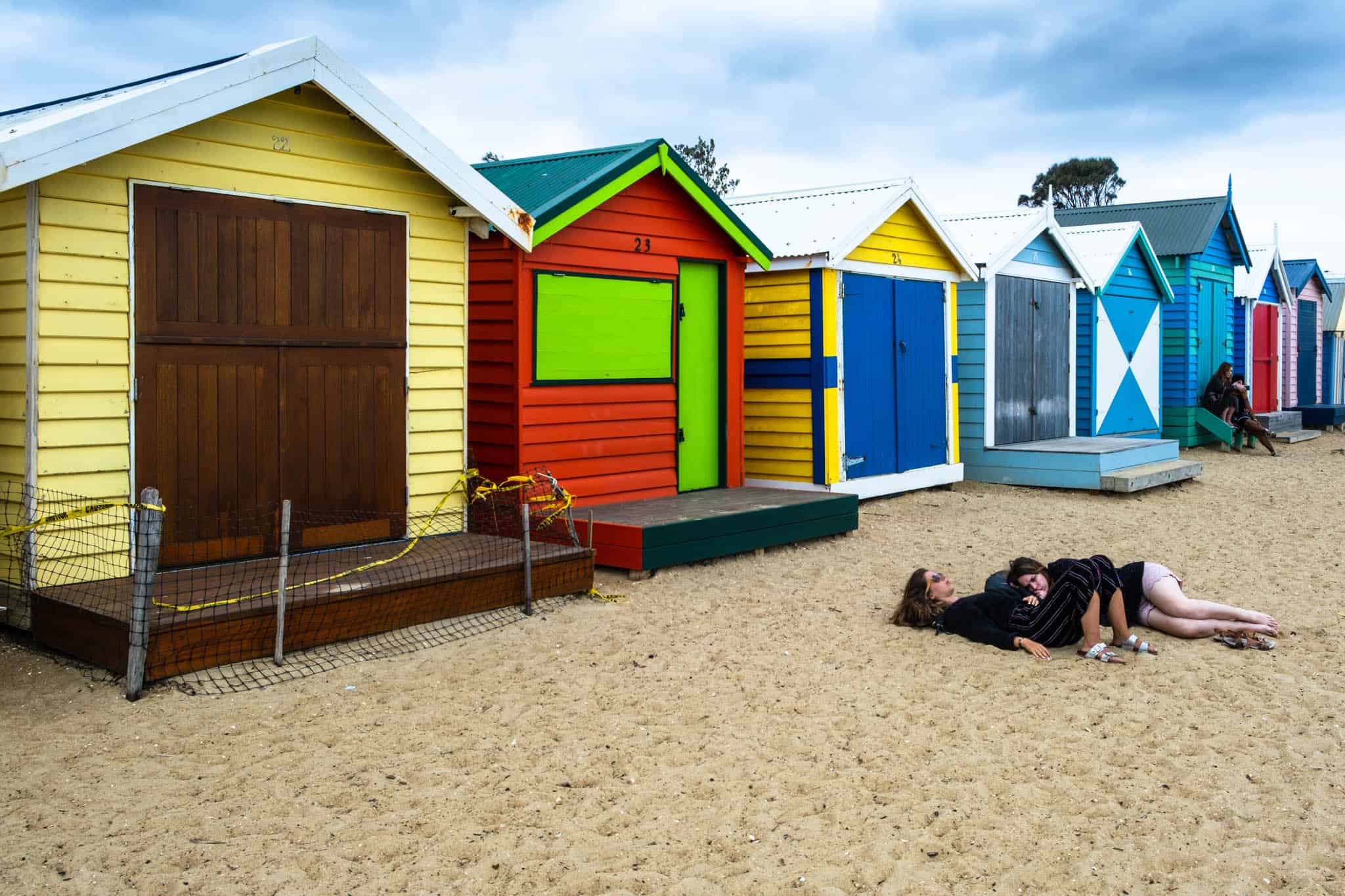
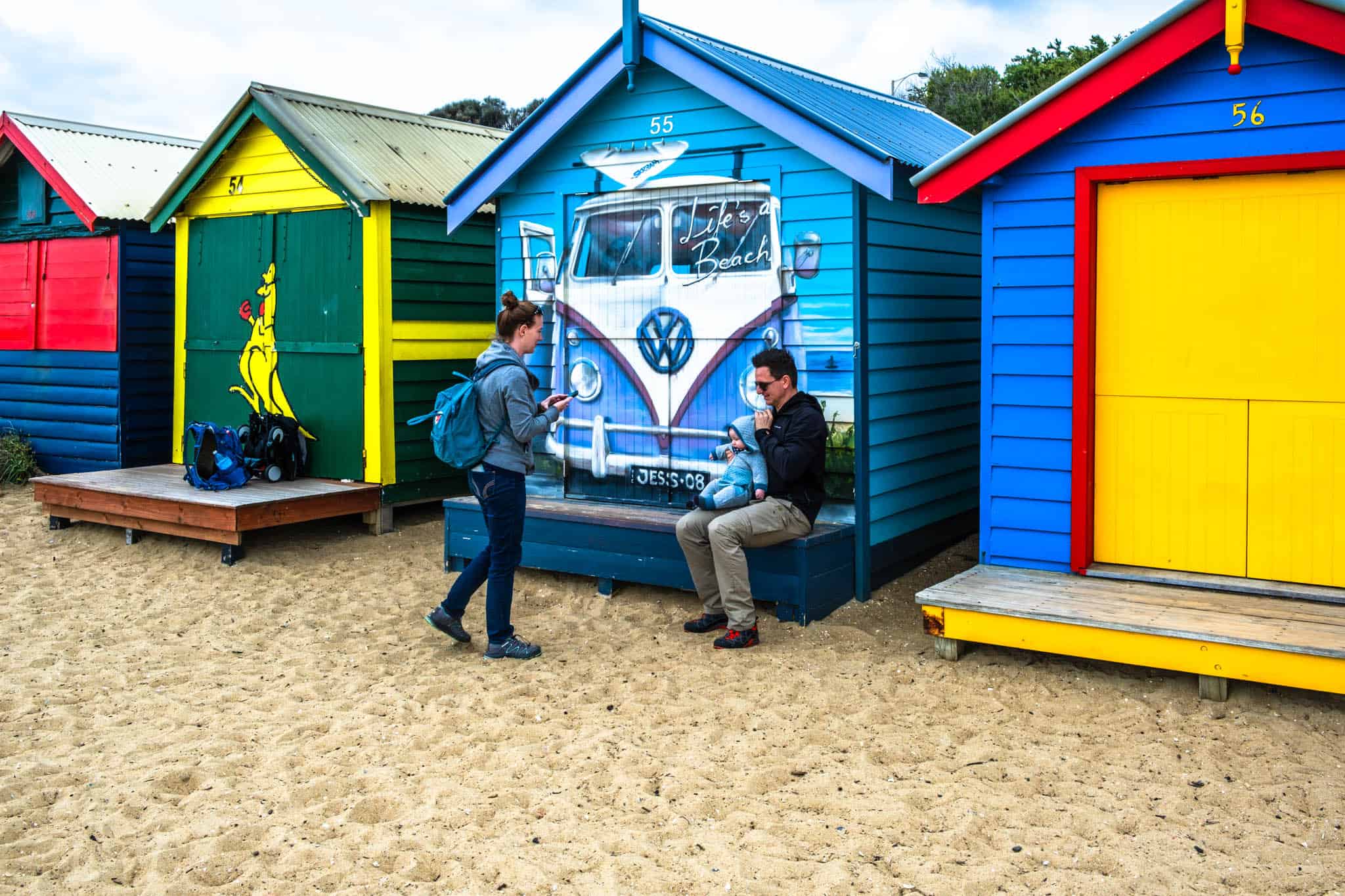
The first stop is Brighton, 11 km south-east of Melbourne, named after Brighton in England. We stop at Dendy Street Beach with its 82 colourful beach boxes. Bathing boxes in Brighton existed as far back as 1862. By 1929 there were between 100 and 200 of them. They were basically changing rooms for Victorians, originally near the sea, but later moved back. They were also moved along the coast several times. The present ones were placed there in 1934.
They are the same as they were over a hundred years ago. Alterations are forbidden. They retain their Victorian architecture, timber frames, weatherboard sidings, and corrugated iron roofs, and have no electricity or running water.
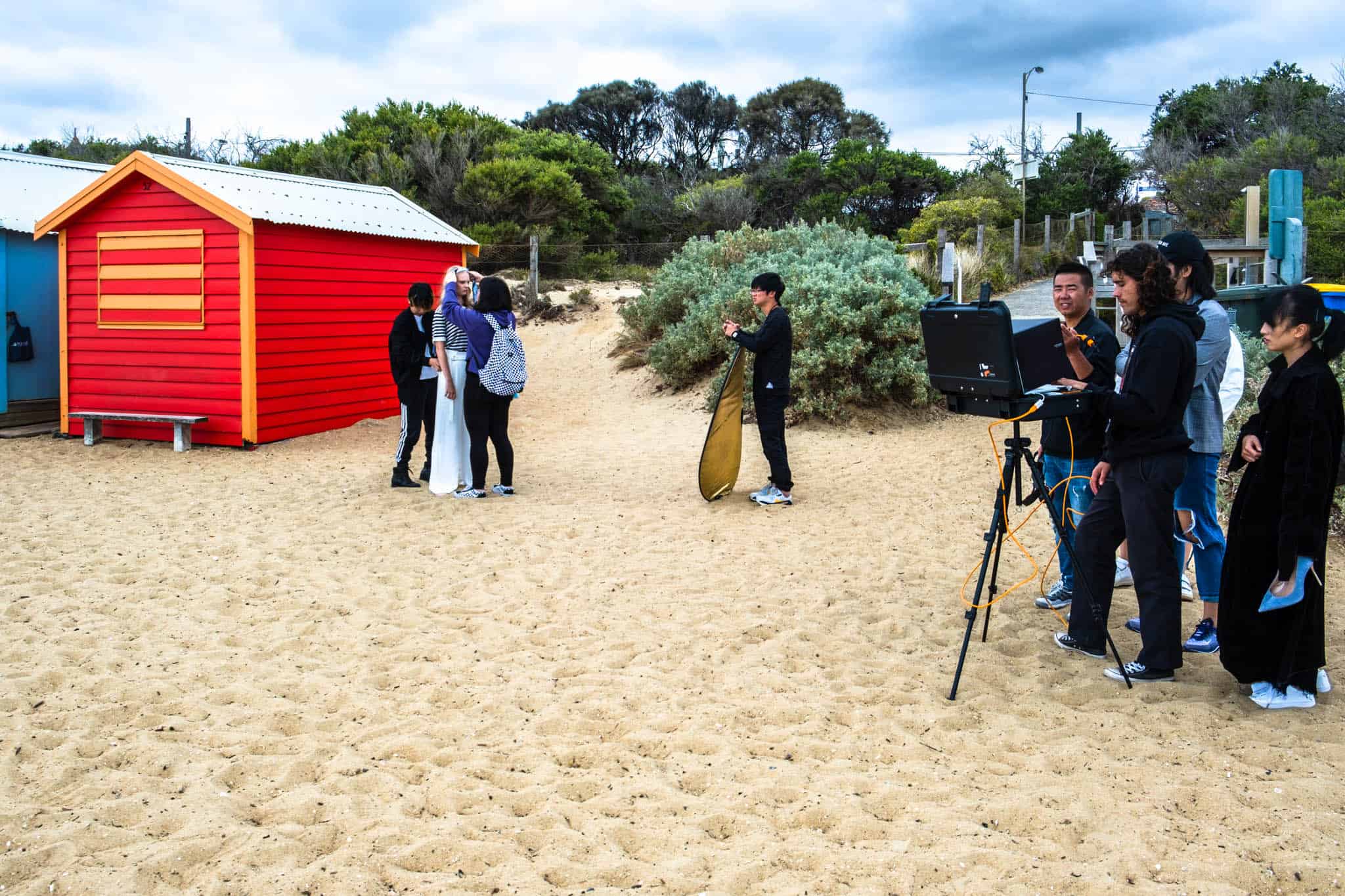
Only residents paying local council rates can buy them. Look out for the red and white striped bathing box 76B. Nick a grandfather of ten, and his wife Ivanka, bought it for $337,000 in April 2018. They are undoubtedly an investment and a good place for a fashion shoot.
The second stop is an hour away, where we have lunch, Moonlit Sanctuary Wildlife Conservation Park in Pearcedale.
It’s 10 hectares of bushland, inspired by the work of Gerald Durrell, the British naturalist and author, and dedicated to the conservation of endangered species.
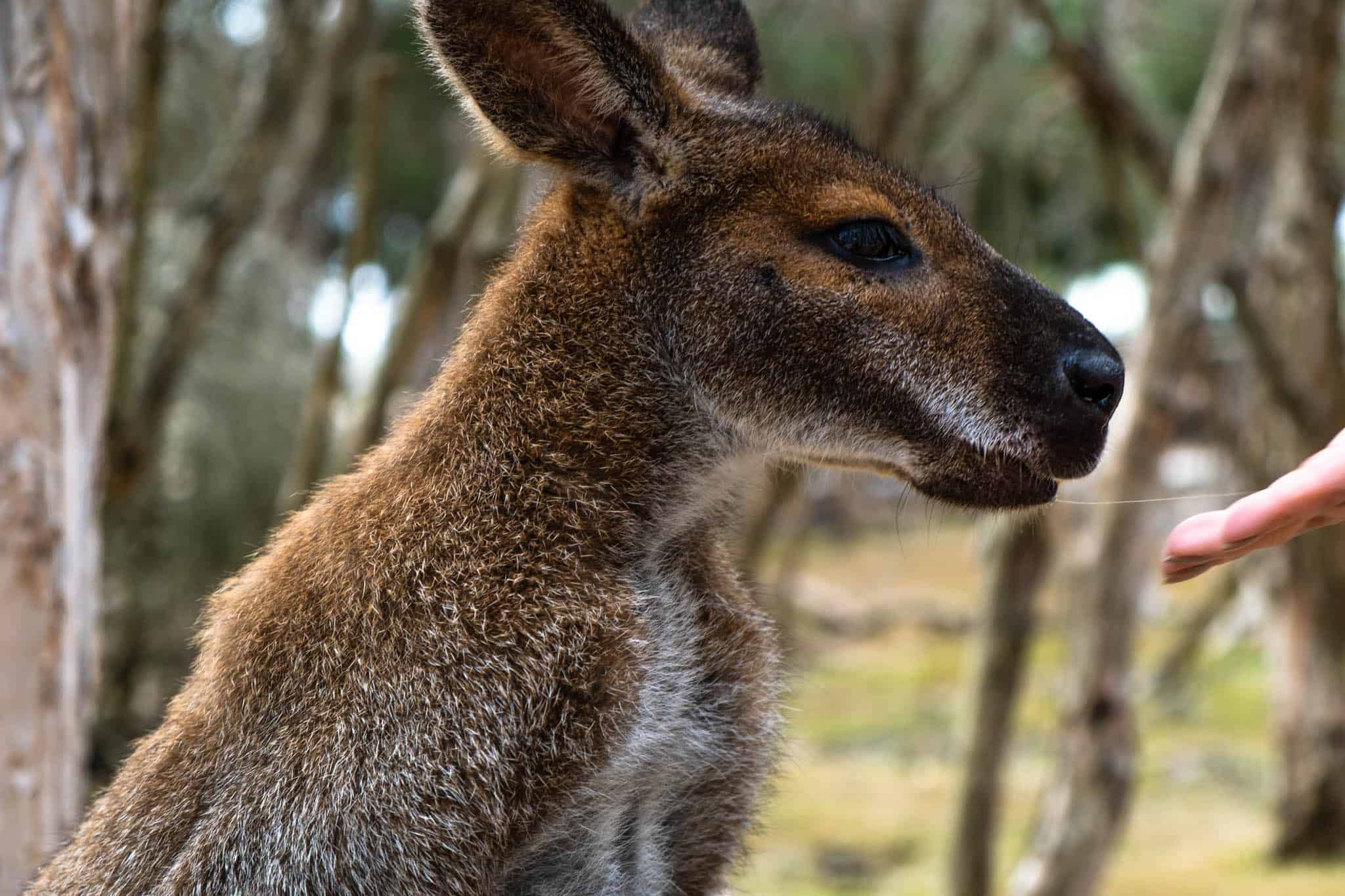
Buy a couple of bags of animal food and feed the kangaroos and wallabies.
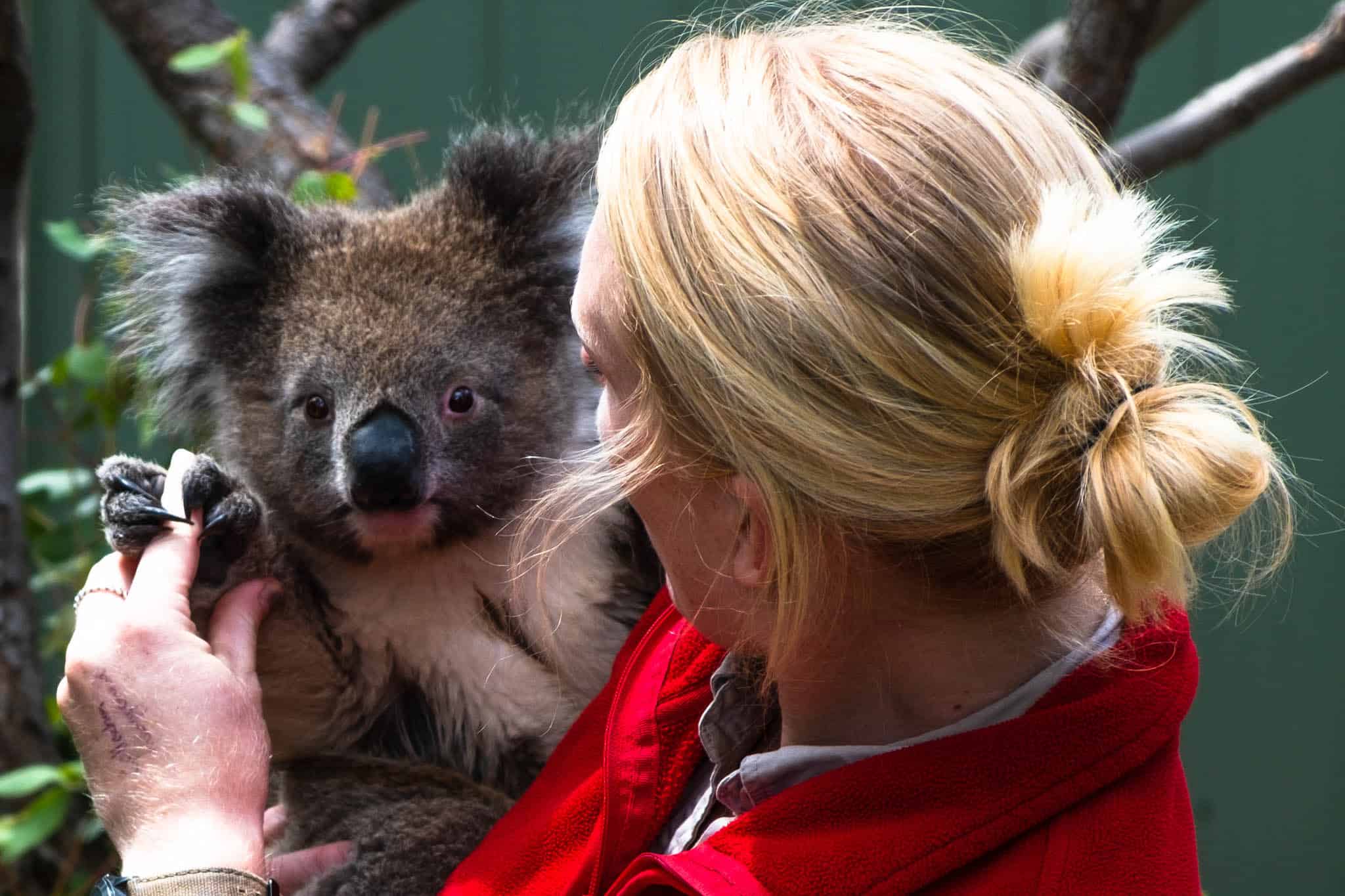
Listen to a keeper giving a presentation – these take place every half an hour. We saw one on the adorable 1 year old baby koala born in the sanctuary.
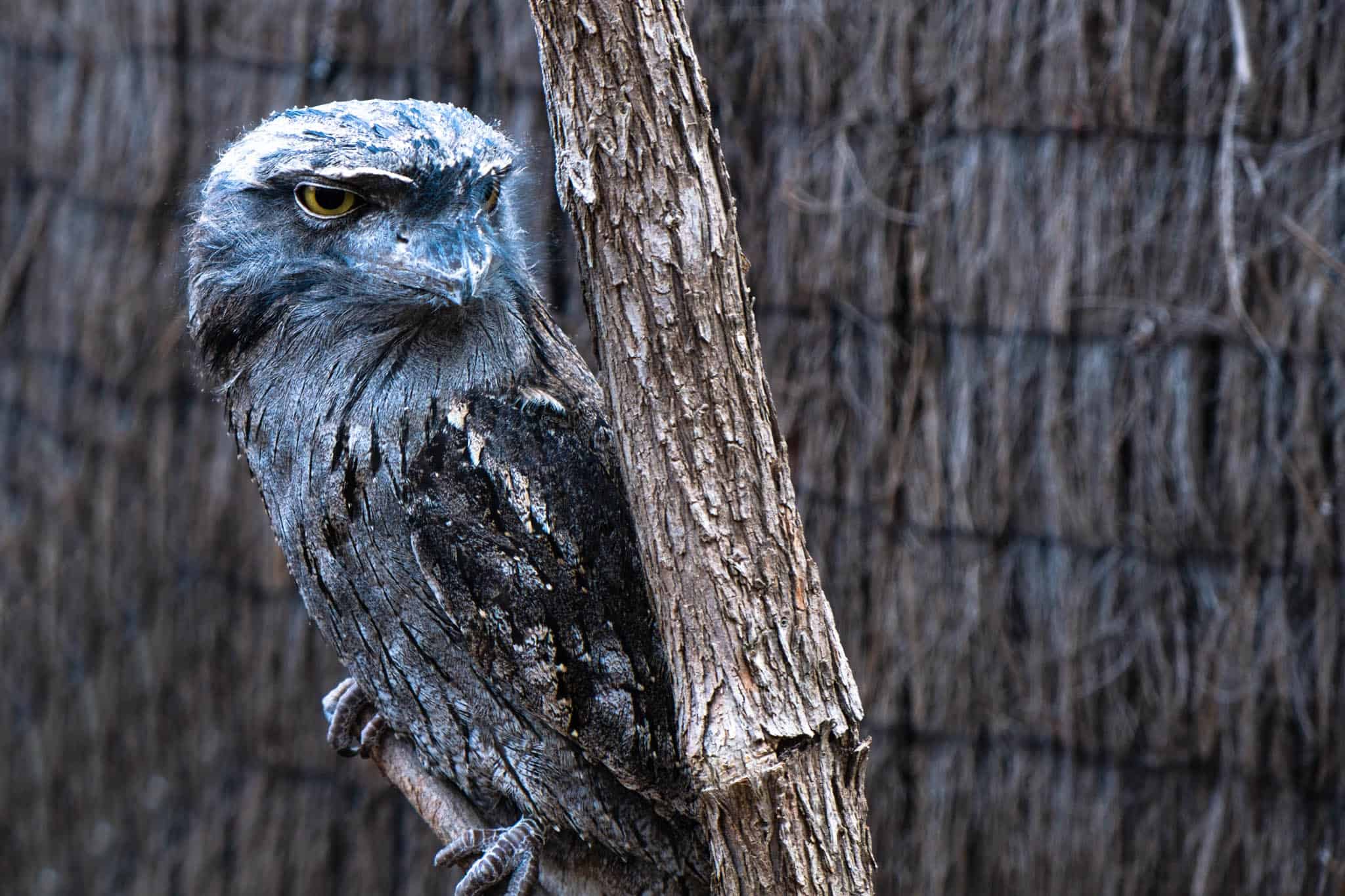
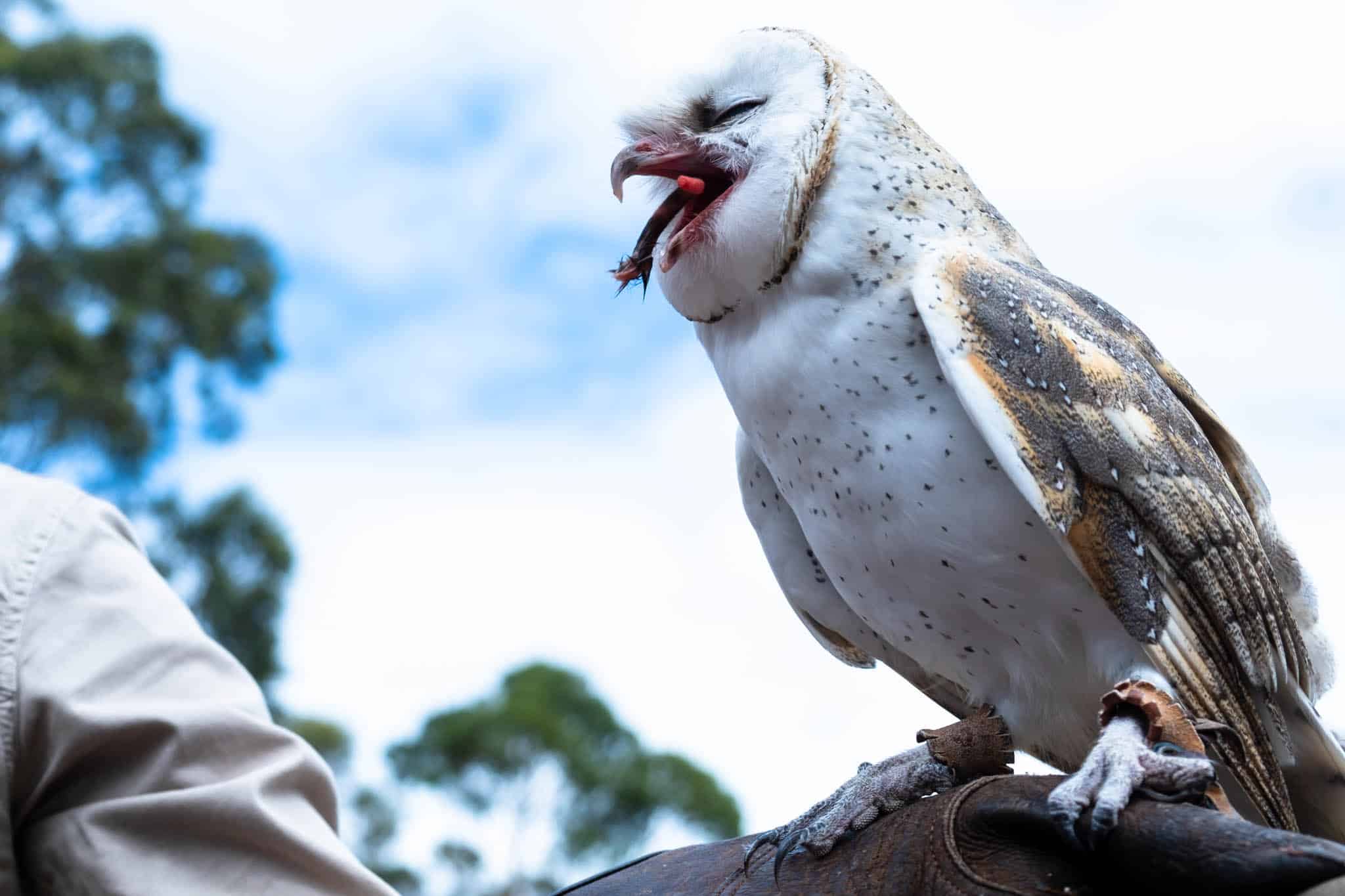
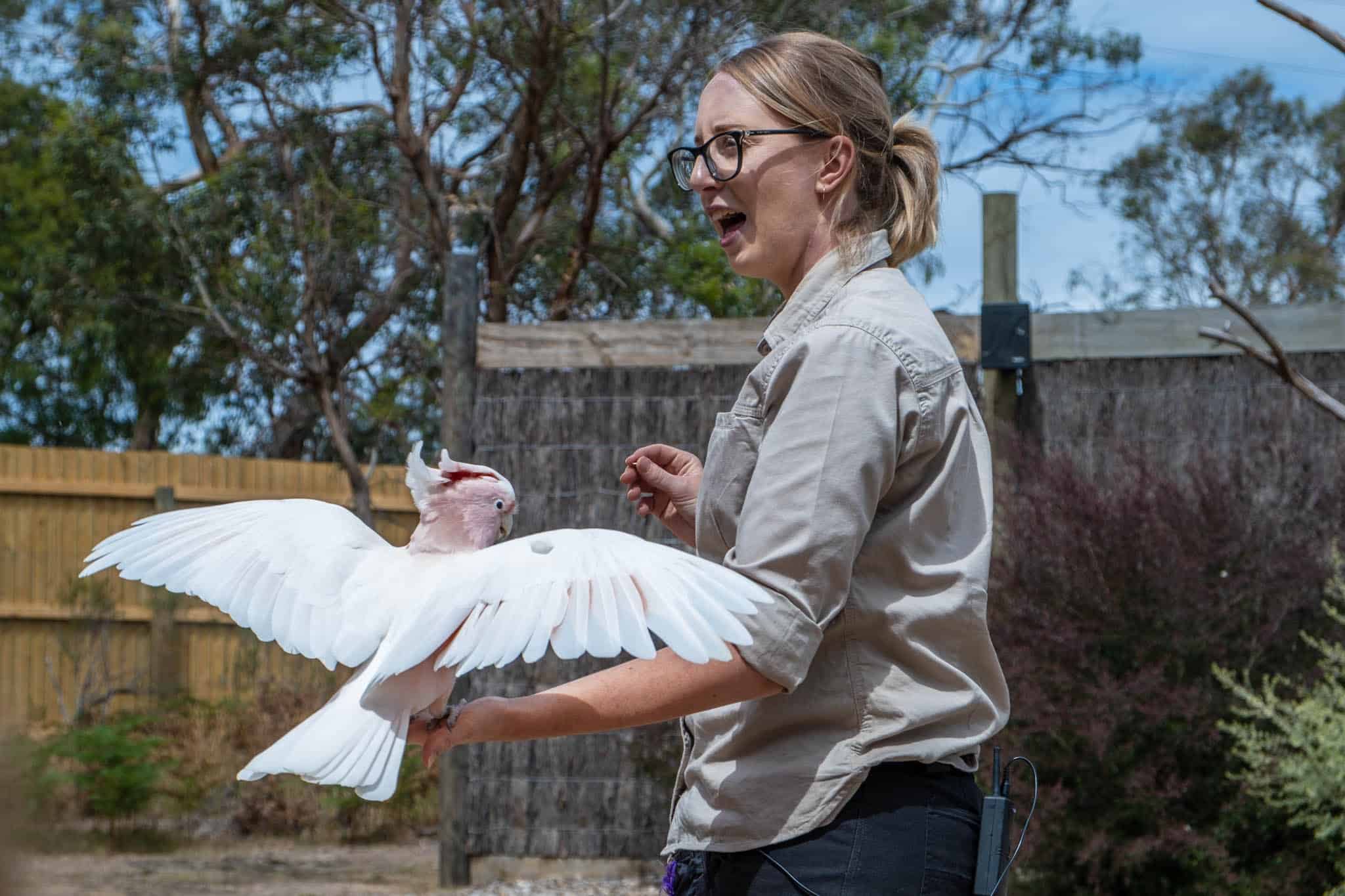
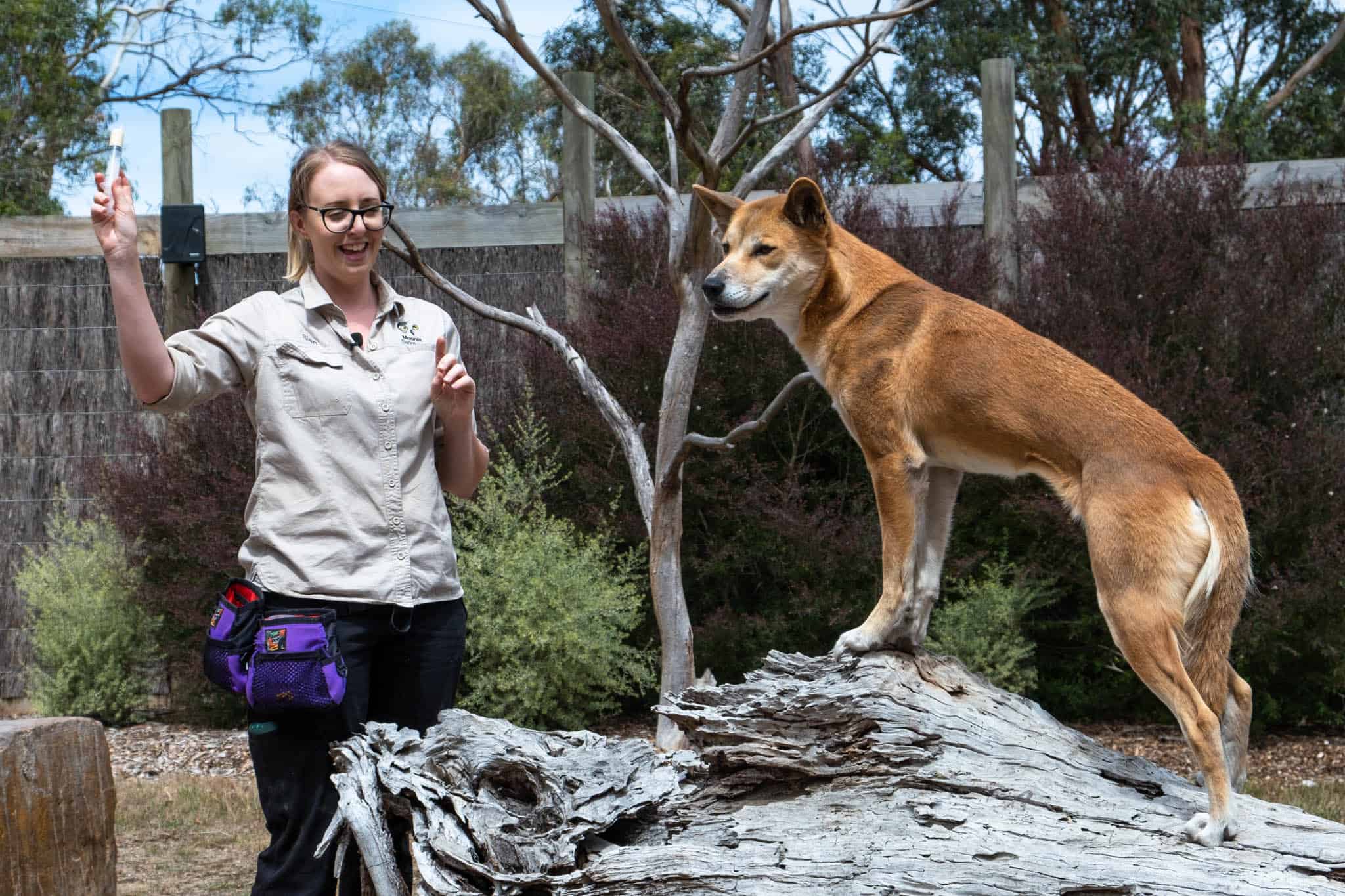
The highlight is the wildlife show at 2.20 pm, where an experienced keeper describes the behaviour of cockatoos, dingoes, barn owls, tawny frogmouths and others. She has the animals and birds with her and clearly there is an incredible bond between them.
The park won the Victorian Tourism Award in Ecotourism.
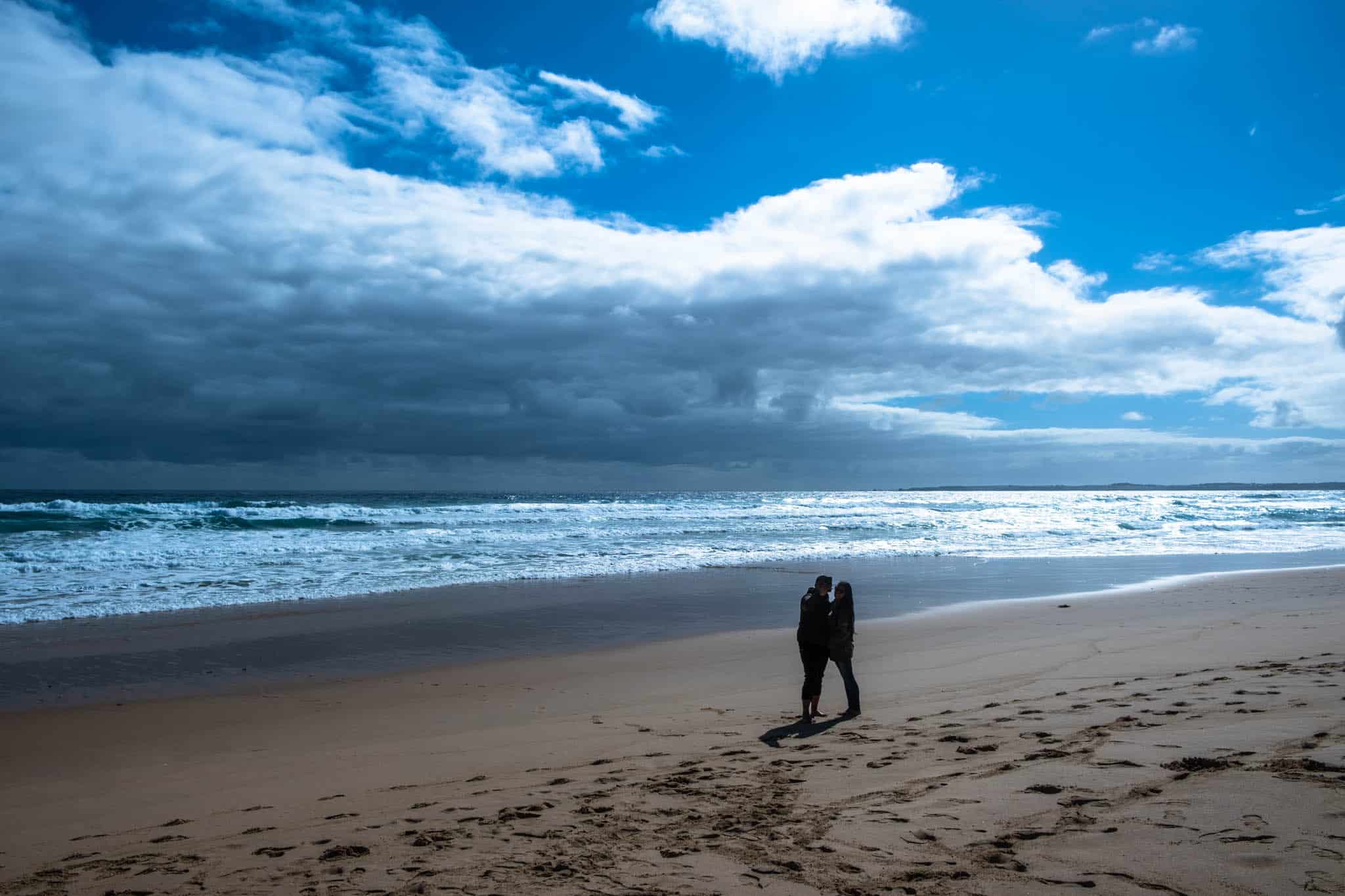
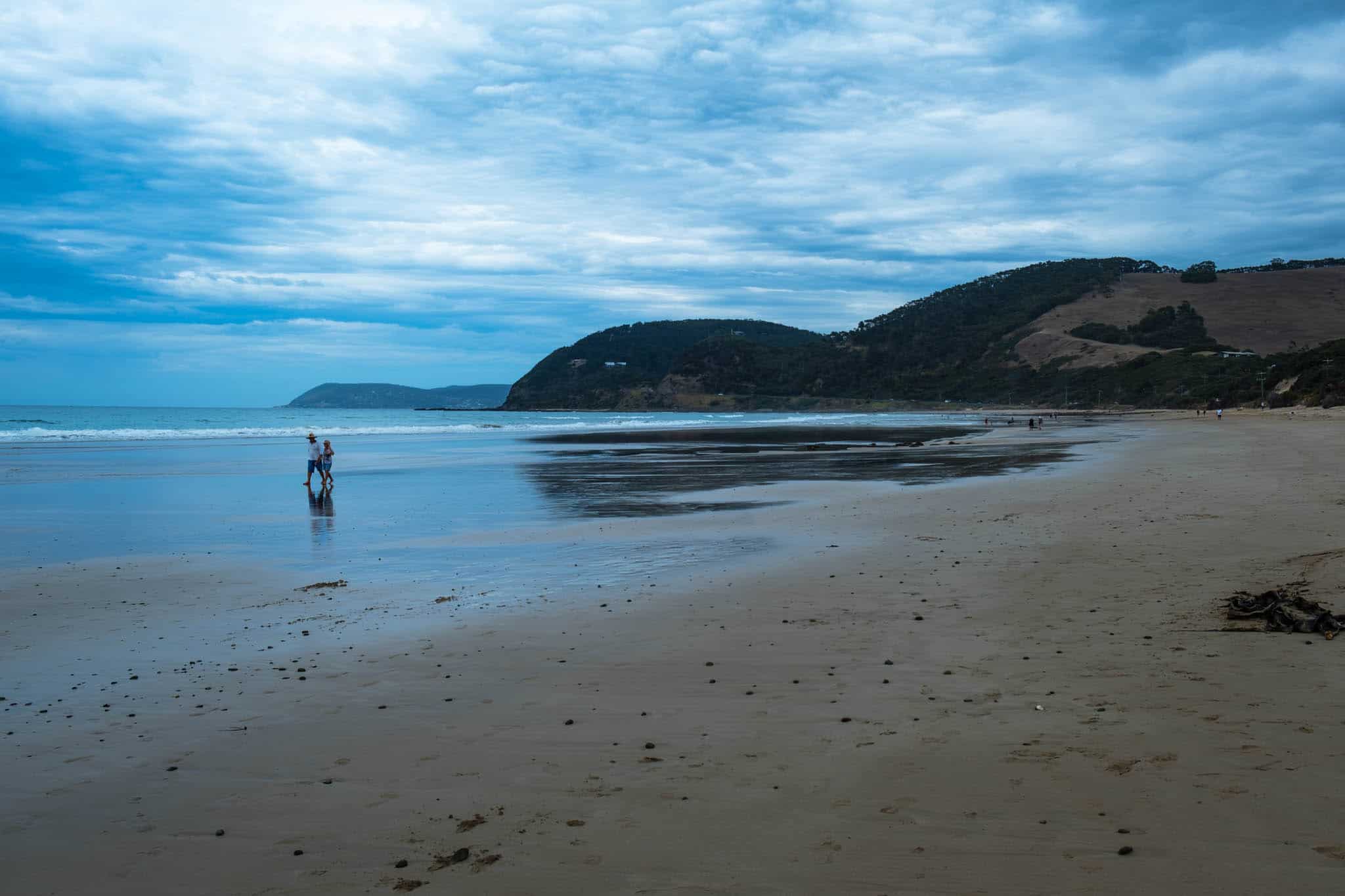
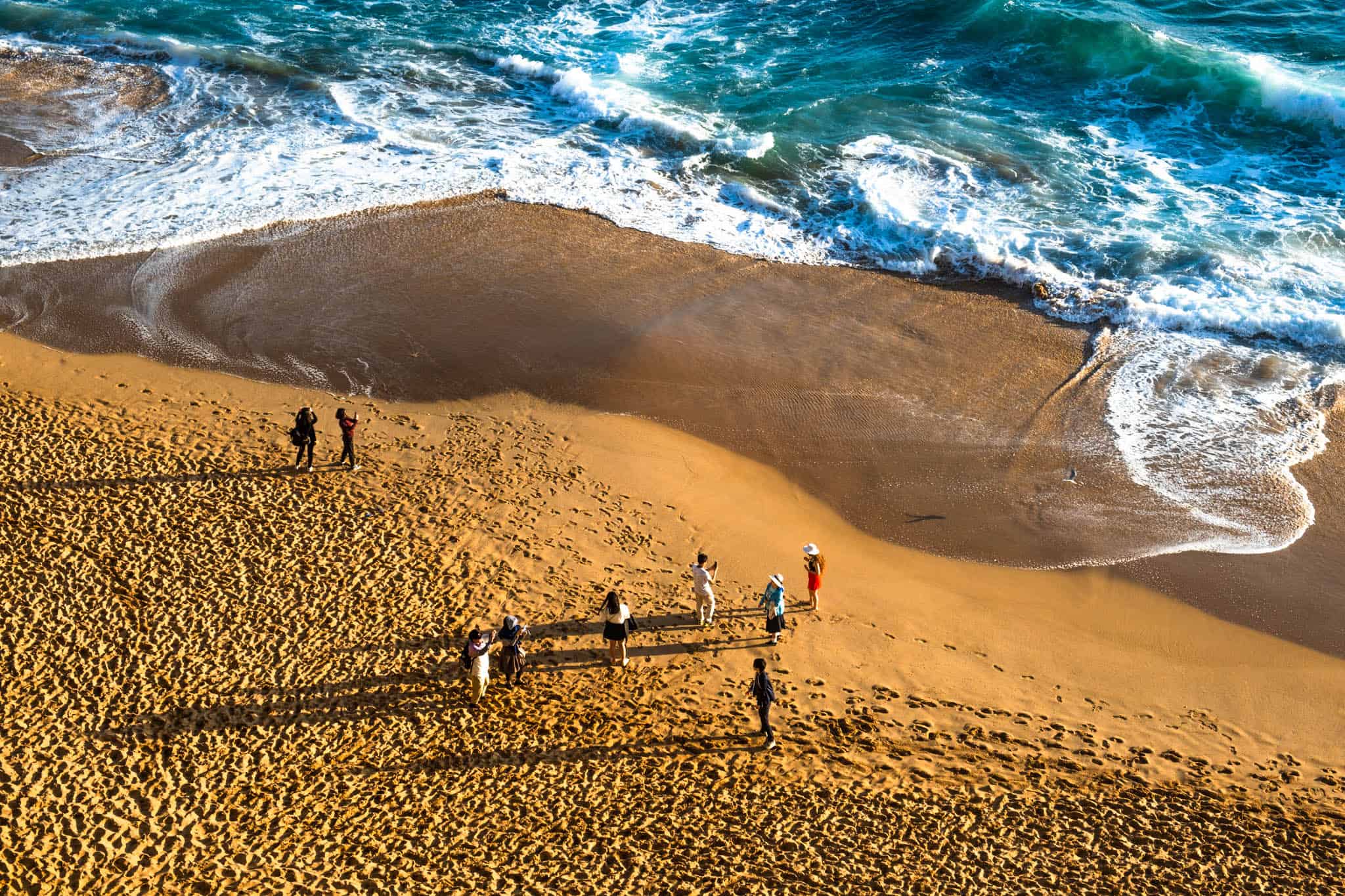
We travel on to Woolamai (Surf) Beach, the longest and most exposed beach on Phillip Island with its golden sand, before motoring on to Cowes for dinner.
Cowes has a vibe, lots of restaurants and shops and a lovely north-facing beach.
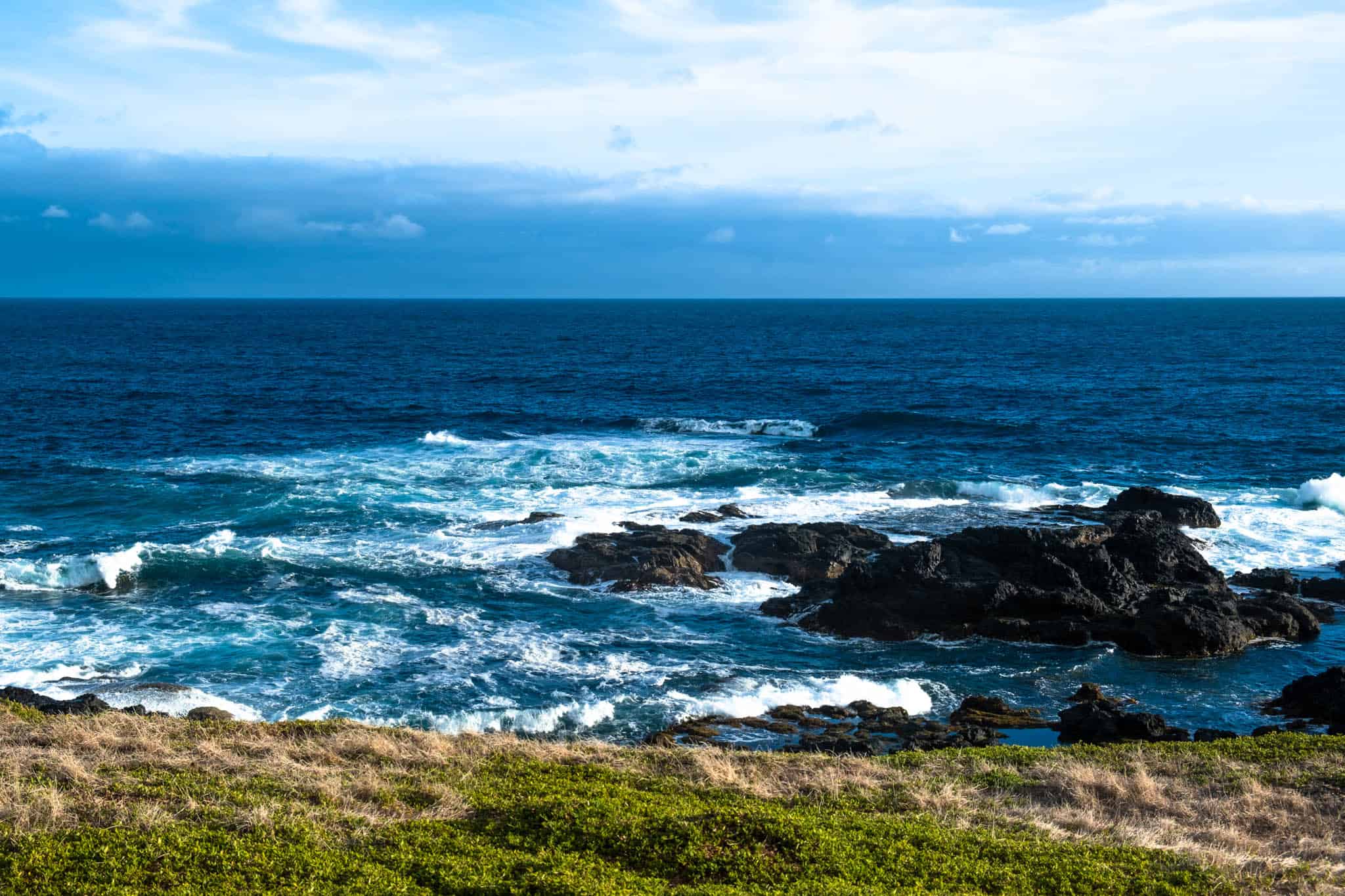
Then on to Nobbies Lookout for a spectacular stroll along the boardwalks with staggering views over the headland. You may well see penguins in their burrows.
Then the highlight: The Penguin Parade at Phillip Island. There are thousands of Little Penguins, who come out of the sea at dusk, full of fish in their bellies, to waddle back to their nests in the dunes and feed their young. They are the smallest of the 17 penguin species and the only penguin that lives permanently in Australia. No photography is allowed.
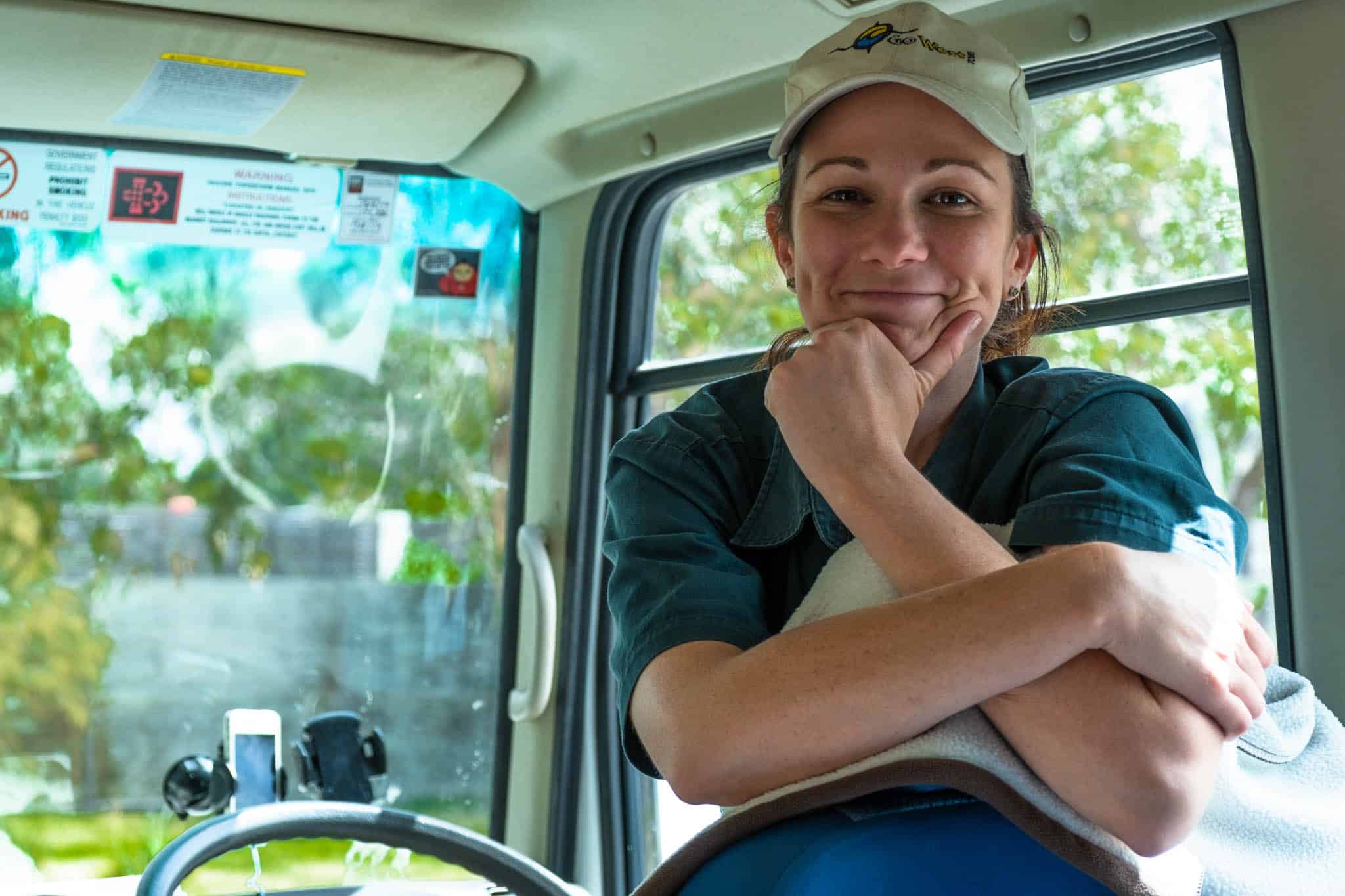
We travelled with Go West Toursin a comfortable (small – 24 people max) coach and friendly lady driver guide, Yazmin, pictured here. Highly recommended. They have a very efficient booking system on line.
After you have ridden the trams of Melbourne, a wonderful, cosmopolitan city and once the richest in the world, there are 3 trips you must do. You have to drive along the Great Ocean Road (550 km), south west of Melbourne, to see the Twelve Apostles at sunset, go over to Phillip Island and drool at the nightly Penguin Parade and thirdly taste Victoria’s finest wines and exquisite gourmet foods in Yarra Valley.
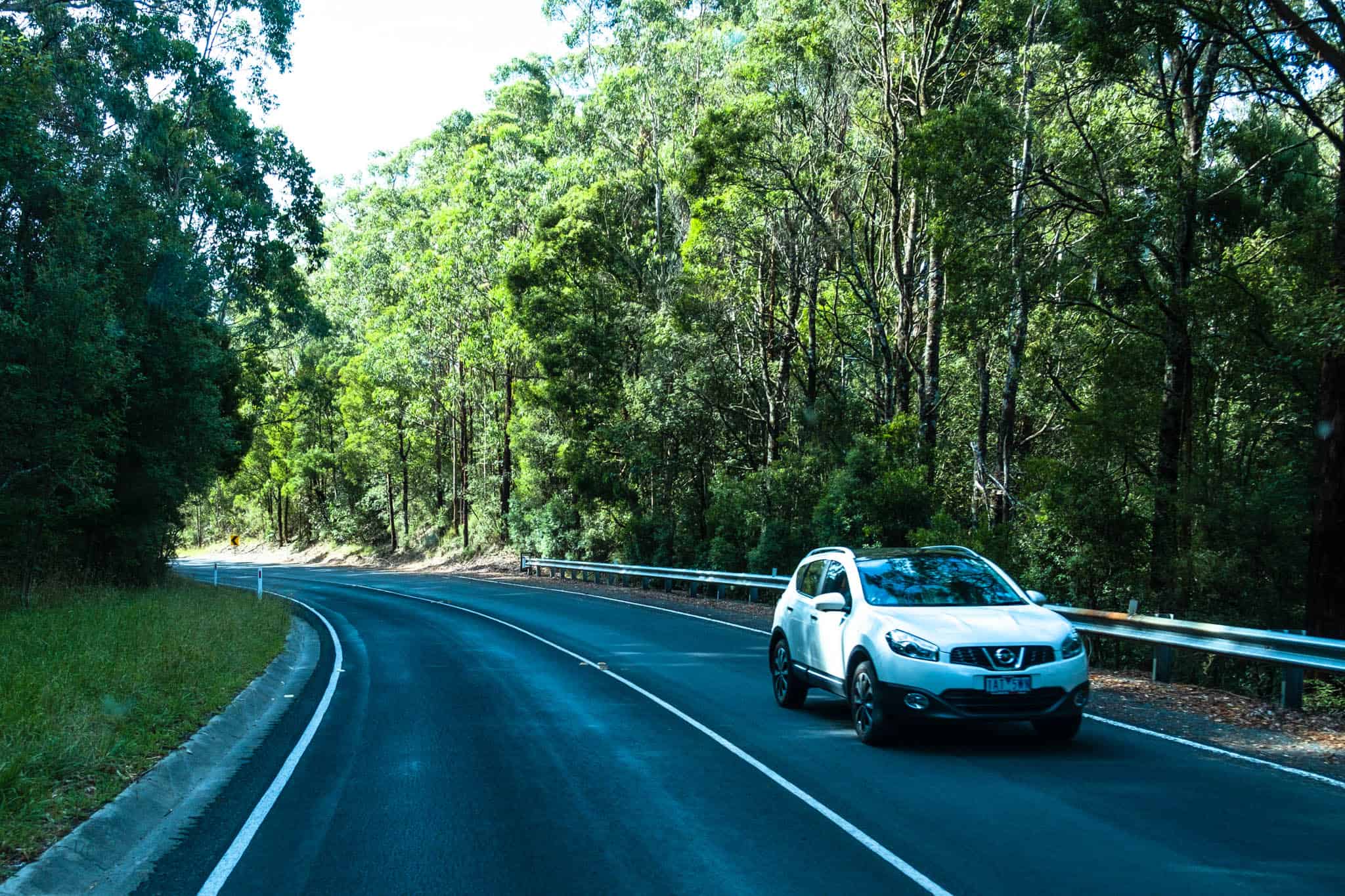
The Great Ocean Road is one of the most incredible stretches of land in the world and not to be missed. The tour is a long day but worth every minute (and cent) and one that gets better and better as the day goes on and ends in a great climax. There are a number of stops along the way, which give great photo opportunities and a welcome chance to stretch the legs.
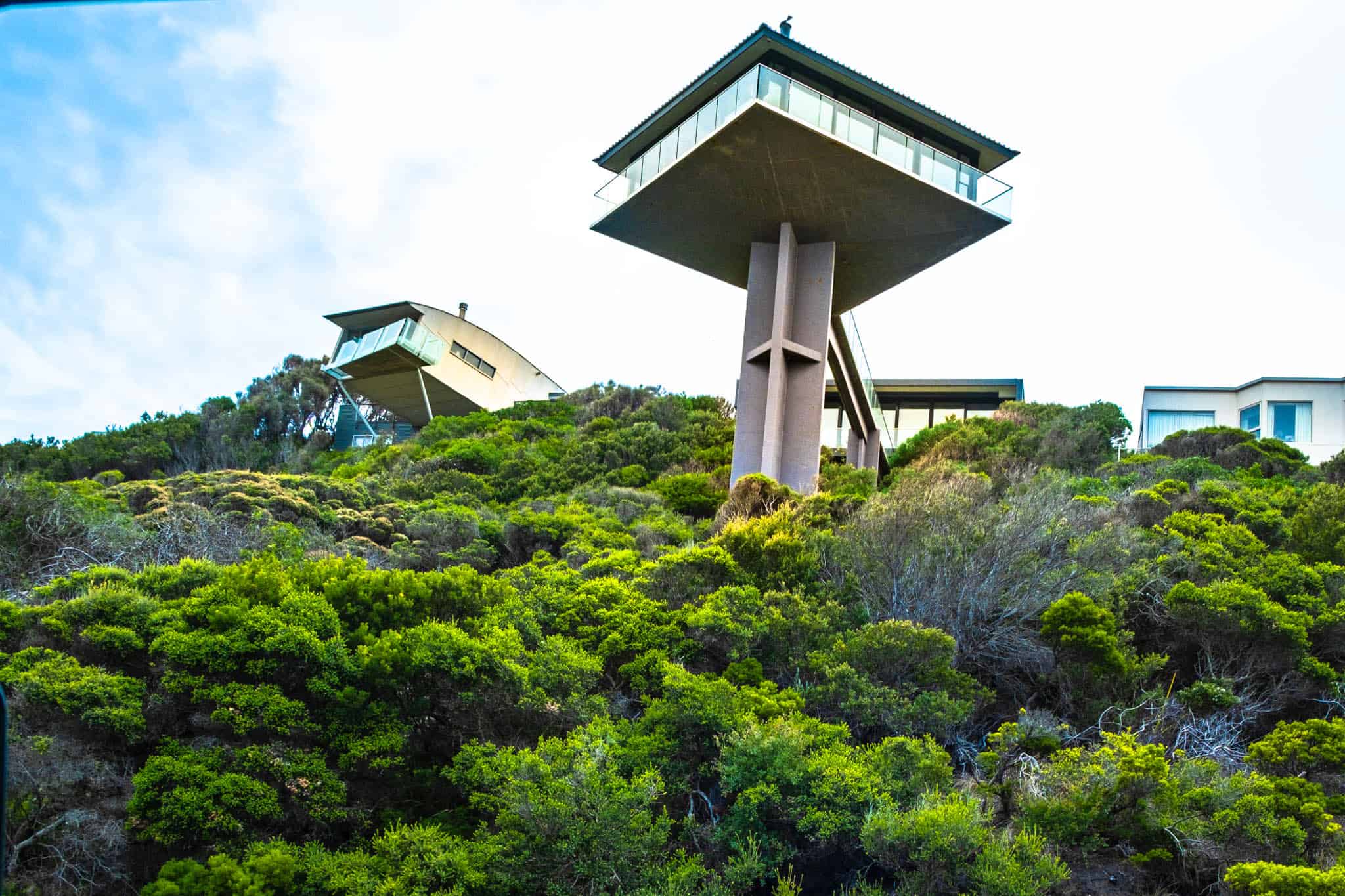
At Aireys Inlet keep an eye out on the right for the theatrical, iconic, 3D Pole House, 40m above sea level, with 360 degree unobstructed views of the Southern Ocean, originally designed by architect Frank Dixon as a holiday home for his family in the 70s.
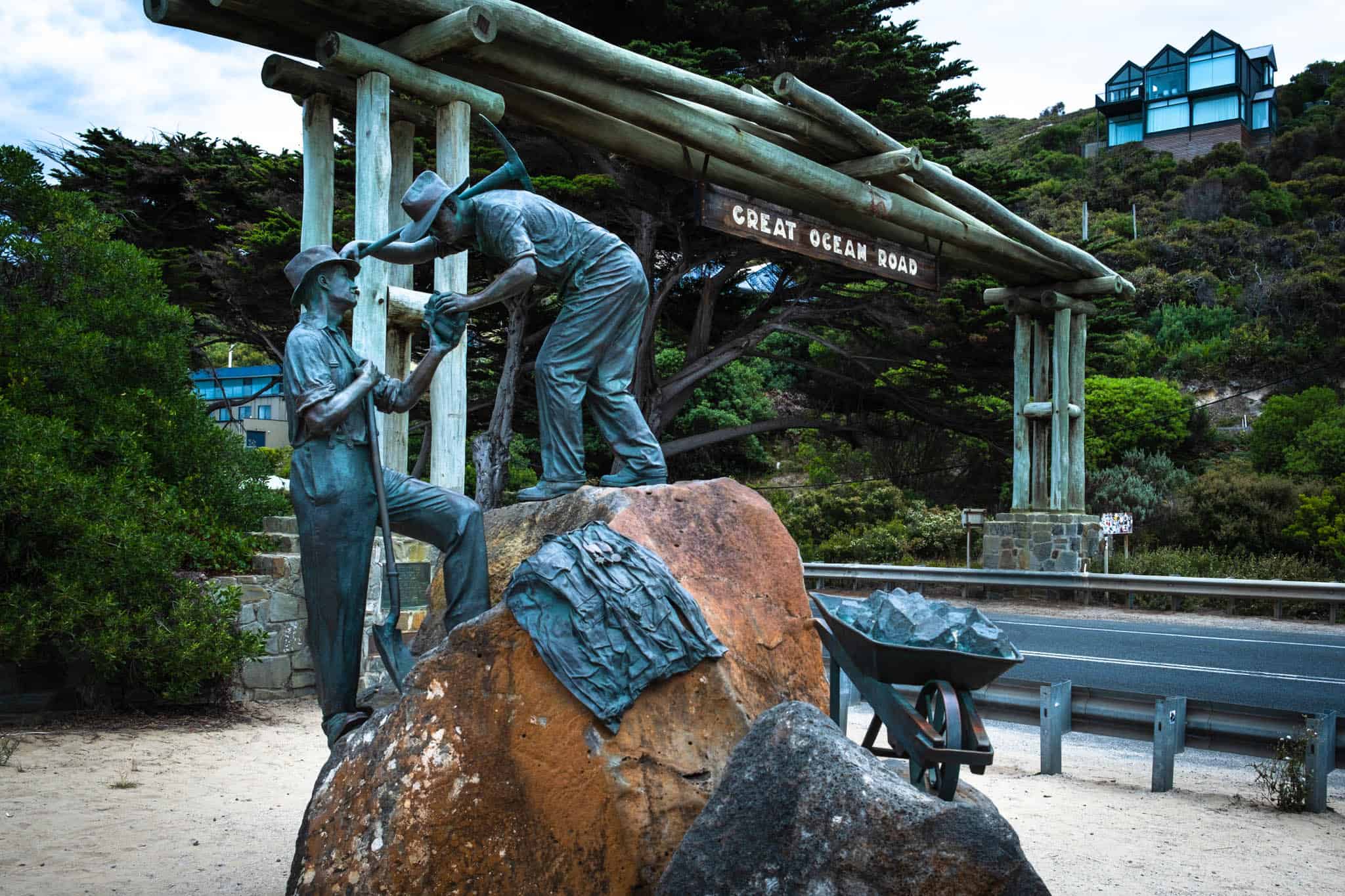
The Great Ocean Road was built between 1918 and 1932 by 3,000 veterans returning from the First World War (1914-1918). They were in desperate need of a job. The Memorial Arch is a tribute to them. The arch was put up in 1939 and has been replaced several times. The present arch is the fourth. One was destroyed in the Ash Wednesday bushfires of February 1983.
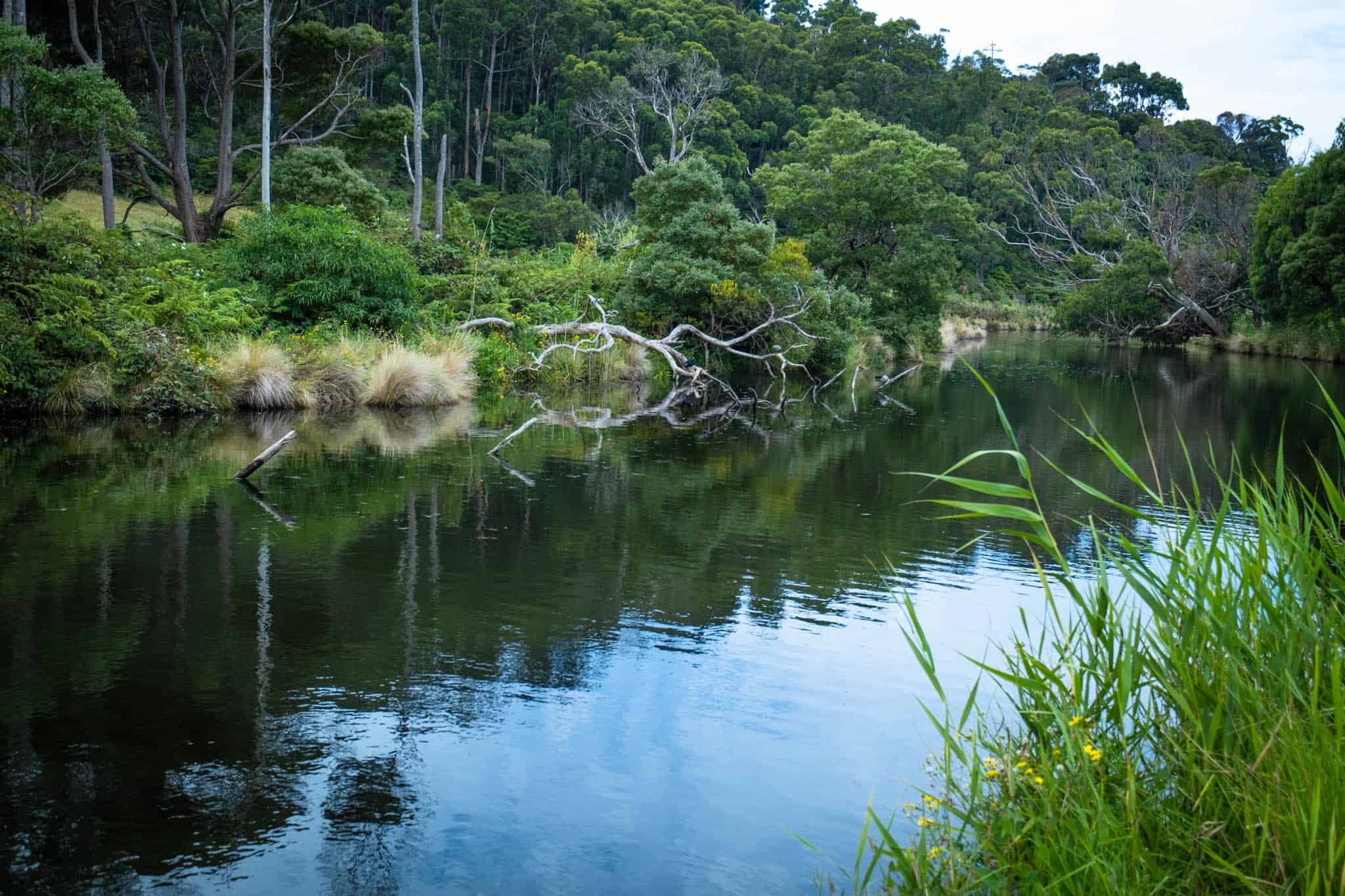
The next stop, about an hour and a half in, is Angelsea, which has a nice coffee shop and river alongside the main road. Then 124 km to Lorne for lunch.
Lorne was given the name in 1871 after the Marquess of Lorne from Argyleshire in Scotland (full name John George Edward Henry Douglas Sutherland Campbell, 9th Duke of Argyll) on his marriage to Princess Louise, one of Queen Victoria’s daughters. This was the first time a legitimate daughter of the sovereign had married a subject of the Crown since 1515. He was the fourth, and at 33 years the youngest, Governor General of Canada.
In 1891 Rudyard Kipling visited the area and was inspired to write the poem Flowers, which includes the lines,
Buy my hot-wood clematis,
Buy a frond of fern,
Gathered where the Erskine leaps
Down the road to Lorne.
The Erskine River starts at Lorne.
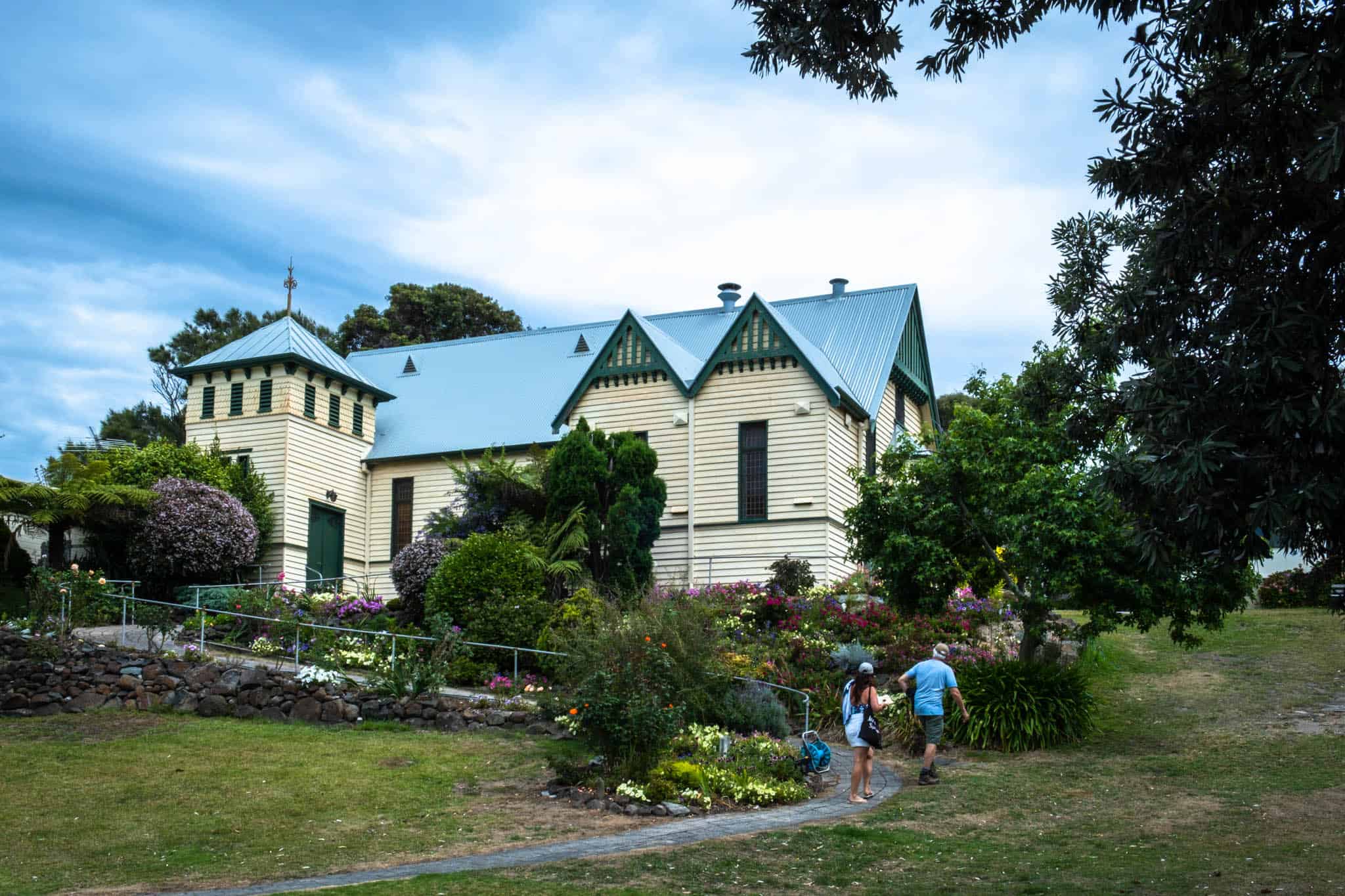
There’s a wide range of restaurants for lunch on the main drag called Mountjoy Parade. Look out for the beautifully proportioned St. Cuthbert’s Anglican-Uniting Church on the hill. It was built in 1892 and is a National Trust of Australia property. Unfortunately it was closed when we were there. Will just have to go back.
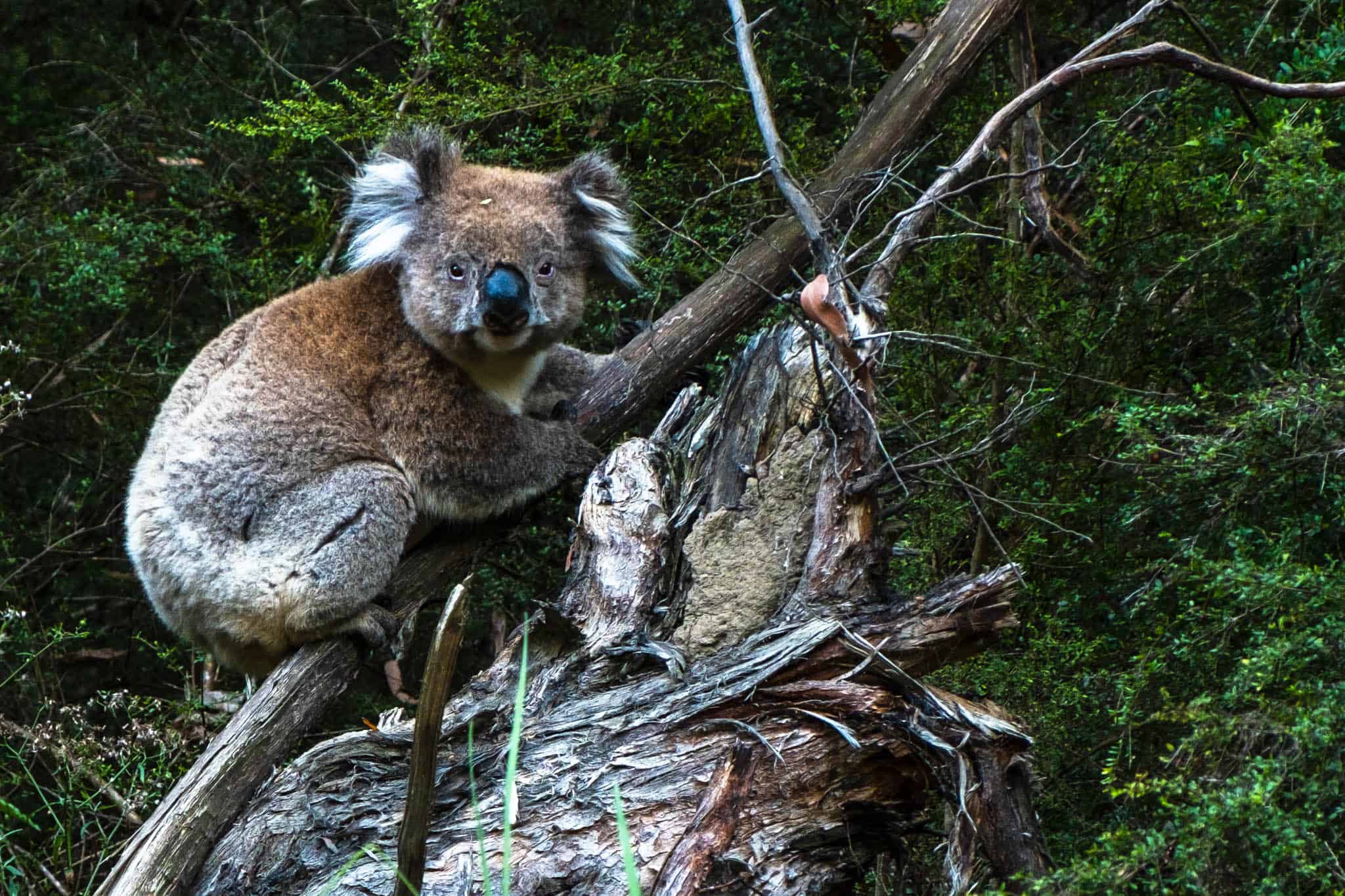
Now the fun really begins with Kennett River, a small hamlet, on a beautiful river, full of wildfowl, where you will almost certainly spot koalas in the gum trees.
There are 1,800 of them in the area, so the chance of seeing one is very high, sometimes with their babies. It’s one of the best places in Australia to see them in the wild.
Now a drive through the Otway Ranges. It’s a rainforest of over thirty million years and a National Park. Put your nose out the window and you can smell the Eucalyptus trees.
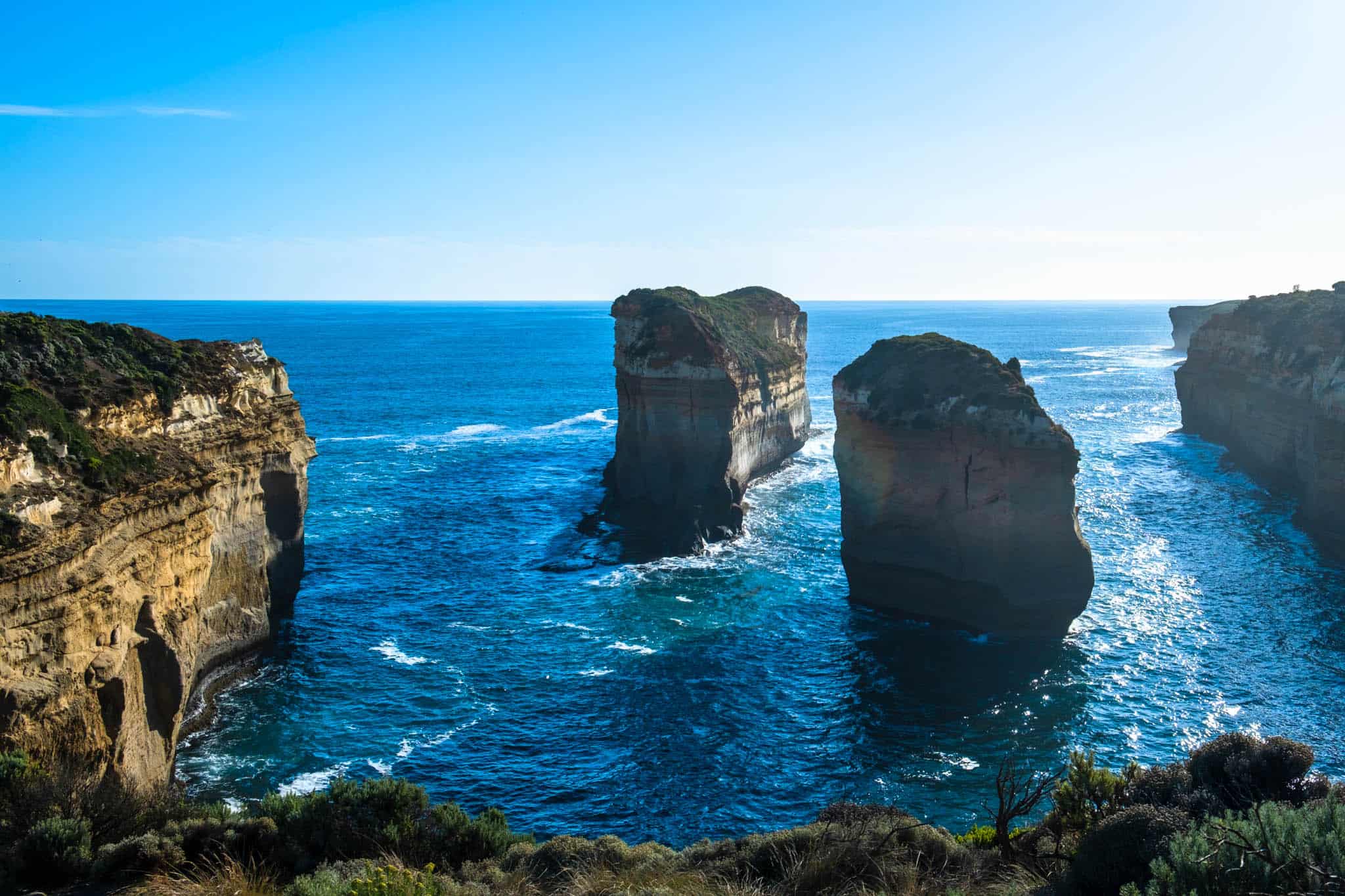
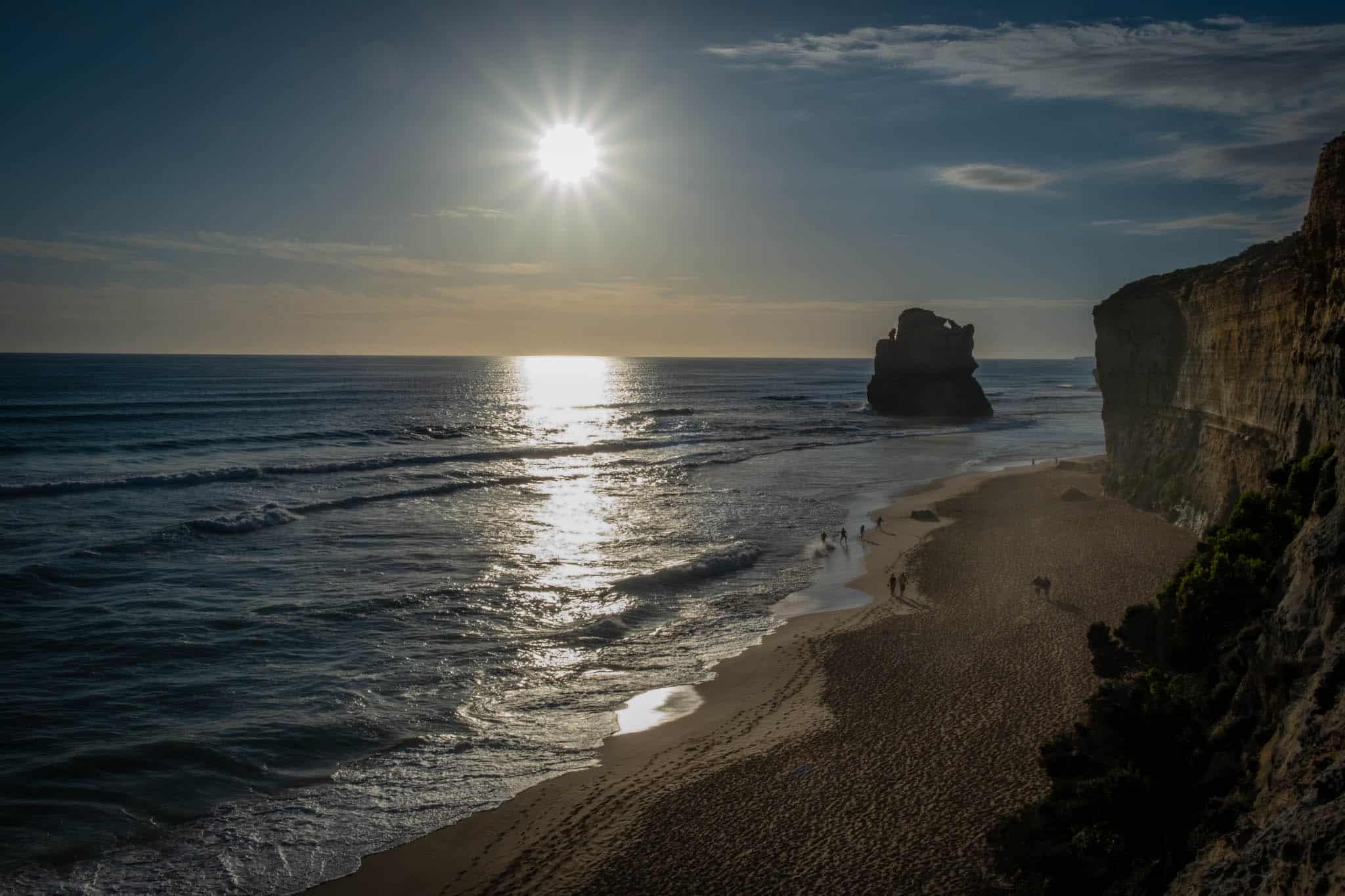
We stop at the picturesque Loch Ard Gorge, an inlet of translucent, blue water, between two yellow-glowing cliffs and tufts of green. The two rocks are called Tom and Eva after the two survivors of a shipwreck in 1878. A large clipper named Loch Ard left England on the 90 day journey to Melbourne when, one day from arriving, it struck an outer reef and was shipwrecked on nearby Muttonbird Island. Only two of the fifty-four passengers survived, one was 15 year old Tom Pearce and the other a 17 year old Irish girl called Eva Carmichael. Both were washed ashore. Tom walked for miles and got help and saved her life. She returned to England but Tom stayed on in Australia.
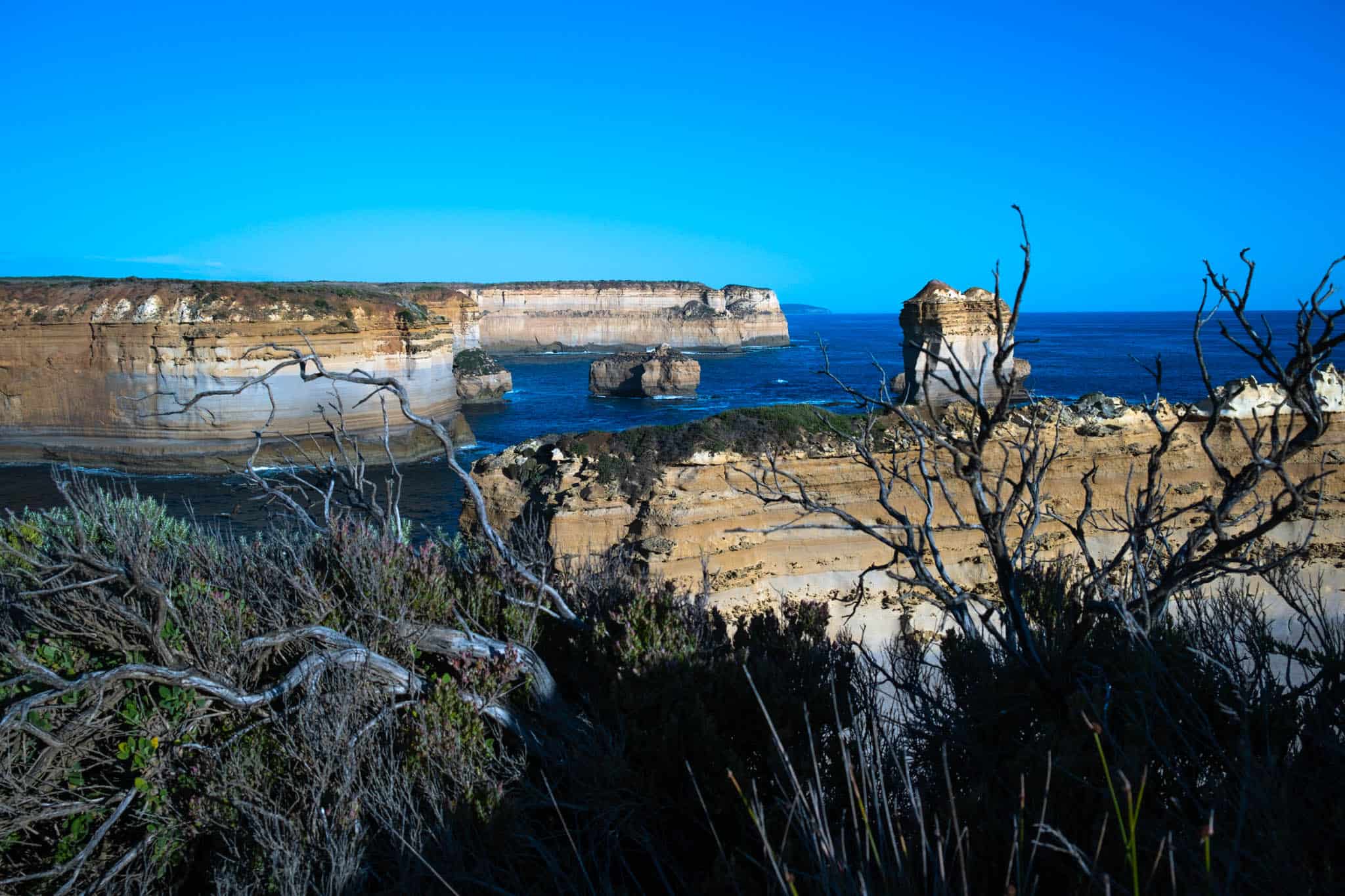
There are 3 walks here. The Razorback has two viewing areas of the indescribably beautiful offshore stacks.
Five minutes away are the magnificent Gibson Steps, which lead to the fabulous beach. Originally, it is thought they were cut by the Kirrae Whurrong, a local tribe.
In 1869 Hugh Gibson built nearby Glenample Homestead and regularly used the steps to get supplies from the beach. It was also used by fishermen. The steps are named after him. He gave shelter to Tom and Eva after the shipwreck.
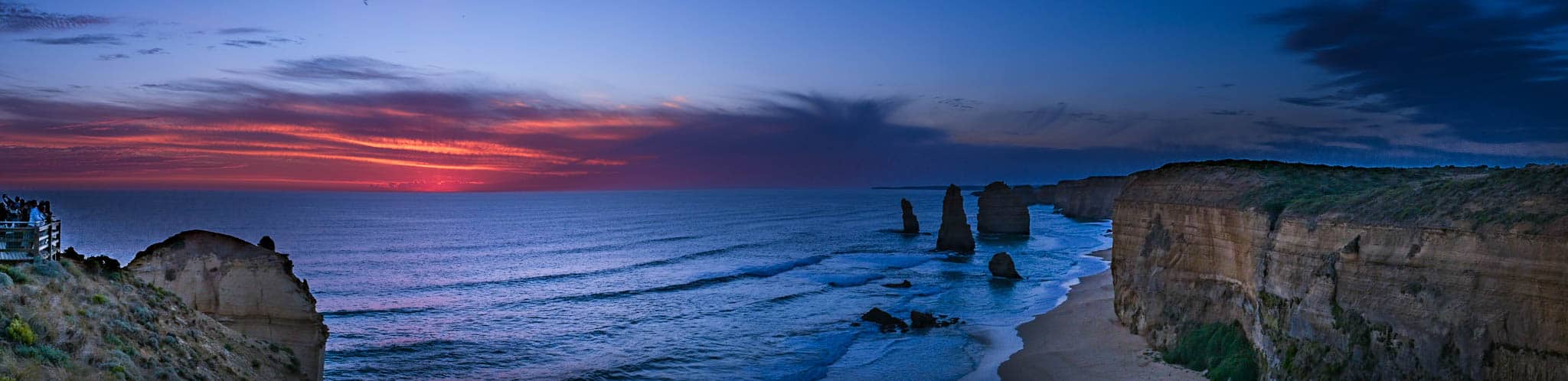
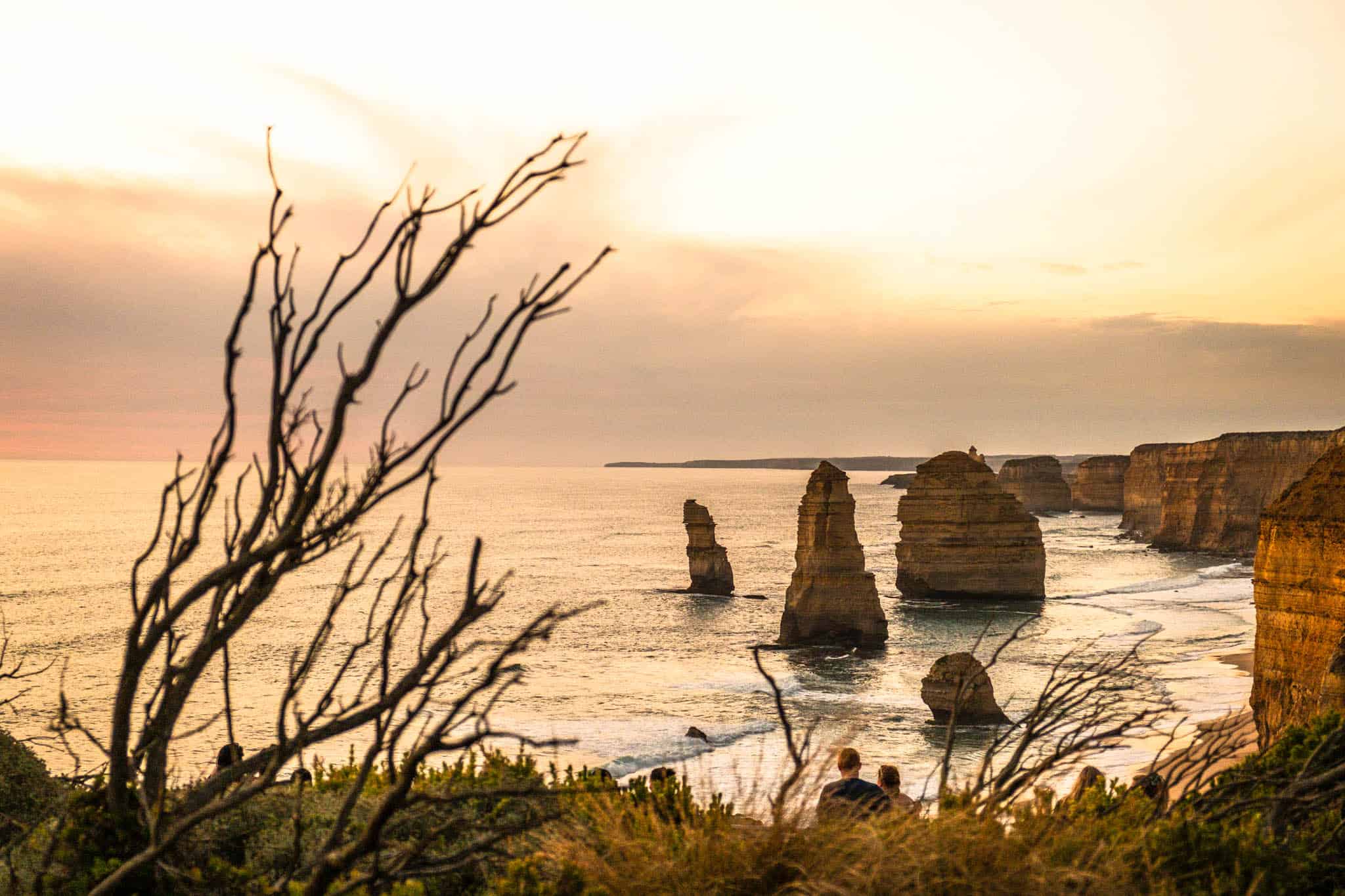
Two minutes away are the highlight of the trip, the rugged, limestone stacks, the Twelve Apostles. In fact there are eight! There were only ever nine, the ninth having collapsed dramatically in July 2005.
Erosion created the apostles. Extreme weather conditions, wind and sea, gradually eroded the soft limestone to form caves in the cliffs, which became arches, which in turn collapsed, leaving 50 metre high rock stacks.
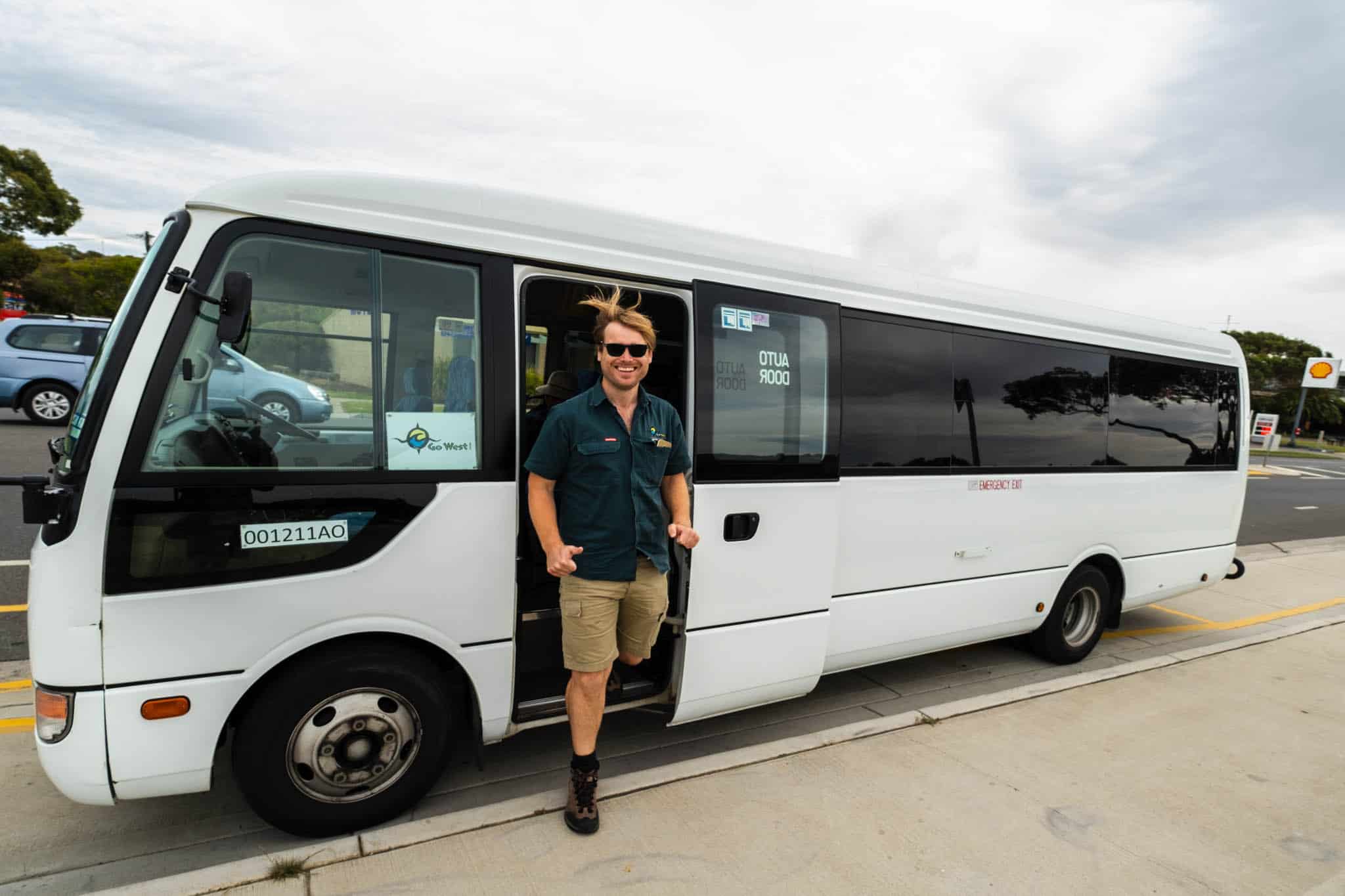
Which is the best tour company to go with? I think it’s Go West Tours. Why? Simply because they stop at the places I mentioned and don’t rush there and back. They have comfortable (small – 24 people max) coaches and friendly driver guides, like Stefan, pictured here, keen to go that extra mile. If they charge a bit more , it’s well worth it.
If all the big names in the Balinese culinary world started with small warung that expanded organically, Murni’s Warung in Ubud is definitely the first that began as a batik shop. With her American husband Pat, Ni Wayan Murni moved shop to a more strategic location on the side of a main road below the hermitage of the painter Antonio Blanco.
It started with Pat liking Murni’s black glutinous rice porridge, and Murni learning how to make Western-style breakfasts from Pat. Eventually, four tables and 16 chairs were added to the batik shop that had been catering to customers of Antonio Blanco who wanted breakfast and coffee. Murni’s consistent quality means the warung is now a culinary icon in Ubud.
100 Best Foods of Bali
by Bondon Winaro, Lidia Tanod and Harry Nazarudin, Penerbit Jalansutra, 2015
Murni’s Warung, Jalan Raya, Ubud
✆ +62 361 975233 www.murnis.com
Au niveau du pont de Campuhan.
Ouvert tous les jours de 9h à23h. Plats àpartir de 45 000 Rp.
Demandez Murni’s àvotre arrivée à Bali et votre chauffeur saura oùvous emmener. Car tout le monde connait la proprietaire des lieux, la personne la plus charmante d’Ubud vous diront meme certains.
Murni concocte depuis des decennies une cuisine indonesienne et thaïet àla fois authentique et travaillé(elle a heritédes recettes de sa mere et de sa grand- mere), àbase d’ingredients frais et de qualite. Le warung fut le rendez-vous des branches des annees 1975-1980. Dans un superbe cadre (descendre les terrasses successives accrochees a la gorge pour arriver tout en bas, dans un bain de fraicheur et de vegetation). Les gateaux maison sont simplement divins. Murni’s Warung est une institution!
Jalan Raya Ubud
✆ +62361975165
www.murnis.com
Le studio àpartir de 500 ,000 Rp jusqu’à2 ,300 ,000 Rp l’appartement pour 5 personnes. Petit dejeuner en option.
A seulement trois minutes de la rue principale d’Ubud, vous pouvez profiter du calme de ce lieu devenu une institution. Cet etablissement possede sept maisons confortables àla decoration traditionnelle balinaise. Chaque maison comporte deux chambres, un salon, une veranda et deux baignoires exterieures. Le salon possede egalement un lit. Murni’s Houses and Spa appartenait au celebre pionnier local Murni qui a fondé Murni’s Warung, le premier restaurant international d’Ubud en 1974 ainsi que le magasin Murni’s Warung Shop, le premier magasin d’arts tribaux et d’antiquites àUbud. Les objets d’art ornent les murs et font du Murni’s Houses un veritable musee. Aux maisons, au restaurant et à la boutique s’ajoute un Spa (Tamarind) ou le personnel qualifie vous accueille dans une ambiance propice àla detente.
Murni’s Warung is a trailblazing modern restaurant in Ubud, and the name Murni is taken from the owner, Ibu Ni Wayan Murni. Where Murni’s Warung now stands, 41 years ago there were just four tables and a batik shop. Ibu Murni offered a simple menu, of coffee, toast, and customer favorite, bubuh injin, which she made herself.
Through persistence, hard work, and hospitality this small warung expanded. Together with her American husband, Pat, Ibu Murni opened a larger restaurant and enlarged the menu. Now there is not only traditional Balinese fare but also a number of international items to satisfy her customers, most of whom are foreigners. Ayam betutu is served with nasi kuning, and babi guling and bubuh injin remain favorites. To satisfy a sweet tooth, the Balinese Caramel Cake (created by Ibu Murni) and the apple pie are the most popular.
Because the restaurant is on the edge of a cliff next to the Campuhan River, it was built on four levels. Aside from the dining area, on the second floor there is a lounge bar where customers can enjoy snacks and drinks while listening to music. Choose whatever you want from the menu, then choose a great view to accompany your meal.
Murni’s Warung, Ubud – 100 Best Foods of Bali
by Bondon Winaro, Lidia Tanod and Harry Nazarudin, Penerbit Jalansutra, 2015
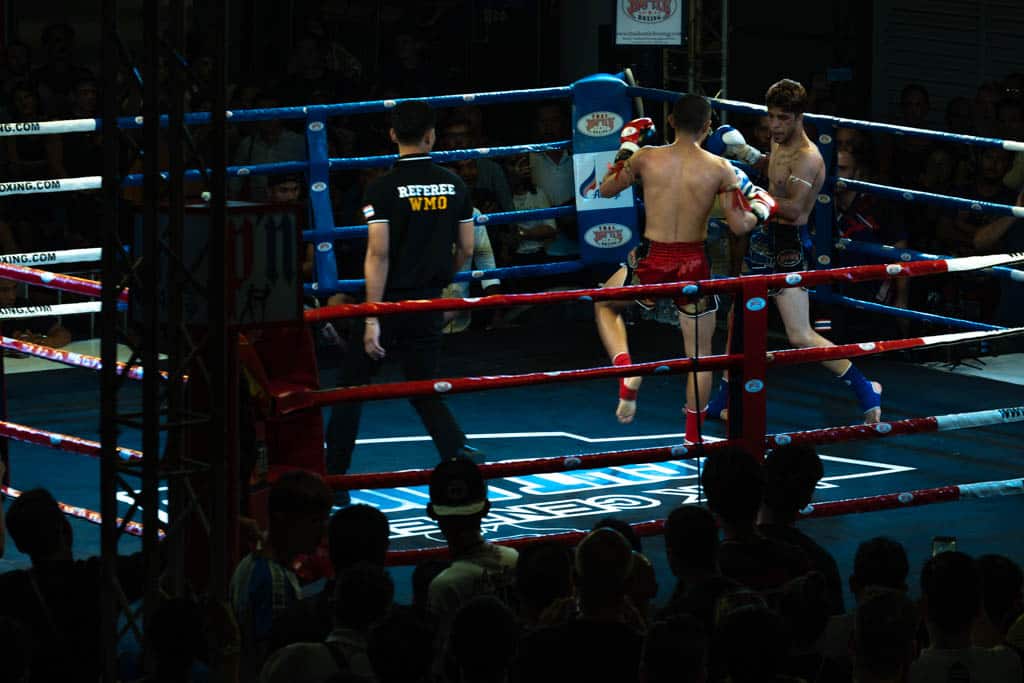
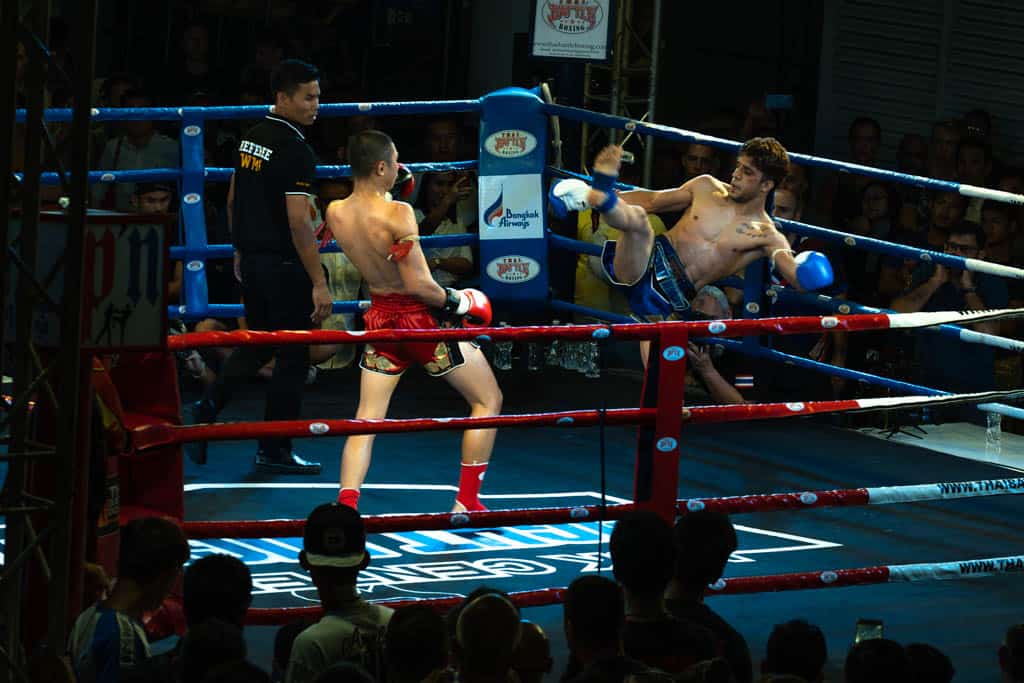
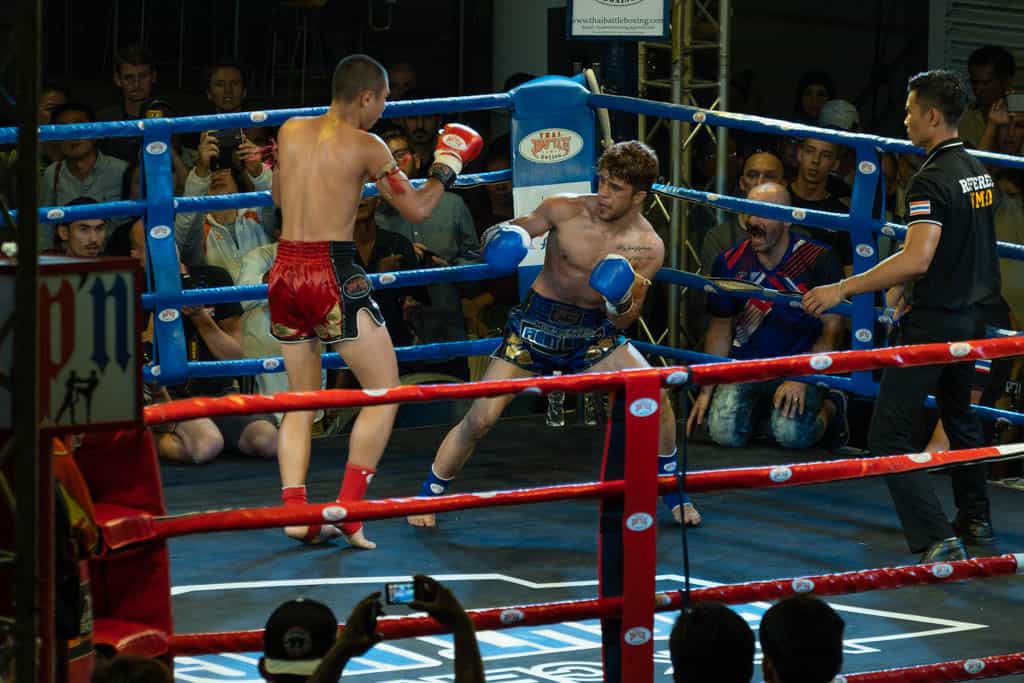
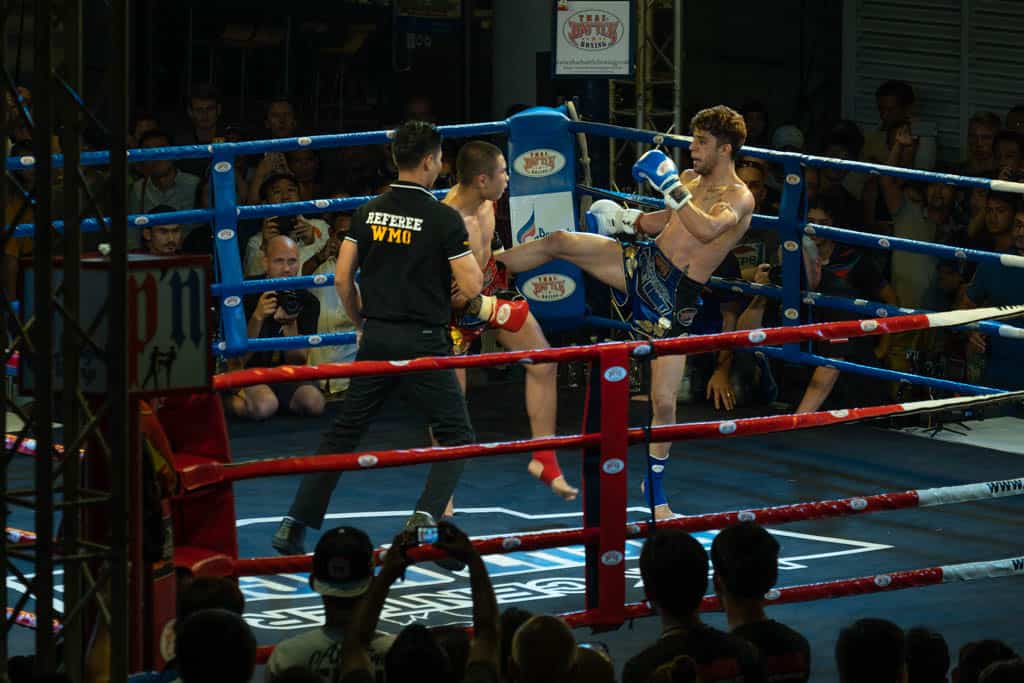
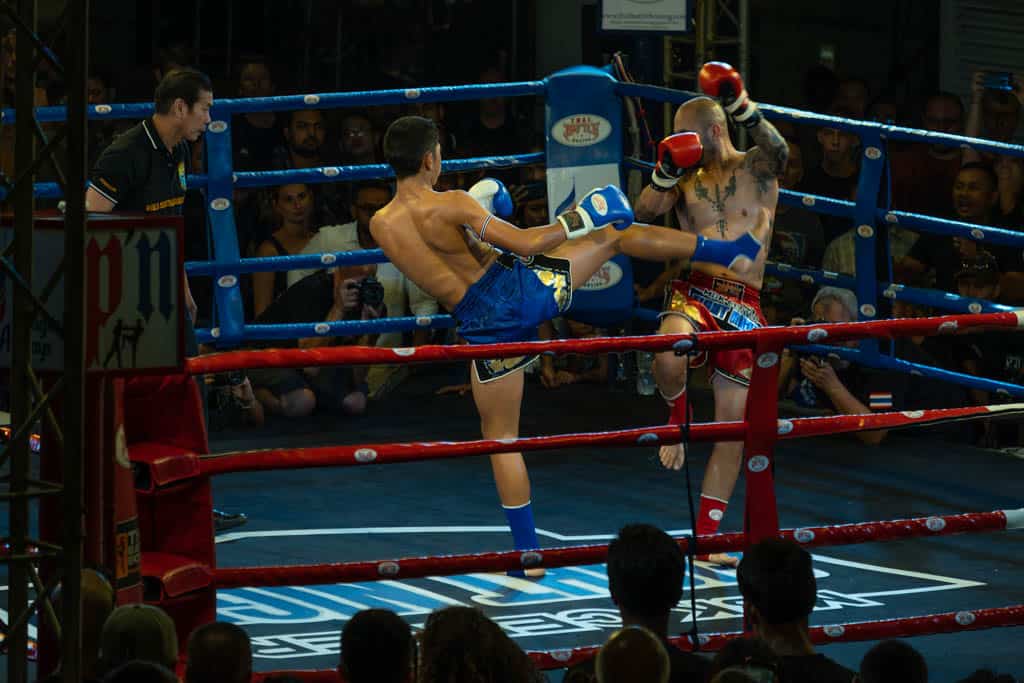
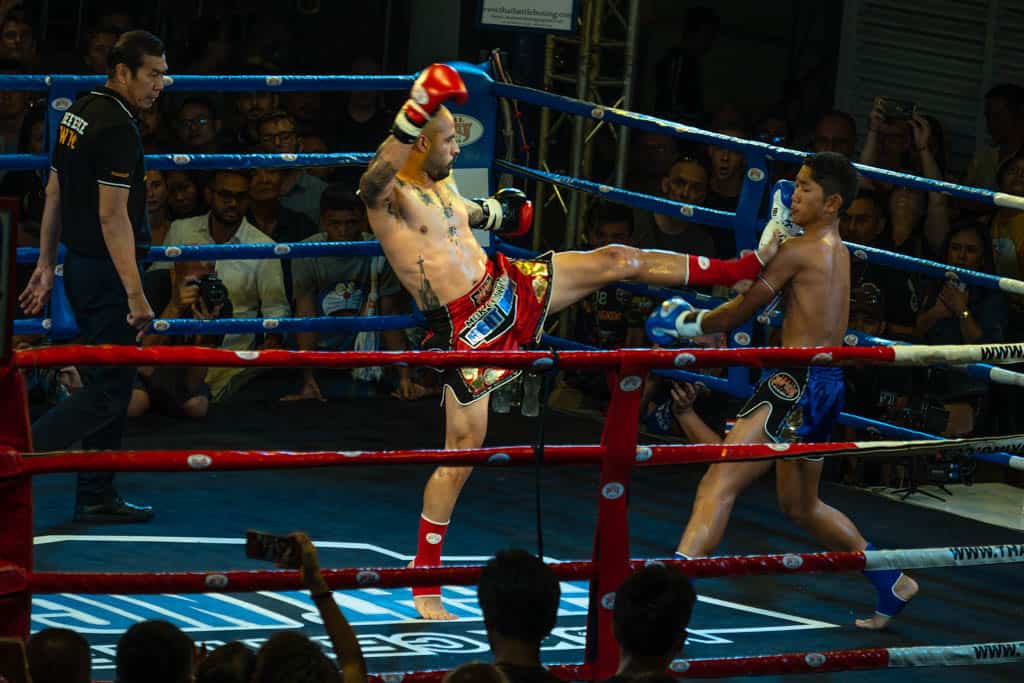
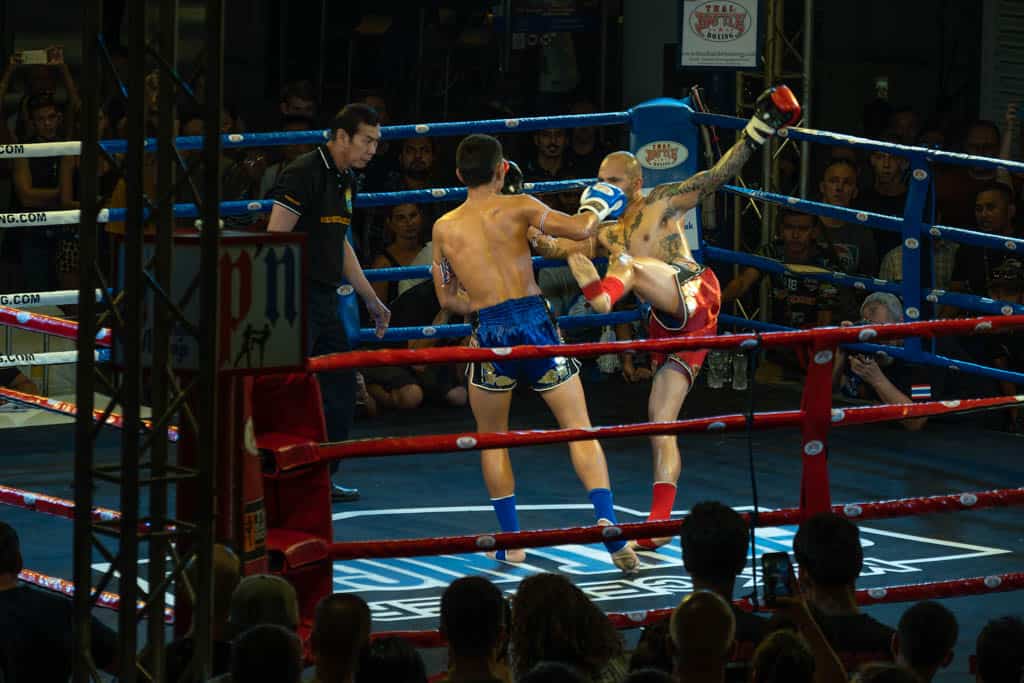
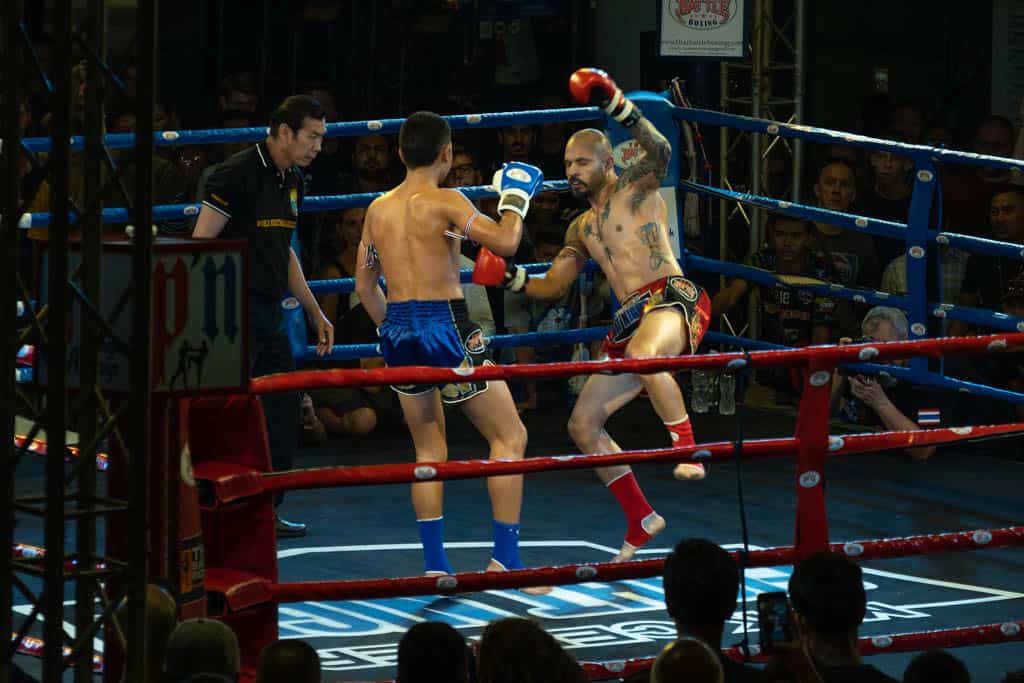
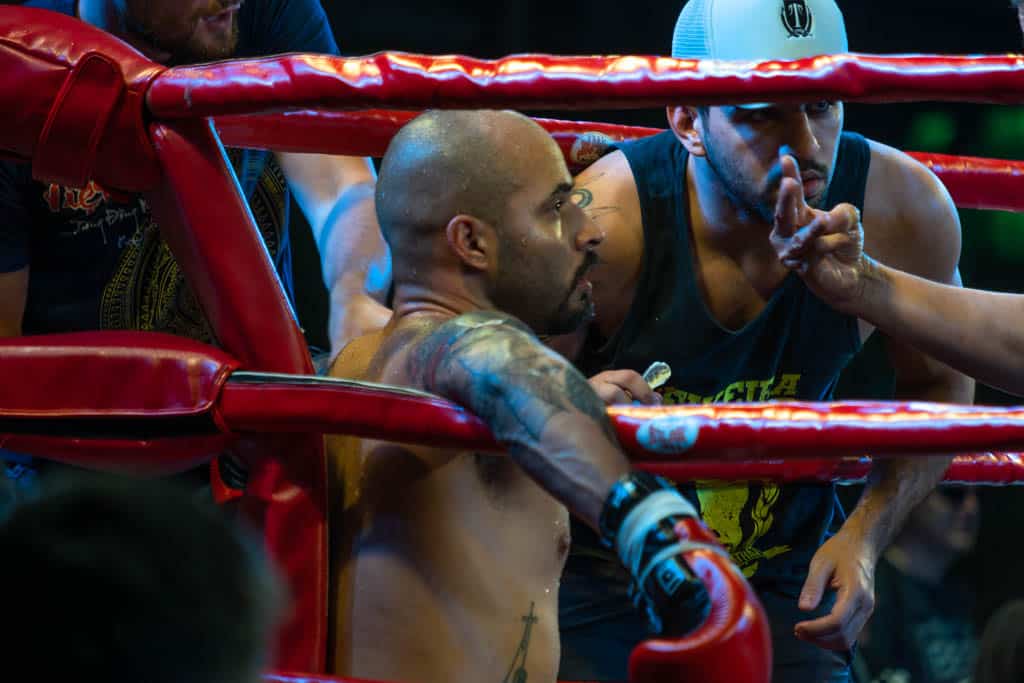
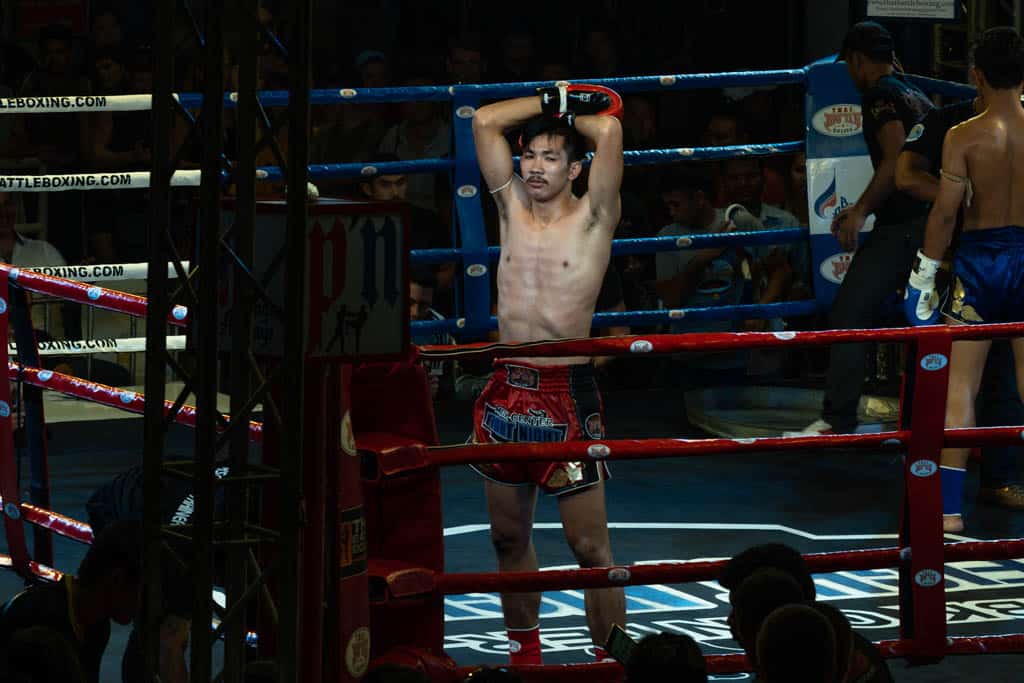
Muay Thai or Thai boxing is a combat sport of Thailand that uses stand-up striking and various clinching techniques.
In Western boxing, the two fighters are separated when they clinch; in Muay Thai, they are not. It is often in the clinch where knee and elbow techniques are used.
It is known as the “art of eight limbs” as it is characterized by the combined use of fists, elbows, knees, and shins. as opposed to “two points” (fists) in boxing and “four points” (hands and feet) used in other more regulated combat sports, such as kickboxing and savate.
Muay Thai started to become widespread internationally in the 20th century. It became enterainment in Thai restaurants, such as the Busabong in London.
The history of Muay Thai can be traced to the middle of the 18th century. During the battles between the Burmese of the Konbaung Dynasty and Siam, the famous fighter Nai Khanomtom was captured in 1767. The Burmese knew of his expertise in hand-to-hand combat and gave him a chance to fight for his freedom. Nai Khanomtom knocked out ten consecutive Burmese opponents. Impressed by his skill, the Burmese freed and allowed him to return to Siam.
He was acknowledged as a hero, and his fighting style became known as Siamese-Style boxing, later known as Muay Thai. Muay Thai soon became recognized as a national sport. Spectators went to watch. Contests gradually became part of local festivals and celebrations, especially those at temples.
The previously bare-fisted fighters started wearing lengths of hemp rope around their hands and forearms. A practitioner of Muay Thai is known as a Nak Muay. Western practitioners are called Nak Muay Farang, meaning “foreign boxer”.
King Chulalongkorn (Rama V) ascended to the throne in 1868 and introduced a golden age for Muay Thai. The king had a personal interest in the sport.
Most professional Thai boxers come from the lower economic backgrounds, and the fight money (after the other parties get their cut) is their sole means of support and their families.
Due to the rigorous training (some Thai boxers fight almost every other week) professional boxers in Thailand have relatively short careers. Many retire from competition and teach the next generation of Thai fighters.
A grassroots initiative to harness the power of technology to better lives has transformed a sleepy hamlet in Indonesia into a cyber village, catching the attention of Facebook’s Mark Zuckerberg.
Click here to read the whole article Wanderlust Indonesia Cyber Heart published in Travel360, Air Asia’s in flight magazine, October 2018: